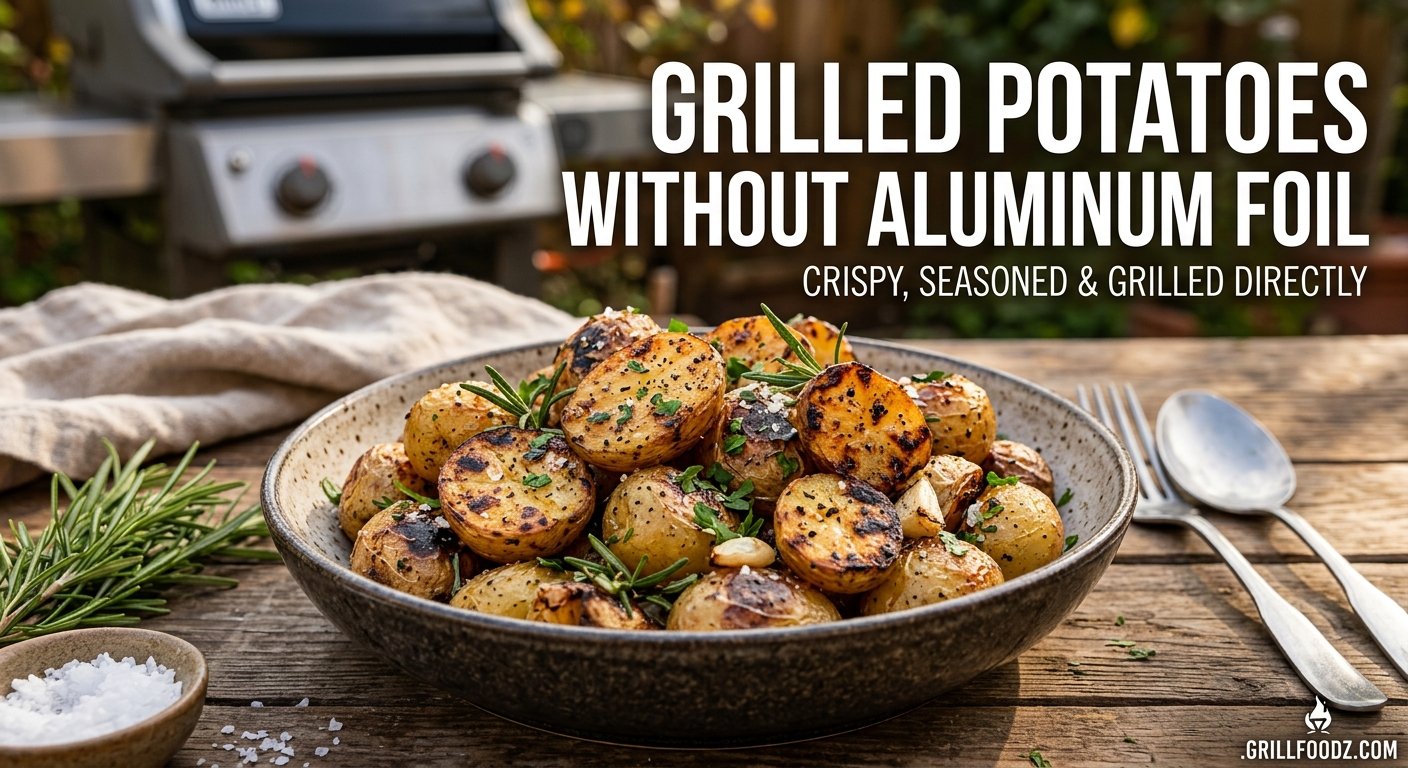
Grilled Potatoes Without Aluminum Foil: Easy, Crispy, and Flavorful
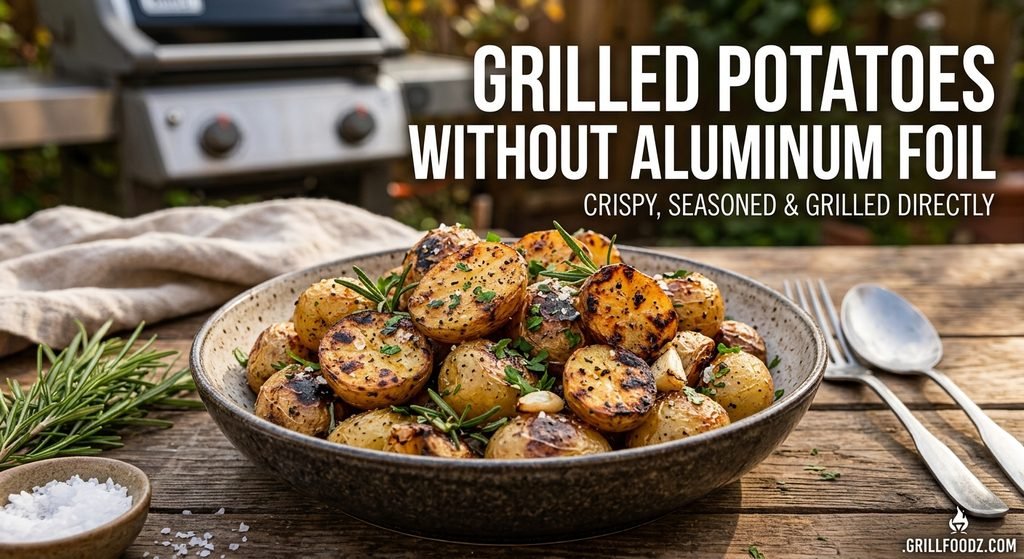
Grilled potatoes without aluminum foil are an easy and delicious side dish that you can prepare for summer barbecues, family dinners, or a simple weeknight meal. When cooked directly on the grill, potatoes develop beautifully browned edges, a tender center, and a smoky flavor that makes them hard to resist. The best part is that you do not need aluminum foil or any special equipment to make them taste amazing.
Whether you prefer crispy potato wedges, golden grilled potato slices, or seasoned baby potatoes, this recipe gives you everything you need to get excellent results. With a little olive oil, a few pantry spices, and the right grilling technique, you can prepare flavorful potatoes that everyone at the table will enjoy.
In this guide, you will learn how to grill potatoes without aluminum foil, which potatoes work best, how to prevent sticking, and how to achieve a crispy exterior without drying out the inside.
Why Make Grilled Potatoes Without Aluminum Foil?
Grilling potatoes without foil is a simple cooking method that allows the potatoes to develop a more roasted, smoky flavor. Instead of steaming inside a foil packet, the potatoes cook directly against the hot grill grates or on a grill-safe surface.
This direct contact helps create the browned edges and lightly charred spots that make grilled potatoes so delicious.
There are several reasons to try this method.
Better browning: Direct grilling encourages golden, crispy surfaces that are difficult to achieve when potatoes are completely enclosed in foil.
Smoky flavor: Potatoes absorb some of the delicious aroma produced during grilling, making them a perfect match for grilled chicken, burgers, steak, and vegetables.
Fewer cooking materials: You can prepare the recipe without aluminum foil, making it a convenient option when you want to simplify your grilling routine.
Easy cleanup: A well-oiled grill basket or grill-safe pan can make cleanup manageable without creating disposable foil packets.
Flexible seasoning: Potatoes work with many different herbs, spices, and sauces, so you can easily adjust the flavor to match your main dish.
The key is to prepare the potatoes properly before placing them on the grill. Since potatoes are naturally firm, cutting them into suitable pieces and partially cooking thicker cuts can help them cook evenly.
Ingredients for Grilled Potatoes Without Aluminum Foil
You only need a handful of everyday ingredients to make this easy grilled potato recipe.
Ingredients
- 1 1/2 pounds potatoes
- 2 tablespoons olive oil
- 1 teaspoon garlic powder
- 1 teaspoon paprika
- 1/2 teaspoon onion powder
- 1/2 teaspoon salt, or to taste
- 1/4 teaspoon freshly ground black pepper
- 1 teaspoon dried Italian seasoning
- 1 tablespoon chopped fresh parsley, optional
These ingredients create a savory, lightly smoky seasoning that complements the natural flavor of the potatoes.
You can use baby potatoes, Yukon Gold potatoes, red potatoes, or russet potatoes. Each variety has a slightly different texture, so your choice depends on whether you prefer creamy centers or fluffy interiors.
Olive oil helps the seasonings stick to the potatoes and encourages browning. Garlic powder, paprika, onion powder, and dried herbs provide plenty of flavor without requiring a complicated marinade.
If you do not have Italian seasoning, use dried oregano or thyme instead.
Which Potatoes Are Best for Grilling?
Choosing the right potatoes makes a noticeable difference in the finished dish.
Baby Potatoes
Baby potatoes are an excellent choice because they are small, easy to prepare, and naturally creamy. Cut them in half lengthwise so the flat sides can develop a golden crust.
Smaller potatoes may cook relatively quickly, but their cooking time still depends on their size and the temperature of your grill.
Yukon Gold Potatoes
Yukon Gold potatoes have a buttery flavor and a creamy texture. They hold their shape well when sliced into thick rounds or wedges.
They are particularly good if you want potatoes with a soft center and lightly crisp exterior.
Red Potatoes
Red potatoes have thin skins and firm flesh. They are ideal for grilling because they hold together well and are less likely to fall apart when handled.
You can cut them into halves, quarters, or thick slices, depending on their size.
Russet Potatoes
Russet potatoes are starchier and develop a fluffy interior when cooked. They are a good option for thick wedges, although they may break more easily if they are overcooked or handled roughly.
For beginners, baby potatoes or Yukon Gold potatoes are particularly easy to work with.
How to Grill Potatoes Without Aluminum Foil
Follow these simple steps to prepare delicious grilled potatoes without using foil.
Step 1: Wash and Cut the Potatoes
Wash the potatoes thoroughly under running water and scrub away any dirt. You can leave the skins on because they add texture and help the pieces hold their shape.
Cut the potatoes into evenly sized pieces.
For baby potatoes, cut them in half. For medium potatoes, make thick wedges or slices approximately 1/2 inch thick.
Try to keep the pieces similar in size so they finish cooking at approximately the same time.
If you are using large russet potatoes or thick wedges, consider partially cooking them before grilling. This helps the centers become tender without requiring the outside to remain on the grill for too long.
Step 2: Parboil the Potatoes if Needed
Parboiling is optional for small potato halves and thin slices, but it is helpful for larger pieces.
Place the cut potatoes in a saucepan, cover them with water, and bring the water to a boil. Cook until the outside begins to soften while the centers remain firm.
Depending on the size of the pieces, this may take around 5–8 minutes.
Drain the potatoes carefully and allow the excess moisture to evaporate. Pat them dry with a clean kitchen towel.
Dry potatoes brown more effectively than wet ones, so do not skip this step when aiming for crispy grilled potatoes.
Step 3: Season the Potatoes
Place the potatoes in a large bowl.
Add the olive oil, garlic powder, paprika, onion powder, salt, black pepper, and Italian seasoning.
Toss everything together until the potatoes are evenly coated.
Make sure the oil and seasonings cover the cut surfaces as well as the skins. This helps the potatoes develop a flavorful crust while cooking.
For extra flavor, add a little cayenne pepper if you enjoy spicy food.
Step 4: Preheat the Grill
Preheat your grill to medium heat, approximately 375–425°F (190–220°C).
Clean the grill grates before cooking. Food residue can cause potatoes to stick, especially when they have not developed a crust yet.
Lightly oil the clean grates using a suitable method recommended for your grill. You can also use a grill basket or grill-safe perforated pan to make handling smaller pieces easier.
Avoid pouring oil directly onto an open flame.
Step 5: Place the Potatoes on the Grill
Arrange the potatoes on the grill in a single layer.
For slices and wedges, place a flat cut surface against the grates whenever possible. This creates better contact and helps develop a golden-brown crust.
Leave a little space between the pieces so heat can circulate around them.
If you are grilling small baby potatoes, a grill basket is a practical alternative to placing each piece directly on the grates.
Step 6: Grill Until Golden and Tender
Close the grill lid and cook the potatoes, turning them occasionally.
Thin slices may take approximately 15–20 minutes, while larger wedges or potato halves can take around 20–30 minutes or longer.
These times are estimates rather than guarantees. The actual cooking time depends on the potato variety, the thickness of the pieces, whether they were parboiled, and your grill’s temperature.
Turn the potatoes when the undersides have browned and they release relatively easily from the grates. Moving them too early can tear the surface and cause sticking.
The potatoes are ready when they have browned edges and a fork slides easily into the thickest part.
Step 7: Add the Finishing Touches
Transfer the cooked potatoes to a serving plate.
Sprinkle with fresh parsley and, if desired, a little extra black pepper.
You can also add freshly grated Parmesan cheese, chopped chives, or a squeeze of lemon juice.
Serve the potatoes while they are hot for the best texture.
Tips for Crispy Grilled Potatoes Without Foil
If you want golden, flavorful potatoes instead of soft or soggy pieces, a few simple techniques can make a big difference.
1. Dry the Potatoes Thoroughly
Moisture on the surface can interfere with browning. After washing or parboiling, dry the potatoes before adding oil and seasonings.
This is especially important if you want crisp edges.
2. Avoid Cutting the Pieces Too Thick
Thick potatoes take longer to cook and may brown on the outside before becoming tender inside.
Cutting them into even slices or wedges helps them cook more consistently.
For larger pieces, parboiling is a useful shortcut.
3. Preheat the Grill Properly
A properly heated grill helps potatoes develop a crust rather than slowly softening.
Medium heat is a good starting point because excessively high heat may burn the outside before the center is cooked.
4. Do Not Turn Them Too Soon
Potatoes can stick when they first touch the grill. As their surfaces brown, they often release more easily.
Give them time to develop a crust before turning them with a thin spatula or suitable grilling tongs.
5. Use Enough Oil, but Do Not Overdo It
A light coating of olive oil helps with browning and seasoning. Too much oil can cause flare-ups and make the potatoes greasy.
Toss the potatoes thoroughly rather than pouring large amounts of oil over them.
6. Use a Grill Basket for Small Pieces
A grill basket keeps baby potatoes and smaller chunks from slipping between the grates.
It also makes it easier to turn several pieces at once, especially when cooking for a family gathering.
7. Leave Space Between the Potatoes
Crowding the grill can prevent even browning. Cook in batches if necessary rather than piling the potatoes on top of one another.
Can You Grill Potatoes Without Foil and Without Parboiling?
Yes, you can grill potatoes without aluminum foil and without parboiling them.
The easiest way is to cut them into thin slices or small wedges. Smaller pieces cook more quickly than large potato halves, making direct grilling practical.
Follow these steps:
- Wash and slice the potatoes evenly.
- Pat them dry with a clean towel.
- Toss them with olive oil and your preferred seasonings.
- Place them on a preheated grill over medium heat.
- Turn them periodically until browned and fork-tender.
Thin slices generally need around 15–20 minutes, but thicker pieces can take longer.
If you prefer thick wedges or whole baby potatoes, parboiling is often worth the extra effort. It shortens the time needed on the grill and reduces the risk of burnt outsides and undercooked centers.
How to Prevent Potatoes from Sticking to the Grill
Sticking is one of the most common problems when grilling potatoes without foil.
Fortunately, several easy adjustments can help.
First, clean the grill grates thoroughly before cooking. Old food residue can cause the potato surfaces to catch.
Second, preheat the grill before adding the potatoes. Placing them on cold grates increases the likelihood of sticking.
Third, lightly coat the potatoes with oil and make sure the cooking surface is suitable for grilling.
Finally, avoid moving the potatoes repeatedly. Let the first side brown before attempting to turn each piece.
If your grill grates are widely spaced or you are working with very small potato pieces, choose a grill basket or perforated grill pan. These options still allow the potatoes to cook without aluminum foil.
Flavor Variations to Try
One of the best things about grilled potatoes is how easily you can change their flavor.
Garlic and Herb Grilled Potatoes
Use olive oil, garlic powder, dried rosemary, thyme, black pepper, and salt.
This combination is ideal for serving alongside grilled chicken, roasted vegetables, or fish.
Spicy Grilled Potatoes
Add cayenne pepper, smoked paprika, garlic powder, and a small amount of chili powder.
Adjust the heat to your preference. These potatoes pair well with burgers, sandwiches, and grilled meats.
Lemon Pepper Potatoes
Season the potatoes with olive oil, black pepper, garlic powder, and lemon zest.
After grilling, add a small squeeze of fresh lemon juice for a bright, refreshing flavor.
Parmesan Grilled Potatoes
Prepare the potatoes using the basic recipe. During the final few minutes of cooking, add a small amount of finely grated Parmesan to the top of the potatoes on a grill-safe pan or basket.
Watch carefully because cheese can burn if exposed to excessive direct heat.
Cajun-Style Grilled Potatoes
Use a Cajun seasoning blend with paprika, garlic powder, onion powder, black pepper, and a little cayenne.
Check the salt level of your seasoning blend before adding extra salt.
What to Serve with Grilled Potatoes
Grilled potatoes without aluminum foil are versatile enough to accompany many meals.
Grilled chicken: Serve them with grilled chicken breast or thighs for a satisfying barbecue dinner.
Burgers: Their crispy edges make them an excellent alternative to traditional French fries.
Steak: Garlic and herb potatoes complement grilled steak and other savory main dishes.
Fish: Lemon pepper potatoes pair especially well with grilled fish or salmon.
Grilled vegetables: Combine the potatoes with zucchini, bell peppers, onions, and mushrooms for a colorful vegetarian meal.
Chicken skewers: Seasoned potatoes make a hearty side dish for chicken kebabs or vegetable skewers.
For a simple meal, serve the potatoes with a fresh green salad and your favorite dipping sauce.
Common Mistakes to Avoid
Even a simple potato recipe can become frustrating if you overlook a few details.
Using uneven pieces: Large chunks may remain firm inside while smaller pieces become overcooked. Keep the cuts consistent.
Skipping the preheating step: A cold grill makes it harder to develop a browned surface.
Cooking over excessive heat: High heat can burn the skins before the centers become tender. Start with medium heat and adjust as needed.
Using wet potatoes: Excess surface moisture makes browning more difficult.
Turning the potatoes too frequently: Constant movement can prevent a good crust from forming.
Ignoring doneness: Do not rely on color alone. Test the thickest potato piece with a fork to ensure the center is tender.
Overcrowding the grill: Too many pieces close together can lead to uneven cooking and less browning.
Avoiding these mistakes will help you prepare more consistent results every time you make grilled potatoes.
How to Store and Reheat Leftover Grilled Potatoes
If you have leftover grilled potatoes, let them cool slightly before transferring them to an airtight container.
Refrigerate them within two hours of cooking, or sooner in very hot conditions. Store at 40°F (4°C) or below and use within 3–4 days.
For the best texture, reheat the potatoes in an oven or air fryer at approximately 375°F (190°C) until heated through. The exact time depends on the size of the pieces and the appliance.
You can also reheat them in a skillet over medium heat with a small amount of oil.
A microwave works when convenience matters most, although it may soften the crispy exterior.
Avoid leaving cooked potatoes at room temperature for extended periods.
Frequently Asked Questions
Can you grill potatoes directly on the grill without foil?
Yes. You can grill potatoes directly on clean, preheated grates, provided the pieces are large enough to handle safely. Potato slices, thick wedges, and halved baby potatoes work well. A grill basket is useful for smaller pieces.
How long do potatoes take to grill without aluminum foil?
Thin slices generally take around 15–20 minutes, while thicker wedges and halves may take 20–30 minutes or longer. Cooking time varies with the grill temperature, potato size, and whether the potatoes have been parboiled.
Do you need to boil potatoes before grilling?
No, boiling is not always necessary. Thin slices and small pieces can cook directly on the grill. Parboiling helps larger wedges and halves become tender without burning on the outside.
What temperature is best for grilling potatoes?
A medium grill temperature of approximately 375–425°F (190–220°C) is a useful starting point. Adjust the heat if the potatoes brown too quickly or need additional time to soften.
How do you keep grilled potatoes from falling through the grates?
Cut the potatoes into pieces large enough to remain securely on the grates. Alternatively, use a grill basket or perforated grill-safe pan.
Can you make grilled potatoes without oil?
Yes, although oil helps the potatoes brown and reduces sticking. Without oil, use a clean, suitable grill surface or grill basket and monitor the potatoes carefully. The finished texture may be drier and less crispy.
Are grilled potatoes healthy?
Potatoes provide carbohydrates, potassium, and other nutrients. Grilling them with a moderate amount of oil can be part of a balanced meal. The overall nutritional value depends on portion size, added ingredients, and what you serve alongside them.
Can you prepare the potatoes ahead of time?
Yes. You can wash, cut, and refrigerate the potatoes in advance. If you parboil them, cool them promptly, refrigerate them in a covered container, and grill them within a day or two for best quality. Pat them dry and season them shortly before grilling.
Final Thoughts
Grilled potatoes without aluminum foil are an easy way to enjoy a flavorful side dish with golden edges, tender centers, and a delicious smoky taste. With the right potatoes, a simple seasoning mixture, and a properly heated grill, you can create a satisfying dish without relying on foil packets.
Remember to cut the potatoes evenly, dry them thoroughly, use a moderate amount of oil, and allow their surfaces to brown before turning them. Parboiling can make thicker pieces easier to cook, while a grill basket is helpful for smaller potatoes.
Try the basic garlic and herb seasoning first, then experiment with spicy Cajun flavors, lemon pepper, or Parmesan. Serve your grilled potatoes with chicken, burgers, steak, fish, or grilled vegetables for an easy meal that works throughout the year.
Once you learn the technique, this simple recipe can become one of your favorite ways to cook potatoes outdoors.