Homemade BBQ Chicken Rub Without Sugar: Easy, Smoky, and Flavorful
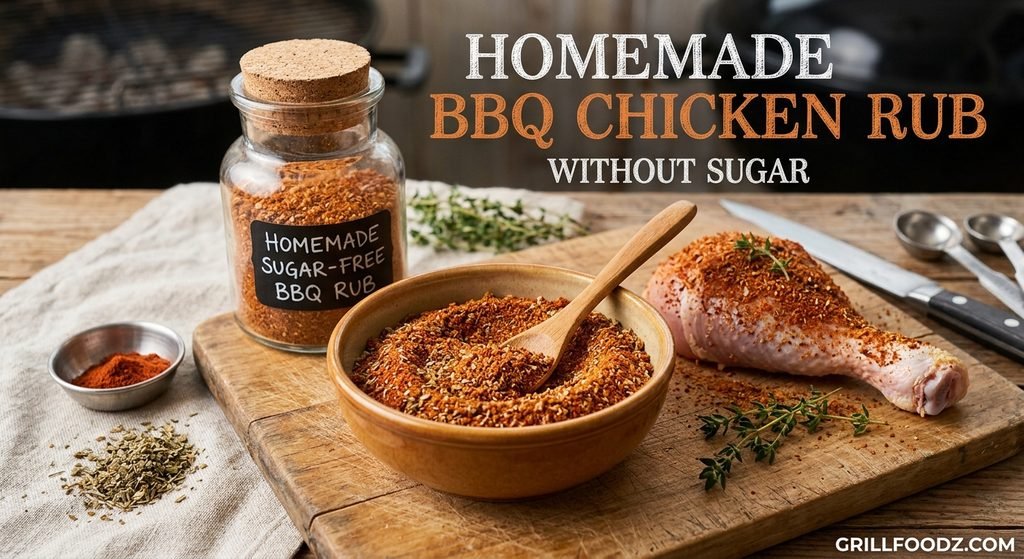
If you love barbecue chicken but want to avoid added sugar, this homemade BBQ chicken rub without sugar is an easy way to bring bold, smoky flavor to your favorite chicken recipes. Made with simple pantry spices, this sugar-free barbecue seasoning creates delicious chicken without relying on brown sugar, white sugar, honey, or other sweeteners.
The best part is that you can prepare this homemade BBQ chicken rub in just a few minutes. There is no special equipment, complicated preparation, or expensive ingredient list. You only need a handful of everyday spices to make a seasoning blend that works beautifully on chicken breasts, thighs, drumsticks, wings, and even whole roasted chicken.
Whether you are preparing a quick weeknight dinner, cooking chicken on an outdoor grill, or making barbecue chicken in your oven, this easy seasoning recipe delivers plenty of flavor. You can also adjust the spice levels to suit your taste, making it mild, smoky, savory, or slightly spicy.
In this guide, you will learn how to make homemade BBQ chicken rub without sugar, which ingredients work best, how to use the seasoning, and how to store it for future meals.
What Is Homemade BBQ Chicken Rub Without Sugar?
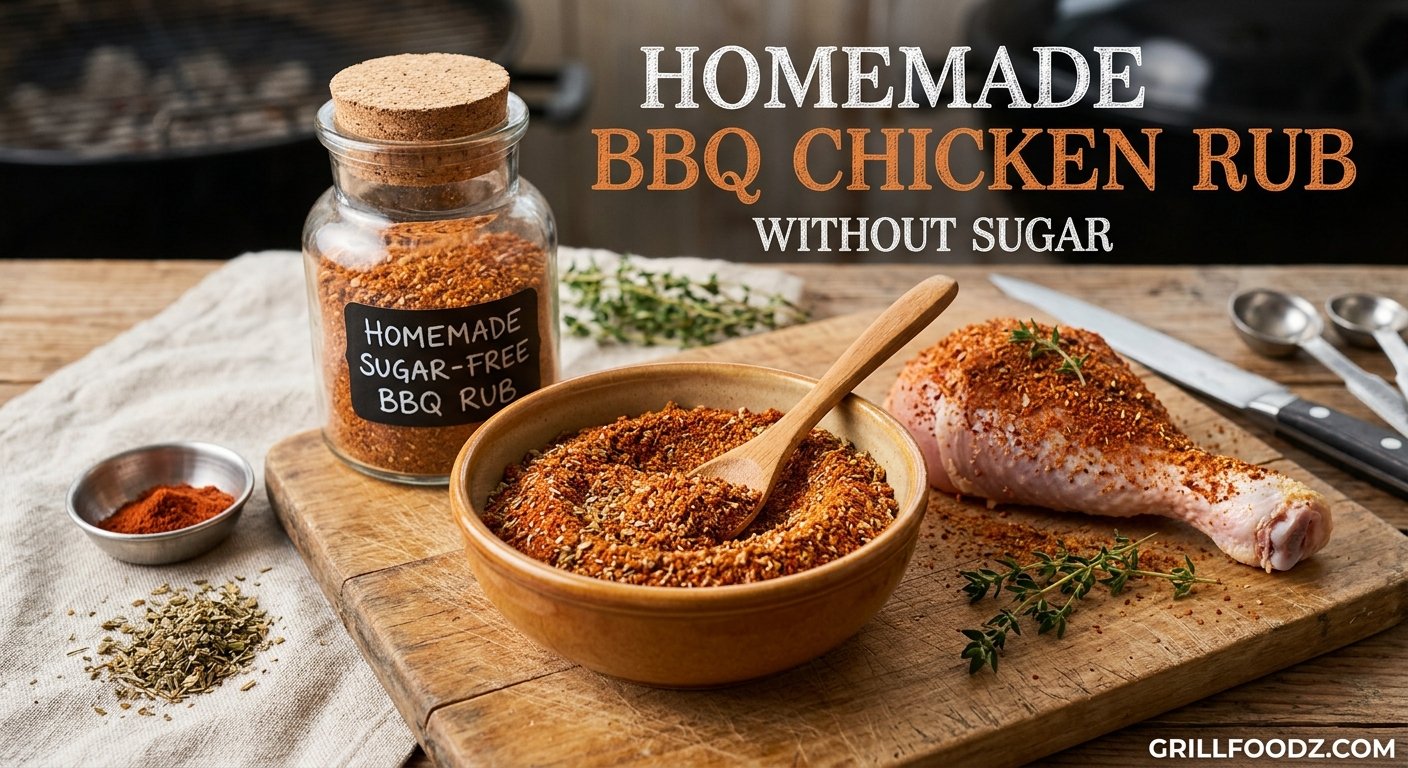
Homemade BBQ chicken rub without sugar is a dry seasoning blend made from spices and herbs commonly used in barbecue cooking. Unlike many traditional barbecue rubs, this version does not contain added sugar or sweeteners.
Traditional barbecue seasonings often include brown sugar because it adds sweetness and helps create a caramelized coating during cooking. However, sugar is not necessary for flavorful barbecue chicken. Ingredients such as smoked paprika, garlic powder, onion powder, black pepper, and chili powder provide plenty of depth and character.
A sugar-free BBQ chicken rub is especially useful when you want to control the ingredients in your meals. Making your own seasoning also allows you to adjust the salt, heat, and smoky flavor according to your preferences.
You can prepare a small batch for one dinner or make a larger quantity to keep in your spice cabinet. Once you try this simple homemade blend, it may become one of your favorite seasonings for everyday chicken recipes.
Why You Will Love This Sugar-Free BBQ Chicken Rub
There are several reasons to keep this homemade barbecue seasoning in your kitchen.
No added sugar: This recipe skips white sugar, brown sugar, honey, and other sweeteners while keeping the flavor bold and savory.
Simple pantry ingredients: Most of the spices are common kitchen staples, so you probably will not need to buy many new ingredients.
Quick preparation: The entire seasoning blend takes approximately five minutes to prepare.
Versatile seasoning: Use it for grilled chicken, oven-baked chicken, air fryer chicken, roasted drumsticks, or skillet-cooked chicken.
Easy to customize: Add cayenne pepper for extra heat, increase the smoked paprika for a deeper smoky taste, or reduce the black pepper for a milder blend.
Budget-friendly: Homemade seasoning can be more economical than purchasing specialty barbecue rubs, especially when you already have the spices available.
Another advantage is that you know exactly what goes into your seasoning. You can avoid unnecessary sweeteners and adjust the salt to suit your cooking needs.
Ingredients for Homemade BBQ Chicken Rub Without Sugar
This recipe uses straightforward ingredients that combine to create a smoky, savory barbecue flavor.
Ingredients
- 2 tablespoons smoked paprika
- 1 tablespoon garlic powder
- 1 tablespoon onion powder
- 2 teaspoons chili powder
- 2 teaspoons ground black pepper
- 1 teaspoon salt
- 1 teaspoon dried oregano
- 1 teaspoon ground mustard
- 1/2 teaspoon cayenne pepper, optional
Each ingredient contributes something different to the final seasoning.
Smoked Paprika
Smoked paprika is one of the most important ingredients in this sugar-free BBQ chicken rub. It adds a warm, smoky flavor and gives the chicken an attractive reddish color.
If you do not have smoked paprika, regular paprika can work. However, the seasoning will have a milder smoky character.
Garlic Powder
Garlic powder gives the rub a savory taste that works well with almost every cut of chicken. It distributes easily throughout the seasoning and helps create a balanced barbecue flavor.
Garlic powder is generally more convenient than fresh garlic for a dry rub because it mixes evenly with the other spices.
Onion Powder
Onion powder adds a subtle sweetness and savory depth without requiring actual sugar. It also complements the garlic and paprika, helping the seasoning taste more rounded.
Chili Powder
Chili powder adds warmth and complexity. Depending on the variety you use, it may also contribute mild heat and earthy notes.
If you prefer a very mild seasoning, use a little less chili powder.
Black Pepper
Ground black pepper provides a gentle bite that balances the smoky paprika and savory spices.
Freshly ground pepper can give the rub a slightly stronger aroma, but ordinary pre-ground black pepper works perfectly well.
Salt
Salt enhances the flavor of the chicken and helps the spices taste more pronounced.
If you are watching your sodium intake, you can reduce the salt or leave it out and season the chicken separately.
Dried Oregano
Dried oregano adds a light herbal note that complements the smoky spices. You can substitute dried thyme if that is what you have available.
Ground Mustard
Ground mustard contributes a subtle tangy flavor. It helps make the seasoning taste more like a traditional barbecue blend without adding sweetness.
Cayenne Pepper
Cayenne pepper is optional. It adds extra heat and works particularly well when you want spicy BBQ chicken wings or drumsticks.
For a family-friendly seasoning, start with a small amount or omit it completely.
How to Make Homemade BBQ Chicken Rub Without Sugar
Preparing this sugar-free barbecue seasoning is simple. You do not need to cook the spices or use a blender.
Step 1: Gather Your Ingredients
Measure all the spices before mixing them. This makes the preparation easier and helps you maintain a balanced flavor.
Make sure your measuring spoons are dry and clean. Moisture can cause the seasoning to clump during storage.
Step 2: Combine the Spices
Add the smoked paprika, garlic powder, onion powder, chili powder, black pepper, salt, oregano, ground mustard, and optional cayenne pepper to a small bowl.
Use a spoon or small whisk to mix everything thoroughly.
Pay particular attention to the paprika and garlic powder, which can form small clumps. Break them apart so that the seasoning has a consistent texture.
Step 3: Taste and Adjust
Although you should not taste raw chicken seasoning after it has touched raw meat, you can taste a tiny amount of the dry blend before using it.
If you want a smokier flavor, add a little more smoked paprika. For a stronger peppery taste, increase the black pepper. If you enjoy spicy food, add a small amount of cayenne.
Remember that the saltiness will become more noticeable when the seasoning is used on a smaller quantity of chicken.
Step 4: Transfer to a Storage Jar
Pour the finished rub into a clean, completely dry, airtight jar or spice container.
Label the container with the name of the seasoning and the preparation date. This helps you keep track of freshness, especially if you prepare several homemade spice blends.
Your homemade BBQ chicken rub without sugar is now ready to use.
How to Use Sugar-Free BBQ Chicken Rub on Chicken
A good dry rub is easy to use, but applying it correctly can make a noticeable difference in the final dish.
Start with approximately 1 to 2 tablespoons of seasoning per pound of chicken, depending on the cut, the surface area, and how strongly seasoned you like your food.
Prepare the Chicken
Pat the chicken dry with paper towels before adding the seasoning. Removing excess surface moisture helps the spices adhere more evenly and encourages better browning during cooking.
You can use boneless chicken breasts, thighs, drumsticks, wings, or bone-in chicken pieces.
Add a Little Oil if Needed
For grilling, roasting, or air frying, lightly coat the chicken with olive oil or another cooking oil if desired.
The oil helps the rub stick to the surface and supports browning. You do not need much; a thin coating is usually sufficient.
Apply the Rub Evenly
Sprinkle the seasoning over all sides of the chicken. Gently press it onto the surface instead of brushing it off.
For chicken pieces with skin, season both the exposed skin and any accessible areas underneath the skin if you want more flavor throughout.
Let the Seasoning Rest
You can cook the chicken immediately after applying the rub. However, allowing it to rest in the refrigerator for about 20 to 30 minutes can help the flavors distribute more evenly.
For longer preparation, refrigerate the seasoned chicken in a covered container. Always keep raw chicken refrigerated rather than leaving it on the counter.
Best Ways to Cook Chicken With This BBQ Rub
One of the best things about homemade BBQ chicken rub without sugar is its versatility. You can use the same seasoning with several cooking methods.
Grilled BBQ Chicken
Grilling gives the chicken a delicious roasted flavor and attractive grill marks.
Preheat your grill and lightly oil the grates if necessary. Place the seasoned chicken on the grill and cook it according to the cut and thickness, turning as needed.
Because this rub contains no added sugar, it is less prone to sugar-related burning than sweet barbecue rubs. Nevertheless, paprika and other spices can still scorch over excessive heat, so avoid unnecessarily high temperatures.
Use a food thermometer to check that the thickest part of the chicken reaches 165°F (74°C).
Oven-Baked BBQ Chicken
Oven-baked chicken is an excellent option when you do not have access to an outdoor grill.
Preheat the oven to 400°F (200°C). Arrange the seasoned chicken in a baking dish or on a lined baking sheet, leaving space between pieces when possible.
Bake until the chicken reaches an internal temperature of 165°F (74°C). Cooking time will depend on whether you use breasts, thighs, wings, or drumsticks.
For a more browned surface, you can briefly use the broiler near the end of cooking. Watch carefully to prevent the spices from burning.
Air Fryer BBQ Chicken
The air fryer is convenient when you want flavorful chicken with relatively little oil.
Arrange the seasoned chicken in a single layer in the air fryer basket. Avoid overcrowding, since good air circulation helps the chicken brown more evenly.
Cook at a suitable temperature for the particular cut and thickness, turning halfway through if needed. Check the internal temperature with a food thermometer before serving.
This method works especially well for smaller chicken pieces and wings.
Skillet BBQ Chicken
A skillet is useful for preparing quick meals on busy evenings.
Heat a small amount of oil in a skillet over medium heat. Add the seasoned chicken and cook until browned on the outside and cooked through in the center.
Thicker pieces may need to finish cooking over lower heat or with a lid on the pan. Always verify that the thickest portion reaches 165°F (74°C).
You can slice the cooked chicken and serve it over rice, add it to wraps, or use it in a simple chicken salad.
Tips for Making the Best Homemade BBQ Chicken Rub
A few small details can help you get the most from this seasoning blend.
Use fresh spices. Old spices can lose their aroma and flavor. If your paprika or garlic powder smells weak, replacing it may improve the final result.
Choose smoked paprika when possible. It creates a recognizable barbecue-style flavor without needing a smoker or grill.
Adjust the heat level. Cayenne is optional, and you can easily make the seasoning milder or spicier.
Do not over-season. Too much seasoning can overpower the natural flavor of the chicken. Start with a moderate amount and adjust for future batches.
Keep moisture away. Always use a dry spoon when taking seasoning from the storage jar.
Avoid cross-contamination. Place the amount you need in a separate bowl before handling raw chicken. Do not return leftover seasoning that has touched raw meat to the storage container.
Use a thermometer. Chicken should reach an internal temperature of 165°F (74°C) for food safety. Color alone is not a reliable indicator of doneness.
Can You Make BBQ Chicken Rub Without Paprika?
Yes, although paprika contributes much of the color and smoky character of this recipe.
If you do not have paprika, you can make a substitute using garlic powder, onion powder, black pepper, chili powder, oregano, and ground mustard.
The result will still be flavorful, but it may taste sharper and look less red.
If you have regular paprika but not smoked paprika, use the regular variety and add a small amount of ground cumin if desired. Cumin provides an earthy flavor, although it does not completely replace the taste of smoked paprika.
You can also experiment with a small amount of ground coriander for a different flavor profile.
Is Homemade BBQ Chicken Rub Without Sugar Healthy?
Homemade sugar-free BBQ chicken rub can be a useful way to add flavor without adding sugar through the seasoning itself.
The ingredients are primarily dried spices and herbs. However, the nutritional value of the finished meal depends on the quantity of seasoning, the chicken cut, cooking oil, sauces, and side dishes.
For example, skinless chicken breast cooked with a small amount of oil will generally have a different nutritional profile from chicken wings served with a rich dipping sauce.
If you are trying to reduce added sugar, making your own rub gives you better control over the ingredients. Check the labels on packaged chili powder and other spice blends because some commercial products may contain added sugar, salt, or other ingredients.
Also, remember that a sugar-free dry rub does not automatically make a finished barbecue meal sugar-free. Bottled barbecue sauce, ketchup, and some marinades may contain added sugars.
For a completely sugar-free seasoning approach, use this rub with plain chicken and check the ingredient labels on any sauces you serve alongside it.
What to Serve With Sugar-Free BBQ Chicken
This seasoning pairs well with a variety of simple side dishes.
Roasted Potatoes
Cut potatoes into wedges, toss them with oil and your preferred seasonings, and roast until tender inside and golden outside.
Their mild flavor balances the smoky chicken.
Steamed or Roasted Vegetables
Broccoli, carrots, green beans, and cauliflower all work well with barbecue-seasoned chicken.
Roasting vegetables adds extra flavor without requiring a complicated recipe.
Rice
Plain rice, garlic rice, or vegetable rice can turn seasoned chicken into a satisfying meal.
You can slice grilled chicken and serve it over rice with a side of vegetables for an easy lunch or dinner.
Fresh Salad
A simple salad with lettuce, cucumber, tomatoes, and a light dressing adds freshness to a smoky main dish.
If you are avoiding added sugar, check the dressing label or prepare a homemade dressing using olive oil, lemon juice, and black pepper.
Homemade Wraps
Slice the cooked chicken and place it in a tortilla with lettuce, tomatoes, onions, and a yogurt-based sauce.
This is a practical way to use leftover BBQ chicken for lunch the following day.
How to Store Homemade BBQ Chicken Rub Without Sugar
Proper storage helps preserve the aroma and flavor of your homemade seasoning.
Transfer the finished rub to an airtight container and keep it in a cool, dry, dark place away from direct sunlight, heat, and steam.
Avoid storing the jar directly beside a hot stove or above a kettle, where moisture and heat can affect the spices.
For the best flavor, try to use the blend within about three to six months. It may remain usable longer if stored properly, but its aroma can gradually weaken.
Always inspect the seasoning before use. Discard it if you notice moisture, unusual odors, mold, or other signs of contamination.
Because this recipe contains no fresh ingredients, it does not need refrigeration when stored as a dry seasoning blend. However, once the rub has been mixed with oil or applied to raw chicken, different storage rules apply.
Keep seasoned raw chicken in the refrigerator and cook it within one to two days, or freeze it for longer storage.
Common Mistakes to Avoid
Even a simple dry rub can be less effective if you make a few common mistakes.
Adding Too Much Salt
Salt can quickly dominate the flavor, especially if your chili powder already contains salt. Start with the quantity in the recipe and adjust based on your ingredients.
Using Wet Spices or Containers
Moisture can cause clumps and reduce the quality of a stored seasoning blend. Make sure the bowl, jar, and measuring spoons are dry.
Cooking Over Excessive Heat
Although this rub has no added sugar, the spices can still burn. Use moderate heat and adjust the cooking method according to the thickness of the chicken.
Expecting a Sweet Barbecue Flavor
This recipe is designed to be smoky and savory rather than sweet. If you enjoy a traditional sweet barbecue taste, you may need a different sauce or seasoning approach.
You can still serve the chicken with a suitable barbecue sauce, but check the label if avoiding sugar is important to you.
Applying the Rub Unevenly
Concentrating all the seasoning on one side can create uneven flavor. Sprinkle it over every side and gently press it onto the chicken.
Frequently Asked Questions
1. Can I make BBQ chicken rub without brown sugar?
Yes. This recipe contains no brown sugar or white sugar. Smoked paprika, garlic powder, onion powder, chili powder, and black pepper create a flavorful seasoning without added sweeteners.
2. Does sugar-free BBQ rub taste good?
Absolutely. A good barbecue rub does not need sugar to taste delicious. Smoked paprika provides depth, garlic and onion powder add savory flavor, and black pepper and chili powder contribute warmth.
The flavor is more savory than a traditional sweet barbecue rub, which makes it especially suitable for people who prefer less sweetness.
3. How much BBQ rub should I use per pound of chicken?
Start with approximately 1 to 2 tablespoons per pound of chicken. The ideal quantity depends on the cut, the size of the pieces, and your taste preferences.
Use less if your seasoning contains a high proportion of salt.
4. Can I use this rub on chicken wings?
Yes. This homemade BBQ chicken rub works very well on wings. Coat the wings evenly and cook them in the oven, air fryer, or on the grill until they reach an internal temperature of 165°F (74°C).
For crispier wings, dry the skin thoroughly before seasoning and avoid overcrowding the cooking surface.
5. Can I use the rub for chicken breasts?
Yes. The seasoning works with boneless and bone-in chicken breasts. Since chicken breast can dry out when overcooked, monitor its internal temperature and remove it from the heat when it reaches 165°F (74°C).
Allow the cooked chicken to rest briefly before slicing.
6. Is this BBQ chicken rub keto-friendly?
The recipe contains no added sugar and uses small quantities of dried spices, making it compatible with many low-carbohydrate meal plans.
However, suitability for a particular diet depends on portion sizes, the ingredients in your spice brands, and what else you serve with the chicken. Check product labels if you follow a strict dietary plan.
7. Can I prepare this seasoning in advance?
Yes. You can prepare the seasoning several weeks in advance and store it in an airtight container in a cool, dry place.
Making it ahead is convenient for quick dinners because the seasoning is ready whenever you need it.
8. Can I use regular paprika instead of smoked paprika?
Yes. Regular paprika provides color and mild pepper flavor, but it will not create the same smoky taste. If possible, smoked paprika is the better choice for a barbecue-style rub.
9. Can I make this rub without salt?
Yes. Simply omit the salt. You can season the chicken separately during preparation if needed, or use other spices and herbs to add flavor.
A salt-free version is particularly useful when you want greater control over the sodium in your meals.
10. Can I use this rub without a grill?
Definitely. You can use it for oven-baked, air-fried, or skillet-cooked chicken. The seasoning adds barbecue-inspired flavor regardless of the cooking method.
Final Thoughts
Homemade BBQ chicken rub without sugar is a simple, practical recipe for anyone who wants smoky barbecue flavor without relying on added sweeteners. With smoked paprika, garlic powder, onion powder, chili powder, black pepper, and a few supporting spices, you can create a versatile seasoning blend in just five minutes.
Use it on chicken breasts, thighs, wings, or drumsticks, and cook the chicken using your favorite method. You can also adjust the salt and heat to suit your preferences, making this recipe easy to personalize.
Prepare a small batch for tonight’s dinner or keep a jar in your spice cabinet for busy weekdays. Once you have this homemade sugar-free BBQ rub ready, making flavorful chicken becomes much easier.
The secret is simple: use fresh spices, season the chicken evenly, avoid excessive cooking heat, and cook it to a safe internal temperature. You do not need added sugar to enjoy delicious, smoky barbecue-style chicken at home.