Grilled Chicken Without a Marinade: Easy, Juicy, and Flavorful
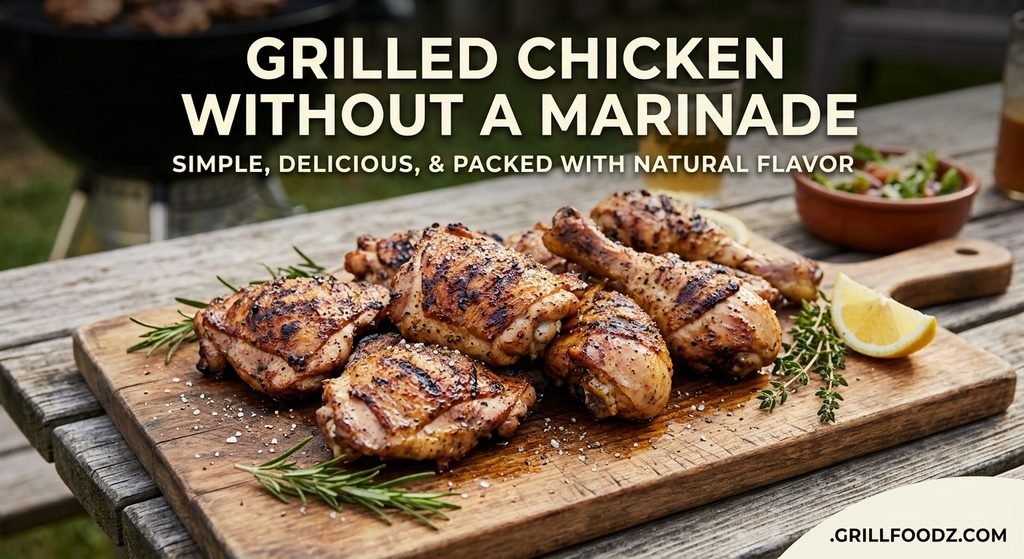
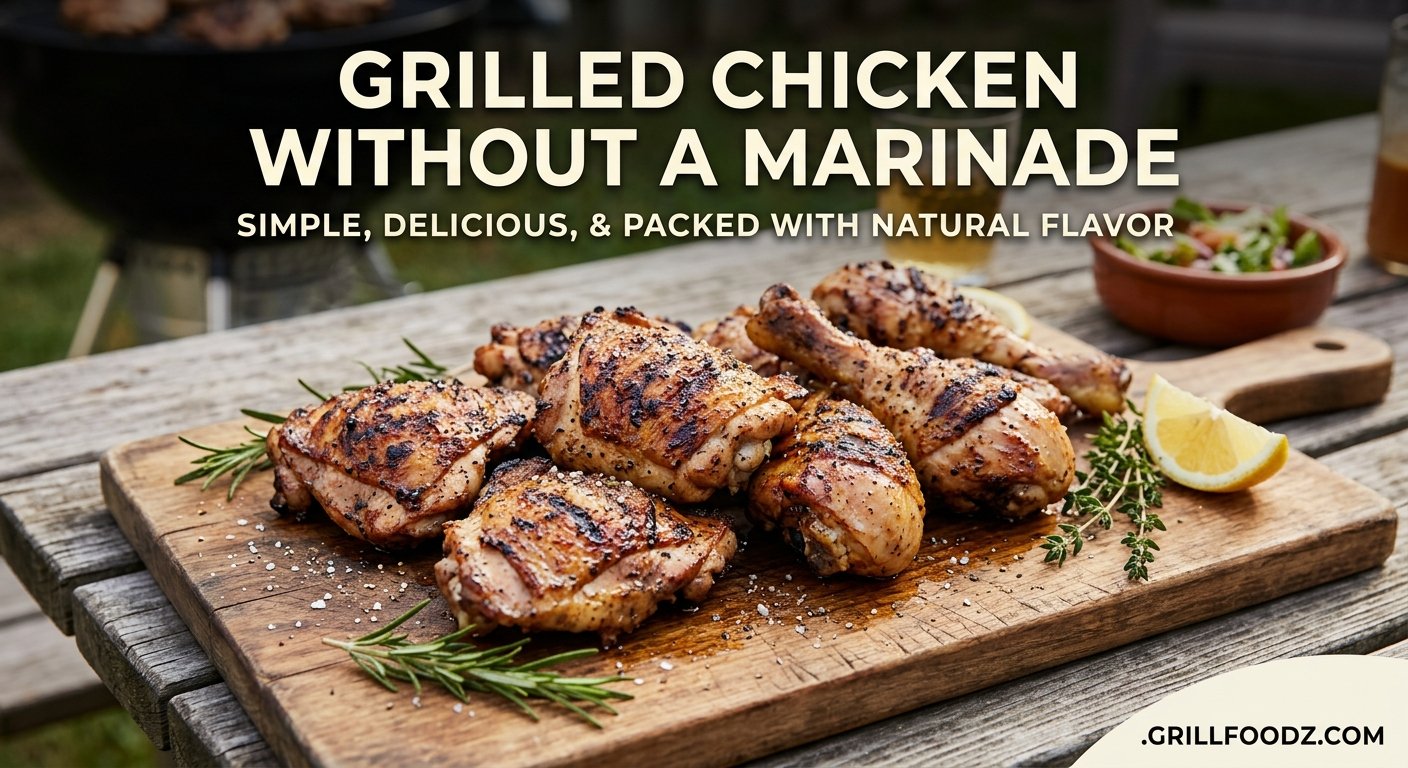
Grilled chicken without a marinade is one of the easiest ways to prepare a delicious meal without spending hours in the kitchen. Whether you are planning a quick weeknight dinner, preparing a healthy lunch, or hosting a backyard barbecue, you can make juicy, flavorful grilled chicken with a few simple ingredients.
Many people believe chicken needs to sit in a marinade for several hours to taste good. However, that is not always true. With the right seasoning, a little oil, and proper grilling techniques, you can prepare tender chicken with a beautifully browned exterior and plenty of flavor.
This grilled chicken without a marinade recipe is perfect for beginners and busy home cooks. It uses everyday pantry ingredients, requires very little preparation, and works with chicken breasts, thighs, or tenderloins.
The best part? You can season the chicken and put it straight on the grill. There is no need to wait for the flavors to soak in, making this recipe a practical choice whenever you need a satisfying meal quickly.
Why Make Grilled Chicken Without a Marinade?
Skipping the marinade saves time and makes cooking much simpler. Instead of planning your meal hours ahead, you can season your chicken just before grilling.
There are several reasons to try this method.
1. It saves preparation time
Traditional marinades often require at least 30 minutes of resting time, although some recipes recommend several hours. With this recipe, you can move directly from seasoning to grilling.
2. It uses simple ingredients
You probably already have olive oil, salt, black pepper, garlic powder, and paprika in your kitchen. These basic ingredients create a balanced flavor without requiring special sauces.
3. It works for different meals
Serve grilled chicken with rice, roasted potatoes, fresh vegetables, salad, or flatbread. You can also slice it for sandwiches, wraps, and meal-prep bowls.
4. It is easy to customize
You can adjust the seasoning to suit your preferences. Add chili powder for heat, dried oregano for a Mediterranean flavor, or lemon zest for a fresh citrus note.
5. It helps you control the flavor
Without a marinade, the natural taste of the chicken and the dry seasoning remain prominent. This is especially useful when you want chicken that pairs well with different side dishes and sauces.
Ingredients for Grilled Chicken Without a Marinade
You only need a handful of ingredients to make this easy grilled chicken recipe.
Ingredients
- 2 boneless, skinless chicken breasts, approximately 1 pound total
- 1 tablespoon olive oil
- 1 teaspoon garlic powder
- 1 teaspoon paprika
- 1/2 teaspoon salt, or to taste
- 1/2 teaspoon freshly ground black pepper
- 1/2 teaspoon onion powder
- 1/2 teaspoon dried oregano (optional)
- Lemon wedges, for serving (optional)
These ingredients create a simple savory seasoning that complements the natural flavor of grilled chicken.
Olive oil helps the seasoning stick and encourages browning on the grill. Garlic powder adds a rich savory taste, while paprika contributes color and a mild smoky flavor. Black pepper and salt bring everything together.
If you do not have onion powder or oregano, you can leave them out. The chicken will still taste delicious.
For an extra kick, add a pinch of cayenne pepper or chili powder. If you prefer a fresher flavor, squeeze a little lemon juice over the chicken after grilling rather than adding a liquid marinade beforehand.
Equipment You Will Need
This recipe does not require special cooking equipment.
You will need:
- An outdoor grill or grill pan
- Tongs for turning the chicken
- A small bowl for mixing the seasoning
- A meat thermometer
- A cutting board and sharp knife
A meat thermometer is particularly helpful because chicken can become dry if it is cooked too long. Checking the internal temperature makes it easier to serve juicy chicken while ensuring it is safely cooked.
How to Make Grilled Chicken Without a Marinade
Follow these simple steps to prepare flavorful grilled chicken without waiting for a marinade.
Step 1: Prepare the Chicken
Remove the chicken breasts from their packaging and pat them dry with paper towels.
This step may seem small, but it makes a difference. Removing excess moisture helps the chicken brown instead of steaming on the grill.
If the chicken breasts are very thick on one side, gently pound them to an even thickness. You can place them between two sheets of baking paper or inside a food-safe bag before pounding.
Try to make the pieces approximately the same thickness so they cook evenly. This also helps prevent thin sections from drying out before the thicker parts are ready.
Step 2: Mix the Seasoning
In a small bowl, combine the garlic powder, paprika, salt, black pepper, onion powder, and dried oregano.
Stir everything together until the spices are evenly mixed.
Preparing the seasoning separately makes it easier to distribute the flavors over the chicken. You can also make a larger batch and store the unused dry seasoning in an airtight container for another meal.
Step 3: Coat the Chicken With Oil
Place the chicken breasts on a clean plate or cutting board.
Drizzle the olive oil over both sides and rub it across the surface. Make sure each piece receives a light, even coating.
The oil is not a marinade. It simply helps the dry spices adhere to the chicken and supports browning during grilling.
Avoid using too much oil because excess oil can drip onto the flames and cause flare-ups on an outdoor grill.
Step 4: Apply the Dry Seasoning
Sprinkle the seasoning mixture over both sides of the chicken.
Gently press the spices onto the surface so they stay in place. Make sure the edges are seasoned as well.
You can cook the chicken immediately after seasoning. However, if you have a few extra minutes, letting it rest briefly while you preheat the grill is perfectly fine.
There is no need for several hours of preparation.
Step 5: Preheat the Grill
Preheat your grill to medium-high heat, approximately 400–450°F (204–232°C).
If you are using an outdoor grill, clean the grates and lightly oil them using a safe method. This helps reduce sticking and makes turning the chicken easier.
For a grill pan, preheat it over medium-high heat until hot. Follow your pan manufacturer’s instructions for oiling and handling.
A properly preheated cooking surface helps the chicken develop attractive grill marks and a browned exterior.
Step 6: Grill the Chicken
Place the seasoned chicken on the hot grill.
For average boneless chicken breasts, start with approximately 5–7 minutes on the first side. Turn the chicken and cook for another 5–7 minutes, depending on its thickness and your grill’s heat.
Avoid repeatedly moving or pressing down on the chicken. Let it cook undisturbed long enough to develop a good sear.
These cooking times are estimates, not guarantees. Thin pieces may finish sooner, while thicker breasts can take longer.
Use a food thermometer to check the thickest part of each piece. Chicken should reach an internal temperature of 165°F (74°C) for safe consumption.
If the outside begins browning too quickly before the inside is cooked, move the chicken to a cooler part of the grill or reduce the heat.
Step 7: Let the Chicken Rest
Transfer the cooked chicken to a clean plate and allow it to rest for about 5 minutes before slicing.
Resting gives the juices time to redistribute, helping the meat remain moist when cut.
Avoid slicing the chicken immediately after removing it from the grill, as more juices may escape onto the cutting board.
Step 8: Serve and Enjoy
Finish with a squeeze of fresh lemon juice if desired.
Serve the chicken whole with your favorite sides, or slice it into strips for wraps, salads, sandwiches, and rice bowls.
You now have flavorful grilled chicken without a marinade, prepared with simple ingredients and very little effort.
Tips for Juicy Grilled Chicken Without a Marinade
The secret to delicious grilled chicken is not necessarily a complicated marinade. Good preparation, suitable heat, and careful cooking make a significant difference.
Choose Chicken Pieces of Similar Thickness
Chicken breasts often have one thick end and one thin end. This can lead to uneven cooking.
Pounding the thicker section gently creates a more uniform piece, allowing the chicken to cook more evenly.
Pat the Chicken Dry
Moisture on the surface can interfere with browning. Patting the chicken dry before adding oil and seasoning encourages a better sear.
Do Not Overcook the Chicken
Overcooking is one of the most common reasons grilled chicken becomes dry.
Use a meat thermometer instead of relying only on appearance or cooking time. Remove the chicken from the grill once the thickest part reaches 165°F (74°C).
Avoid Constantly Flipping the Chicken
Turning the chicken too frequently can make it harder to develop an attractive browned surface. Let the first side cook before turning it.
You do not need to follow an exact minute-by-minute schedule. Watch how the chicken is browning and check the internal temperature.
Let the Chicken Rest Before Slicing
A short resting period helps preserve moisture and improves the texture of the finished dish.
Use Seasoning Generously but Sensibly
Chicken has a mild flavor, so dry seasonings help make each bite more interesting. Spread the spices evenly instead of concentrating them in one area.
Be mindful of salt if you plan to serve the chicken with salty sauces, cheese, or seasoned side dishes.
How Long Should You Grill Chicken Without a Marinade?
The cooking time depends on the thickness of the chicken, the type of grill, and the temperature.
Here are general estimates for boneless chicken pieces cooked over medium-high heat.
| Chicken cut | Approximate cooking time |
|---|---|
| Thin chicken cutlets | 3–5 minutes per side |
| Average chicken breasts | 5–7 minutes per side |
| Thick chicken breasts | 7–9 minutes per side, sometimes longer |
| Boneless chicken thighs | 5–8 minutes per side |
| Chicken tenderloins | 3–5 minutes per side |
These times are approximate and should be used as a starting point. Always check that the thickest part reaches 165°F (74°C).
Bone-in chicken generally requires a longer cooking time and may benefit from indirect heat to cook through without burning the outside.
Can You Grill Chicken Without Oil?
Yes, you can grill chicken without oil, although the result may be slightly different.
Oil helps the dry seasoning stick and encourages browning. Without it, lean chicken breasts may stick more easily, particularly on a grill that has not been properly cleaned or preheated.
If you prefer to skip the oil, use a clean, well-preheated grill and turn the chicken carefully. You can also use a suitable nonstick grill pan according to the manufacturer’s instructions.
Keep in mind that chicken breast is naturally lean. Careful temperature control becomes especially important when cooking without added oil.
Best Seasonings for Chicken Without a Marinade
Dry seasonings are an easy way to add flavor without preparing a liquid marinade.
Here are a few combinations worth trying.
Classic Garlic and Pepper
Combine garlic powder, black pepper, salt, and a little onion powder. This simple blend works with almost any side dish.
Smoky Paprika Chicken
Use paprika, garlic powder, black pepper, and a small pinch of chili powder. This combination is excellent for barbecue-style meals.
Lemon Herb Chicken
Season with garlic powder, dried oregano, black pepper, and a little lemon zest. Add fresh lemon juice after grilling for a bright finish.
Spicy Grilled Chicken
Combine paprika, cayenne pepper, garlic powder, black pepper, and salt. Adjust the chili according to your preferred heat level.
Italian-Inspired Chicken
Use dried basil, oregano, garlic powder, black pepper, and a little salt. Serve with roasted vegetables or a fresh tomato salad.
You can change the seasoning each time you prepare this recipe without changing the basic cooking method.
What to Serve With Grilled Chicken Without a Marinade
Grilled chicken is versatile because its simple seasoning pairs well with many foods.
Rice and Grains
Serve the chicken with steamed white rice, brown rice, lemon rice, or quinoa. Add cooked vegetables for a balanced and filling meal.
Roasted Potatoes
Crispy roasted potatoes or potato wedges provide a satisfying contrast to the tender chicken.
Season the potatoes with garlic, paprika, and black pepper to complement the chicken.
Fresh Salads
A green salad with cucumber, tomatoes, lettuce, and a light dressing is an easy option for lunch or dinner.
You can also slice the chicken over a Caesar-style salad or a grain bowl.
Grilled Vegetables
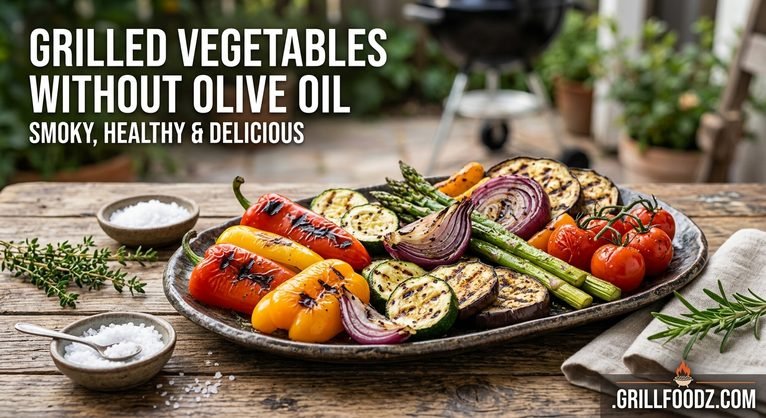
Bell peppers, zucchini, onions, mushrooms, and asparagus cook well alongside chicken on the grill.
Toss the vegetables with a small amount of oil and seasoning, then cook until tender.
Wraps and Sandwiches
Slice the cooked chicken and place it inside flatbread, tortillas, or sandwich rolls.
Add lettuce, tomatoes, onions, and your favorite sauce for a quick meal.
How to Store Leftover Grilled Chicken
If you have leftover grilled chicken, allow it to cool slightly and place it in a shallow, airtight container.
Refrigerate it within two hours of cooking, or within one hour if the surrounding temperature is above 90°F (32°C). Properly refrigerated cooked chicken should generally be eaten within 3–4 days.
To reheat, use a covered skillet with a small splash of water or broth, or heat it in the microwave until steaming hot. Reheated leftovers should reach 165°F (74°C).
You can also freeze cooked grilled chicken in freezer-safe containers or bags. For the best quality, use it within about 2–6 months.
Thaw frozen chicken in the refrigerator rather than leaving it on the counter.
Common Mistakes to Avoid
Even a simple grilled chicken recipe can go wrong if a few important details are overlooked.
Using a grill that is not hot enough: A properly preheated grill helps the chicken brown instead of becoming pale and dry.
Skipping the seasoning: Because there is no marinade, evenly distributed dry seasoning is important for flavor.
Cooking directly over aggressive flames: Excessive heat can burn the spices before the chicken cooks through.
Cutting the chicken too early: Let the meat rest for a few minutes before slicing.
Guessing when the chicken is done: Color alone is not a reliable indicator of safe doneness. Use a food thermometer.
Using too much oil: A light coating is enough for this recipe. Excess oil may drip into the flames and cause flare-ups.
Frequently Asked Questions
Can I make grilled chicken without marinating it overnight?
Absolutely. This recipe is designed for cooking chicken without an overnight marinade. Apply the seasoning and grill the chicken once the cooking surface is ready.
Will grilled chicken taste good without a marinade?
Yes. Salt, garlic powder, paprika, black pepper, and other dry seasonings can create a flavorful crust. Proper grilling also adds a delicious browned flavor.
Should I season chicken before grilling?
Yes. Seasoning immediately before grilling gives the chicken flavor without requiring a long resting period.
Can I use frozen chicken for this recipe?
Thaw the chicken completely in the refrigerator before grilling. Cooking partially frozen chicken can result in uneven cooking and makes it harder to judge doneness.
Can I make this recipe on a stovetop?
Yes. Use a preheated grill pan or heavy skillet over medium-high heat. Add a light coating of oil if needed, cook the seasoned chicken on both sides, and check that the center reaches 165°F (74°C).
Is grilled chicken without a marinade healthy?
It can be part of a balanced diet. Skinless chicken breast provides protein, and this recipe uses a modest amount of olive oil. The overall nutritional value depends on portion size, added salt, cooking method, and the side dishes you choose.
How can I keep grilled chicken from drying out?
Choose pieces of even thickness, avoid excessive heat, monitor the internal temperature, and let the chicken rest before cutting. These steps are more important than leaving the chicken in a marinade for hours.
Can I prepare the seasoning ahead of time?
Yes. Mix the dry spices in advance and store them in an airtight container in a cool, dry place. When you are ready to cook, simply coat the chicken with oil and apply the seasoning.
Final Thoughts
Grilled chicken without a marinade proves that a delicious meal does not have to involve complicated preparation or a long list of ingredients. With chicken breasts, a little olive oil, and a few everyday spices, you can make a satisfying dish that works for lunch, dinner, meal prep, or a casual barbecue.
The key is to pat the chicken dry, season it evenly, preheat the grill, and avoid overcooking. Check the thickest part with a meat thermometer to ensure it reaches 165°F (74°C), then allow the chicken to rest before serving.
Once you master this simple method, you can experiment with different seasonings and side dishes to keep your meals interesting.
If you need a quick, reliable dinner that tastes great without hours of preparation, this easy grilled chicken without a marinade recipe is worth adding to your regular meal rotation.