
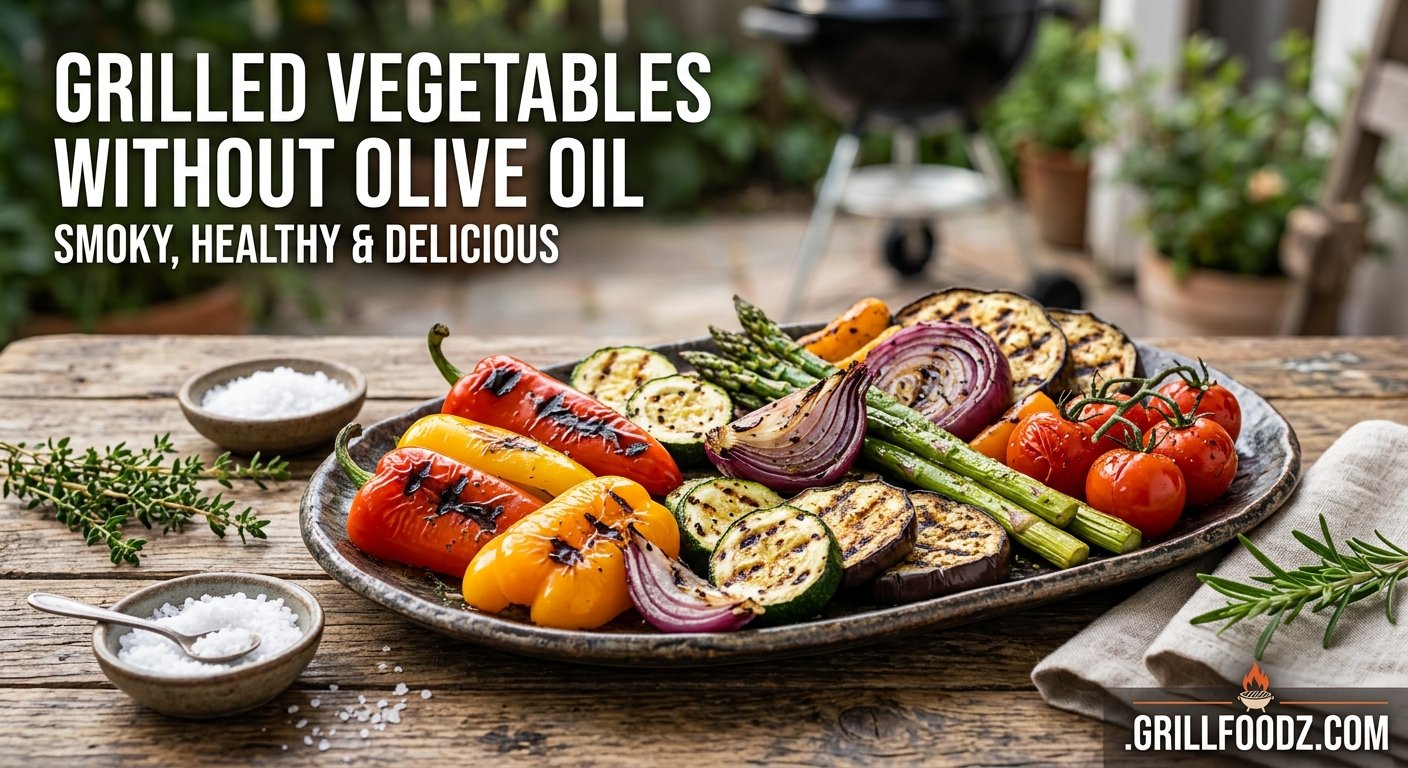
Grilled Vegetables Without Olive Oil: An Easy and Healthy Recipe
Grilled vegetables are one of the easiest ways to enjoy fresh produce with delicious smoky flavor. However, many grilled vegetable recipes call for olive oil to prevent sticking and help vegetables brown. The good news is that you can make grilled vegetables without olive oil and still enjoy tender centers, lightly charred edges, and plenty of natural flavor.
Whether you are preparing a quick weeknight side dish, planning a summer barbecue, or looking for a simple way to cook more vegetables, this recipe is worth trying. It uses fresh vegetables, a few pantry seasonings, and a simple grilling technique to create a colorful dish without adding olive oil.
You do not need complicated ingredients or special cooking equipment. With the right vegetable cuts, a properly heated grill, and a little attention while cooking, you can prepare delicious grilled vegetables that complement almost any meal.
In this guide, you will learn which vegetables work best, how to grill them without oil, which seasonings to use, and how to avoid common problems such as sticking, burning, and dryness.
Why Make Grilled Vegetables Without Olive Oil?
There are several reasons to prepare grilled vegetables without olive oil. You might want to reduce added fats, avoid olive oil because of its flavor, or simply cook with ingredients already available in your kitchen.
Grilling brings out the natural sweetness of many vegetables. When vegetables are exposed to high heat, their surfaces develop attractive brown spots and a slightly smoky flavor. These changes add depth to the dish without requiring an oil-based marinade.
Another advantage is simplicity. Instead of measuring oil and preparing a complicated sauce, you can season your vegetables with salt, black pepper, garlic powder, paprika, and fresh herbs.
Cooking without olive oil also makes it easier to appreciate the individual flavors of the vegetables. Sweet bell peppers, juicy zucchini, tender mushrooms, and slightly caramelized onions each contribute something different to the finished dish.
Keep in mind that vegetables naturally contain different amounts of water and nutrients. Grilling without oil changes the cooking method, but it does not automatically make every meal healthier. Your overall ingredients, portions, and serving choices still matter.
Ingredients for Grilled Vegetables Without Olive Oil
This recipe uses everyday ingredients and allows plenty of room for substitutions.
Ingredients
- 1 medium zucchini
- 1 yellow summer squash
- 1 red bell pepper
- 1 green bell pepper
- 1 medium red onion
- 1 cup mushrooms
- 1 tablespoon lemon juice
- 1 teaspoon garlic powder
- 1 teaspoon paprika
- 1/2 teaspoon black pepper
- 1/2 teaspoon salt, or to taste
- 1 teaspoon dried Italian herbs
- 1–2 tablespoons water, as needed
You can adjust the vegetables according to the season and what you have available. Broccoli florets, asparagus, eggplant, cherry tomatoes, and thick slices of cabbage are also excellent options.
The lemon juice adds freshness, while the garlic powder, paprika, and herbs provide a savory flavor. A small amount of water helps distribute the seasonings if the vegetables seem too dry.
For the best results, choose vegetables that are fresh, firm, and free from soft spots.
Equipment You Will Need
You do not need much equipment for this recipe. A regular outdoor grill works well, but a grill pan or electric grill can also be used.
Prepare the following:
- Outdoor gas or charcoal grill
- Grill basket or suitable grill-safe tray, if needed
- Cutting board
- Sharp knife
- Mixing bowl
- Tongs or a spatula
- Small brush or spoon for applying seasonings
A grill basket is particularly useful when cooking mushrooms, onion pieces, or smaller vegetables that might fall between the grates.
If you prefer cooking directly on the grill grates, cut your vegetables into pieces large enough to handle easily.
How to Prepare Vegetables for Grilling Without Oil
Proper preparation is one of the most important parts of this recipe. Since you are not using olive oil, the vegetables need to be cut and handled carefully to prevent sticking and uneven cooking.
Step 1: Wash and Dry the Vegetables
Wash all your vegetables under clean running water. Remove dirt from mushrooms and trim away any damaged sections.
Dry the vegetables with a clean kitchen towel or paper towel. This step is important because excess surface water can interfere with browning.
You do not need to remove every trace of moisture from the inside of the vegetables. Simply dry their outer surfaces before seasoning them.
Step 2: Cut the Vegetables Evenly
Slice the zucchini and yellow squash lengthwise into pieces approximately 1/4 to 1/2 inch thick.
Cut the bell peppers into wide strips. Slice the red onion into thick rings or wedges that hold together during cooking.
Leave small mushrooms whole and cut larger ones in half. If using eggplant, slice it into rounds of similar thickness.
Try to keep pieces of the same vegetable approximately equal in size. Thin pieces cook faster, while thick pieces need more time.
Step 3: Add the Seasonings
Place the prepared vegetables in a large bowl.
Add the lemon juice, garlic powder, paprika, black pepper, salt, and Italian herbs. Toss gently until the seasonings are distributed evenly.
If the mixture looks too dry for the seasonings to adhere, add a small amount of water. Avoid adding too much because wet vegetables are more likely to steam instead of developing a nicely browned surface.
Let the seasoned vegetables rest for about five minutes while you prepare the grill.
How to Grill Vegetables Without Olive Oil
The secret to flavorful oil-free grilled vegetables is managing the heat and avoiding unnecessary movement. Follow these steps for a reliable result.
Step 1: Preheat the Grill
Preheat your grill to medium or medium-high heat, depending on the vegetable and your grill’s characteristics.
A properly heated grill helps the vegetables begin cooking as soon as they touch the surface. If the grill is too cool, vegetables may release moisture and stick before developing any browning.
Clean the grill grates before cooking. Remove any food residue from previous meals.
For easier handling, you can use a clean grill basket or a suitable grill-safe tray instead of placing every vegetable directly on the grates.
Step 2: Arrange the Vegetables
Place the vegetables on the grill in a single layer. Leave a little space between the pieces so that heat can circulate.
Avoid piling everything together. Crowded vegetables release moisture and can steam instead of grill.
Keep smaller vegetables, such as mushrooms, in a grill basket. Arrange larger pieces, including zucchini slices and bell pepper strips, directly on the grates if they are stable enough.
Step 3: Grill Without Moving Them Too Often
Allow the vegetables to cook undisturbed for a few minutes before checking them.
Zucchini and summer squash generally need around 3–5 minutes per side, depending on thickness and heat. Bell peppers may need approximately 4–6 minutes per side. Onion wedges can take 8–12 minutes in total, while mushrooms often need around 5–8 minutes.
These are estimates rather than fixed cooking times. Different grills produce different temperatures, and vegetable sizes can vary considerably.
Turn the vegetables when the undersides develop brown grill marks and the pieces release from the cooking surface relatively easily.
If a vegetable sticks firmly, give it a little more time before trying again. Pulling it away too early can tear the surface.
Step 4: Check for Tenderness
The vegetables should be tender but not completely soft. Zucchini should remain intact, bell peppers should soften without collapsing, and onions should become sweet and lightly charred.
Use tongs to turn the vegetables carefully.
If some pieces cook faster than others, remove them from the grill and continue cooking the remaining vegetables.
Step 5: Finish With Lemon Juice
Transfer the grilled vegetables to a serving plate.
Add a small squeeze of fresh lemon juice if you want a brighter flavor. Taste and adjust the salt, pepper, or herbs as needed.
Serve the vegetables warm for the best combination of texture and smoky flavor.
Best Vegetables to Grill Without Olive Oil
Not all vegetables behave the same way on the grill. Some contain enough moisture to remain tender, while others benefit from slightly different preparation methods.
Zucchini and Yellow Squash
Zucchini and summer squash are excellent choices for oil-free grilling. Their mild flavor works well with garlic, paprika, black pepper, and lemon.
Cut them into thick slices so they do not become too soft or fall apart. Grill until they have visible brown marks and a tender center.
Avoid slicing them too thinly, especially if you plan to cook them directly on the grates.
Bell Peppers
Bell peppers become sweeter as they soften over the heat. Red, yellow, and orange peppers are especially useful when you want a colorful side dish.
Cut them into broad strips and grill until their edges begin to char and the flesh becomes tender.
Green peppers have a slightly more bitter flavor, making them a useful contrast to sweet onions and squash.
Red Onions
Red onions develop a pleasant sweetness when grilled. Their natural sugars contribute to browning, so they can be flavorful even without added oil.
Cut the onions into thick rings or wedges. Very thin slices may break apart or burn before the inside softens.
If the rings separate easily, use a grill basket or cook the wedges instead.
Mushrooms
Mushrooms contain considerable moisture, which helps them remain juicy during grilling.
Small mushrooms can be grilled whole in a basket, while larger mushrooms can be halved or sliced thickly.
Season them with garlic powder, pepper, and dried herbs. Avoid overcrowding them because excess moisture can prevent browning.
Broccoli
Broccoli can also be grilled without olive oil, although it benefits from slightly different preparation.
Cut it into medium florets with enough stem attached to hold each piece together. Blanching the florets briefly before grilling is an option if you prefer a softer center.
Alternatively, use a grill basket and cook over moderate heat until the edges begin to brown.
Eggplant
Eggplant is a good choice when you want a hearty grilled vegetable.
Cut it into thick rounds or long slices. Since eggplant can become soft quickly, avoid making the slices too thin.
Season with lemon juice, garlic, paprika, and herbs. Turn carefully and remove the pieces once they are tender.
How to Prevent Vegetables From Sticking Without Oil
One of the biggest concerns when making grilled vegetables without olive oil is sticking. Fortunately, a few simple techniques can make a noticeable difference.
Preheat the grill properly. Vegetables are more likely to stick when the cooking surface is not sufficiently hot.
Clean the grates. Old food residue can cause vegetables to stick and tear when you turn them.
Dry the vegetables. Remove excess surface moisture before adding the seasonings.
Choose suitable cuts. Larger pieces are easier to handle than tiny cubes or thin slices.
Wait before turning. Vegetables often release more easily once their surfaces have developed enough browning.
Use a grill basket. This is especially helpful for mushrooms, small florets, and vegetables cut into irregular shapes.
Try a grill-safe nonstick tray. Follow the manufacturer’s instructions for high-heat use. Do not place cookware on a grill unless it is designed to withstand that temperature.
Avoid applying cooking sprays or other oils if your goal is a completely oil-free recipe.
Flavor Variations for Oil-Free Grilled Vegetables
You can easily change the flavor of this recipe without adding olive oil.
Garlic and Herb Vegetables
Combine garlic powder, dried oregano, thyme, black pepper, and a little lemon juice.
This classic seasoning combination works particularly well with zucchini, mushrooms, onions, and bell peppers.
Spicy Grilled Vegetables
Add chili powder, smoked paprika, and a small pinch of cayenne pepper.
The smoky spices complement the grill marks and give the vegetables a little heat. Adjust the chili according to your preference.
Lemon Pepper Vegetables
Use lemon juice, black pepper, garlic powder, and dried parsley.
This variation tastes fresh and pairs well with grilled fish, chicken, or baked potatoes.
Italian-Style Grilled Vegetables
Season the vegetables with dried basil, oregano, garlic powder, and black pepper.
After grilling, add fresh basil or chopped parsley if available. Serve with pasta, toasted bread, or a simple grain bowl.
Smoky Paprika Vegetables
Use smoked paprika, garlic powder, black pepper, and a squeeze of lemon.
This combination is particularly good with eggplant, mushrooms, onions, and bell peppers.
Common Mistakes to Avoid
Even a simple recipe can become disappointing if a few details are overlooked.
Using Too Much Water
Water can help seasonings adhere, but excess moisture makes it harder for vegetables to brown.
Use only a small amount when needed, and make sure the vegetables are not dripping wet before grilling.
Cutting Everything Too Thin
Thin vegetables cook quickly and may become soft before developing enough color.
Use reasonably thick slices for zucchini, squash, eggplant, and onions. Smaller pieces are better suited to a grill basket.
Cooking Over Excessively High Heat
Very high heat can burn the outside while leaving thicker pieces undercooked.
Medium to medium-high heat is a useful starting point. Adjust the temperature if the vegetables are browning too quickly.
Turning Vegetables Too Early
Moving the vegetables constantly can prevent browning and make them more likely to tear.
Let the first side cook before attempting to turn it.
Overcrowding the Grill
When too many vegetables are packed together, moisture builds up and the pieces may steam instead of grill.
Cook in batches if necessary. A little extra cooking time is worth it for better texture.
Leaving Vegetables on the Grill Too Long
Vegetables continue softening as they cook. Remove each type when it reaches the texture you prefer rather than waiting for every vegetable to finish at the same time.
What to Serve With Grilled Vegetables Without Olive Oil
These vegetables are versatile enough to accompany many different meals.
Serve them alongside grilled chicken, roasted turkey, baked fish, or lean beef for a balanced dinner.
They also work well with rice, quinoa, couscous, baked potatoes, or whole-grain bread. For a meat-free meal, combine them with chickpeas, lentils, grilled tofu, or white beans.
You can turn leftovers into a grain bowl by adding cooked rice, beans, fresh greens, and a lemon-based dressing.
Another easy option is to place the grilled vegetables inside a sandwich or wrap with hummus, lettuce, and sliced tomatoes.
If you enjoy pasta, chop the vegetables into smaller pieces and mix them with cooked pasta, garlic, fresh herbs, and a little pasta water.
For a summer barbecue, serve them alongside burgers, grilled chicken, or other outdoor favorites.
Can You Grill Vegetables Without Oil on a Gas Grill?
Yes. A gas grill works very well for this recipe.
Preheat the grill, clean the grates, and cook the vegetables over medium to medium-high heat. Close the lid briefly when appropriate to help thicker vegetables cook through, but check them regularly to prevent burning.
If you are concerned about sticking, use a suitable grill basket or nonstick grill tray.
Gas grills can have hot spots, so move vegetables around if one area cooks more quickly than another.
Can You Make Grilled Vegetables Without Oil on a Charcoal Grill?
Absolutely. Charcoal grilling gives vegetables a distinctive smoky flavor.
Allow the charcoal to develop a steady bed of heat before adding the vegetables. Avoid placing delicate vegetables directly over intense flames.
If the grill has different heat zones, use the hotter area to develop color and move thicker vegetables to a cooler area to finish cooking.
Keep an eye on the vegetables because charcoal heat can fluctuate as the coals burn.
Can You Make This Recipe in a Grill Pan?
Yes. A stovetop grill pan is a practical alternative when outdoor grilling is not possible.
Preheat the pan over medium heat, arrange the vegetables in a single layer, and cook until grill marks develop. Turn the pieces and continue cooking until tender.
Because a grill pan has limited space, you may need to cook in several batches.
For a completely oil-free method, use a well-maintained nonstick grill pan suitable for the intended temperature. A regular pan may require more careful handling to prevent sticking.
Storage and Reheating Tips
Allow leftover vegetables to cool, then place them in an airtight container and refrigerate within two hours of cooking.
For best quality, eat refrigerated leftovers within three to four days.
To reheat, place the vegetables in a skillet over medium heat and warm them until heated through. You can also use an oven or air fryer, checking regularly to avoid excessive drying.
A microwave works when convenience matters most, although the vegetables may become softer.
Leftovers can be chopped and added to omelets, pasta, rice bowls, wraps, salads, and soups. Their smoky flavor makes them useful for quick meals during the week.
Freezing is possible, but the vegetables may become softer after thawing. Zucchini, squash, and mushrooms are especially likely to lose their original texture.
Frequently Asked Questions
Can I grill vegetables without olive oil?
Yes. You can grill vegetables without olive oil by using a properly heated grill, suitable vegetable cuts, and simple seasonings. A grill basket or grill-safe tray can help prevent sticking.
What can I use instead of olive oil for grilled vegetables?
You can use lemon juice, a little water, herbs, garlic powder, paprika, and other dry seasonings. These ingredients provide flavor without requiring oil. However, lemon juice and water do not behave exactly like oil, so they will not produce the same coating or browning effect.
Do grilled vegetables taste good without oil?
Yes. Grilling brings out the natural sweetness of vegetables and adds smoky flavor. Garlic, herbs, pepper, paprika, and lemon juice can make the finished dish flavorful without an oil-based marinade.
How long do vegetables take to grill without oil?
Cooking time depends on the vegetable, thickness, grill temperature, and cooking equipment. Thin zucchini slices may take around 3–5 minutes per side, while thicker onions or eggplant can require longer.
Check the texture regularly and use these times as a starting point rather than a strict rule.
Can I grill frozen vegetables without oil?
Yes, although fresh vegetables are usually easier to grill directly. Frozen vegetables often release extra moisture, which can interfere with browning. Thawing and draining them first may help, and a grill basket is useful for smaller pieces.
Should I salt vegetables before grilling?
Yes, you can season them with a moderate amount of salt before grilling. However, salt draws moisture to the surface, so avoid letting the vegetables sit in the seasoning for too long. You can also add some salt after cooking.
Are grilled vegetables without oil healthy?
Grilled vegetables provide fiber, vitamins, minerals, and other beneficial nutrients. Preparing them without added oil can reduce the amount of added fat in the dish. The nutritional value of the complete meal still depends on the vegetables, seasonings, portions, and foods served alongside them.
Final Thoughts
Making grilled vegetables without olive oil is a simple way to enjoy colorful, flavorful vegetables without relying on an oil-based marinade. With zucchini, bell peppers, onions, mushrooms, and a handful of everyday seasonings, you can prepare a delicious side dish for weeknight dinners, summer barbecues, or meal preparation.
The most important steps are to dry the vegetables, cut them evenly, preheat the grill, and give each piece enough time to brown before turning it. A grill basket can make the process even easier, particularly when cooking smaller vegetables.
Experiment with garlic, paprika, lemon juice, and fresh herbs to discover your favorite combination. Serve the finished vegetables with grilled chicken, fish, rice, pasta, or beans for a satisfying meal.
Once you learn the basic technique, you can adapt it to almost any vegetable you have available. This easy recipe proves that grilled vegetables can be delicious, versatile, and straightforward to prepare without olive oil.
5 Comments