
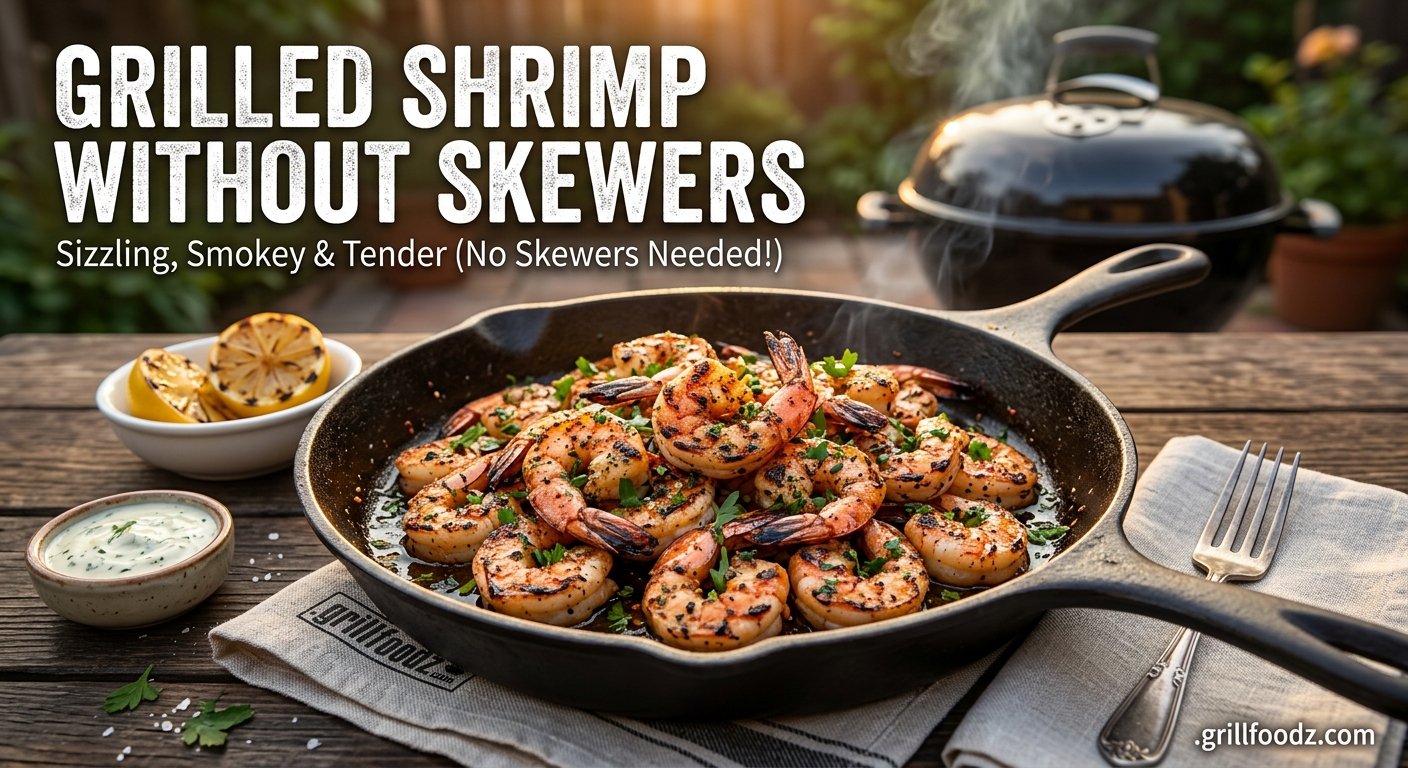
Grilled Shrimp Without Skewers: An Easy and Flavorful Recipe
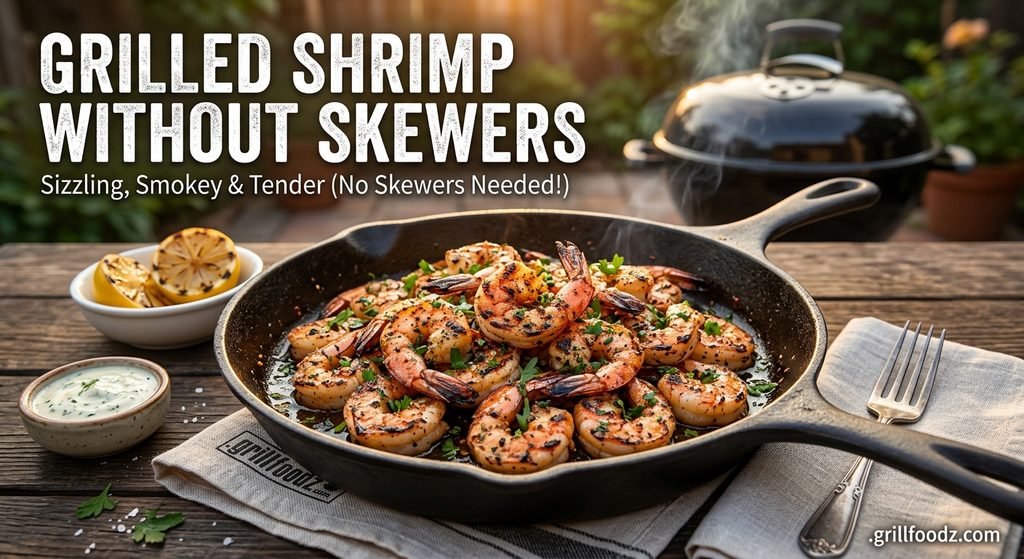
Grilled shrimp without skewers is one of the easiest ways to enjoy delicious, juicy seafood at home. You do not need wooden sticks, metal skewers, or special grilling equipment to prepare perfectly cooked shrimp. With a simple marinade, a hot grill, and a little attention, you can make tender shrimp with a lightly charred exterior and plenty of flavor.
This recipe is perfect for summer cookouts, quick weeknight dinners, family gatherings, and outdoor barbecues. Whether you have a gas grill or a charcoal grill, you can cook shrimp directly on the grates using a grill basket or a suitable grill-safe pan. The result is a flavorful seafood dish that requires minimal preparation and cooks in just a few minutes.
In this guide, you will learn how to make grilled shrimp without skewers, which ingredients work best, how to prevent shrimp from sticking to the grill, and how to keep them juicy instead of rubbery. You will also discover helpful serving suggestions, storage instructions, and simple variations to make this recipe your own.
Why You Will Love Grilled Shrimp Without Skewers
There are several reasons to try this easy grilled shrimp recipe. First, it eliminates the extra work of threading shrimp onto skewers. You can season the shrimp, place them in a grill basket, and start cooking without worrying about arranging each piece individually.
Another advantage is the short cooking time. Shrimp cook much faster than most meats, making them an excellent choice when you need a satisfying meal without spending hours in the kitchen.
Here are a few more reasons to love this recipe:
- Quick preparation: The shrimp need only a few minutes of preparation before grilling.
- Simple ingredients: Olive oil, garlic, lemon juice, paprika, salt, and black pepper provide plenty of flavor.
- No skewers required: A grill basket or suitable grilling pan makes cooking easy.
- Versatile serving options: Serve the shrimp with rice, vegetables, pasta, salad, or grilled potatoes.
- Easy to customize: Adjust the seasonings to make the shrimp spicy, smoky, buttery, or herbaceous.
- Perfect for entertaining: Prepare a large batch without spending time threading individual shrimp.
The biggest secret to success is controlling the heat and removing the shrimp from the grill as soon as they are cooked.
Ingredients for Grilled Shrimp Without Skewers
You only need a handful of everyday ingredients to prepare this flavorful grilled shrimp recipe. Fresh ingredients are wonderful, but frozen shrimp work equally well when properly thawed.
Ingredients
- 1 pound large shrimp, peeled and deveined
- 2 tablespoons olive oil
- 2 cloves garlic, finely minced
- 1 tablespoon fresh lemon juice
- 1 teaspoon paprika
- 1/2 teaspoon salt, or to taste
- 1/4 teaspoon ground black pepper
- 1/2 teaspoon onion powder
- 1 tablespoon chopped fresh parsley, optional
- Lemon wedges, for serving
Large or jumbo shrimp are generally easier to handle on the grill because they are less likely to fall through the grates. However, medium shrimp also work well when cooked in a grill basket.
You can use shrimp with the tails removed for easier eating or leave the tails on for a more attractive presentation.
Choosing the Best Shrimp
For this recipe, choose large shrimp that are similar in size. Uniform shrimp cook more evenly, so you will not have some pieces overcooked while others remain underdone.
Fresh shrimp should have a mild, clean smell. If you are using frozen shrimp, thaw them in the refrigerator overnight or place them in a sealed bag in cold water until thawed. Avoid thawing shrimp at room temperature.
Before seasoning, pat the shrimp dry with paper towels. Removing excess moisture helps the shrimp develop better surface color and reduces splattering when they reach the hot grill.
How to Grill Shrimp Without Skewers
The easiest way to grill shrimp without skewers is to use a grill basket. The basket holds the shrimp securely while allowing heat and smoke to reach them. A suitable grill-safe pan is another useful option.
If you do not own either accessory, you can cook larger shrimp directly on clean grill grates, provided the gaps are narrow enough to prevent them from falling through.
Step 1: Prepare the Shrimp
If the shrimp are frozen, thaw them completely before cooking. Remove the shells and devein them if necessary. Rinse briefly under cold running water if needed, then pat dry thoroughly.
Dry shrimp are easier to season and generally develop better browning than wet shrimp.
Place the shrimp in a medium mixing bowl and check that they are relatively similar in size. This makes it easier to cook the entire batch evenly.
Step 2: Make the Marinade
Add olive oil, minced garlic, lemon juice, paprika, salt, black pepper, and onion powder to the bowl.
Mix everything until the shrimp are evenly coated. The olive oil helps distribute the seasonings, while garlic and paprika provide savory depth. Lemon juice adds a fresh, bright flavor that complements the natural sweetness of the shrimp.
For the best texture, avoid leaving the shrimp in an acidic marinade for too long. About 10–15 minutes is usually sufficient for this recipe.
If you prefer to prepare the seasoning ahead of time, mix the oil and dry seasonings separately and add the lemon juice shortly before cooking.
Step 3: Preheat the Grill
Preheat your gas or charcoal grill to medium-high heat, approximately 400–450°F (204–232°C).
A properly heated grill helps the shrimp cook quickly and develop light char marks. If the grill is too cool, the shrimp may release moisture and cook unevenly. Excessively high heat, however, can burn the garlic before the shrimp finish cooking.
Clean the grill grates thoroughly. If you are using a grill basket, preheat it according to the manufacturer’s instructions.
Lightly oil the cooking surface using a method appropriate for your grill. Never spray aerosol cooking spray directly over an open flame.
Step 4: Arrange the Shrimp Without Skewers
Place the shrimp in a single layer inside the grill basket. Avoid piling them on top of one another because crowded shrimp tend to steam rather than grill.
If you are cooking directly on the grates, arrange the shrimp carefully with a little space between each piece. Large shrimp are easier to manage than smaller varieties.
Use a grill-safe pan designed for high-temperature cooking if you prefer a more secure cooking surface.
The key is to keep the shrimp in one layer so the heat can reach each piece evenly.
Step 5: Grill the Shrimp
Close the grill lid if appropriate for your grill setup and cook the shrimp for approximately 2–3 minutes on the first side. Turn them carefully with long-handled tongs or a suitable spatula, then cook for another 1–3 minutes.
The exact cooking time depends on shrimp size, grill temperature, and whether the shrimp are cooked in a basket or directly on the grates.
Watch the shrimp closely because they cook quickly. Properly cooked shrimp turn opaque and pearly, with a pink exterior and a gently curved shape.
For food safety, cook shrimp to an internal temperature of 145°F (63°C), measured with a suitable food thermometer.
Step 6: Add Fresh Lemon and Serve
Transfer the cooked shrimp to a clean serving plate. Sprinkle with chopped parsley and squeeze fresh lemon juice over the top if desired.
Let the shrimp rest briefly while you prepare the rest of your meal. Avoid leaving them on the hot grill after they are cooked, as residual heat can quickly make them tough.
Serve immediately for the best flavor and texture.
Can You Grill Shrimp Directly on the Grates Without Skewers?
Yes, you can grill shrimp directly on the grates without using skewers. However, the method works best with large or jumbo shrimp and a grill with relatively narrow gaps between the grates.
Start by cleaning and preheating the grill. Lightly coat the shrimp with oil and seasonings, then place each piece carefully on the cooking surface.
Use tongs to turn the shrimp once they begin to release easily from the grates. If a shrimp sticks, give it a little more time rather than pulling it forcefully.
Smaller shrimp are more likely to slip through the gaps, so a grill basket is a better choice for them.
If you regularly cook seafood outdoors, a perforated grill pan or stainless-steel grill basket is a useful accessory. It allows heat to circulate while keeping small pieces of food contained.
Best Ways to Cook Shrimp Without Skewers
There are several practical methods for making grilled shrimp without skewers. The best option depends on your equipment and the size of your shrimp.
1. Using a Grill Basket
A grill basket is one of the most convenient choices. Place the seasoned shrimp inside, spread them evenly, and turn or shake the basket carefully during cooking.
This method works especially well for smaller shrimp because the basket prevents them from falling through the grates.
Choose a basket with a secure handle and follow its manufacturer’s temperature and handling instructions.
2. Using a Grill Pan
A perforated grill pan provides a stable surface for shrimp while still allowing heat and smoke to circulate.
A solid grill-safe skillet can also work, although the shrimp may develop less direct char and more pan-seared browning. Preheat the pan according to its instructions and avoid overcrowding.
3. Cooking Directly on Grill Grates
Direct grilling offers the most straightforward approach when the shrimp are large enough to handle easily. Place them individually on clean, hot grates and turn them carefully.
This technique can create attractive grill marks, but it requires a little more attention than using a basket.
4. Using a Flat-Top Grill
If you have an outdoor flat-top grill, you can cook the shrimp directly on the seasoned cooking surface. Spread them in one layer and turn them as needed.
Because a flat-top cooks more like a large skillet, the shrimp may not have traditional grill marks, but they can still develop excellent flavor.
Tips for Juicy and Flavorful Grilled Shrimp
A few small adjustments can make a noticeable difference in the final result.
Choose Large Shrimp
Large shrimp are easier to handle and less likely to overcook before you can turn them. Jumbo shrimp are especially convenient when cooking directly on the grill grates.
Do Not Overmarinate
A short marinade provides flavor without compromising texture. Lemon juice is acidic, so prolonged exposure can change the shrimp’s surface before cooking.
For this recipe, 10–15 minutes is a practical target.
Avoid Excess Moisture
Pat the shrimp dry before adding the marinade. Excess water can interfere with browning and create unnecessary steam.
Keep the Shrimp in One Layer
Crowded shrimp cook less evenly. Use a larger basket or grill in batches if necessary.
Watch the Cooking Time
Shrimp can go from tender to rubbery in a short period. Begin checking them after the first few minutes rather than relying on a fixed cooking time alone.
Use a Thermometer
Color and shape are helpful indicators, but they are not perfect substitutes for temperature measurement. Shrimp should reach 145°F (63°C) for food safety.
Finish with Fresh Herbs
Fresh parsley, cilantro, or chopped chives can brighten the finished dish. Lemon zest is another excellent option when you want a stronger citrus aroma.
Flavor Variations for Grilled Shrimp Without Skewers
One of the best things about this recipe is how easily you can change the flavor profile.
Spicy Grilled Shrimp
Add 1/4–1/2 teaspoon of cayenne pepper or red pepper flakes to the marinade. Adjust the amount to suit your preferred heat level.
Serve with lemon wedges and a cooling yogurt-based dipping sauce if desired.
Garlic Butter Shrimp
Replace part of the olive oil with melted butter, or toss the cooked shrimp with a small amount of melted butter mixed with garlic and parsley.
For better control over browning, add the butter mixture toward the end instead of exposing a large amount of butter to the hottest part of the grill.
Lemon Herb Shrimp
Use lemon zest, fresh parsley, and a little chopped thyme or oregano. This lighter variation works particularly well with rice, couscous, and grilled vegetables.
Smoky BBQ Shrimp
Replace some of the paprika with smoked paprika and add a small amount of your favorite barbecue seasoning.
If using a sugary barbecue sauce, brush on a thin layer near the end of cooking to reduce the risk of burning.
Cajun-Style Shrimp
Season the shrimp with Cajun seasoning, garlic, olive oil, and a little lemon juice. Check the salt level of the seasoning blend before adding extra salt.
Serve with rice, corn, or a simple green salad for a satisfying meal.
What to Serve with Grilled Shrimp
Grilled shrimp pair well with many side dishes, making them suitable for both casual dinners and special occasions.
Here are some delicious serving ideas:
- Grilled vegetables: Zucchini, bell peppers, onions, and asparagus complement the smoky shrimp.
- Steamed rice: Plain rice or lemon rice provides a simple base for the flavorful seafood.
- Pasta: Toss the shrimp with cooked pasta, olive oil, garlic, and fresh herbs.
- Potato wedges: Crispy roasted or grilled potatoes make the meal more filling.
- Fresh salad: A cucumber and tomato salad adds freshness and crunch.
- Corn on the cob: Sweet corn is a natural match for grilled seafood.
- Garlic bread: Serve warm bread alongside the shrimp to soak up the flavorful juices.
For a quick weeknight dinner, combine the shrimp with rice and frozen vegetables. For a summer barbecue, serve them with corn, grilled potatoes, and a fresh salad.
You can also use the cooked shrimp in tacos, wraps, grain bowls, and seafood salads.
Common Mistakes to Avoid
Even a simple shrimp recipe can become disappointing if a few basic details are overlooked.
Using shrimp that are too wet: Excess moisture can reduce browning. Dry the shrimp thoroughly before seasoning.
Cooking over an unheated grill: A properly preheated grill helps the shrimp cook efficiently and develop a better exterior.
Overcrowding the basket: Too many shrimp in one layer can prevent even cooking. Work in batches if necessary.
Leaving the shrimp unattended: Shrimp cook quickly, especially over medium-high heat. Stay nearby and check them frequently.
Using too much acidic marinade: Excessive marinating time with lemon juice can negatively affect the shrimp’s texture.
Overcooking the shrimp: Tough, rubbery shrimp are often the result of excessive heat exposure or cooking time. Remove them promptly once they reach the safe internal temperature.
Forgetting food safety: Keep raw shrimp separate from ready-to-eat foods, refrigerate them during preparation, and use clean plates and utensils for cooked shrimp.
How to Store and Reheat Leftover Grilled Shrimp
If you have leftover grilled shrimp, allow them to cool briefly and refrigerate them in a shallow, airtight container within two hours of cooking. Refrigerate sooner if the surrounding temperature is above 90°F (32°C).
Cooked shrimp can generally be stored in the refrigerator for 3–4 days when handled properly.
For longer storage, freeze the shrimp in a freezer-safe container or bag. For best quality, use them within approximately 2–3 months.
When you are ready to reheat the shrimp, use a skillet over low to medium-low heat with a small amount of olive oil or butter. Heat gently until steaming hot, avoiding prolonged cooking that can make the shrimp tough.
You can also add leftover shrimp to warm pasta, rice, soup, or tacos near the end of cooking. This helps prevent them from spending too much time over direct heat.
Discard shrimp that have been left unrefrigerated for too long or show signs of spoilage. Smell alone cannot reliably establish that seafood is safe.
Frequently Asked Questions
Can I grill shrimp without skewers?
Yes. You can grill shrimp without skewers by using a grill basket, a suitable grill-safe pan, or clean grill grates. A basket is usually the easiest option, particularly for smaller shrimp.
How long does it take to grill shrimp without skewers?
Most large shrimp take approximately 4–6 minutes total over medium-high heat, depending on their size and the grill temperature. Turn them halfway through and cook until they reach an internal temperature of 145°F (63°C).
How do I keep shrimp from falling through the grill grates?
Use a grill basket or perforated grill pan. If you prefer direct grilling, choose larger shrimp and place them carefully on clean grates with narrow gaps.
Should I leave the shells on when grilling shrimp?
You can grill shrimp with or without their shells. Peeled shrimp are easier to season and eat, while shell-on shrimp may retain moisture and have a slightly different texture. Cooking time can vary depending on the size and preparation.
Can I use frozen shrimp for this recipe?
Yes. Thaw frozen shrimp safely in the refrigerator or in a sealed bag submerged in cold water. Drain and pat them dry before adding the marinade.
What temperature should the grill be?
A grill temperature of approximately 400–450°F (204–232°C) is a useful starting point for large shrimp. Adjust the heat as necessary to prevent the garlic or seasonings from burning.
Why are my grilled shrimp rubbery?
Overcooking is a common cause. Shrimp cook quickly, so begin checking them after a few minutes and use a food thermometer to verify that they reach 145°F (63°C).
Can I prepare grilled shrimp ahead of time?
You can peel and devein the shrimp ahead of time and prepare the seasoning mixture separately. Keep the raw shrimp refrigerated and cook them shortly before serving for the best texture.
Is a grill basket better than direct grilling?
A grill basket is generally easier and more secure, particularly for smaller shrimp. Direct grilling can produce attractive char marks but requires closer attention to prevent the shrimp from falling through the grates.
Conclusion
Grilled shrimp without skewers is a simple, flavorful recipe that proves you do not need special equipment to enjoy delicious grilled seafood. With large shrimp, olive oil, garlic, lemon juice, and a few pantry seasonings, you can prepare a satisfying meal in just a few minutes.
The easiest method is to use a grill basket, which keeps the shrimp secure while allowing them to cook evenly. Direct grilling is another excellent option when you have large shrimp and suitable grill grates.
Remember to pat the shrimp dry, preheat the grill, avoid overcrowding, and watch the cooking time carefully. Most importantly, cook the shrimp to an internal temperature of 145°F (63°C) and remove them promptly to help preserve their tender texture.
Serve your grilled shrimp with rice, vegetables, potatoes, pasta, or a fresh salad for a complete meal. Once you have mastered this basic method, experiment with spicy Cajun seasoning, garlic butter, smoky barbecue flavors, or fresh lemon herbs.
Whether you are preparing a quick family dinner or hosting a summer cookout, this easy grilled shrimp without skewers recipe is a convenient way to bring fresh, delicious seafood to your table.

One Comment