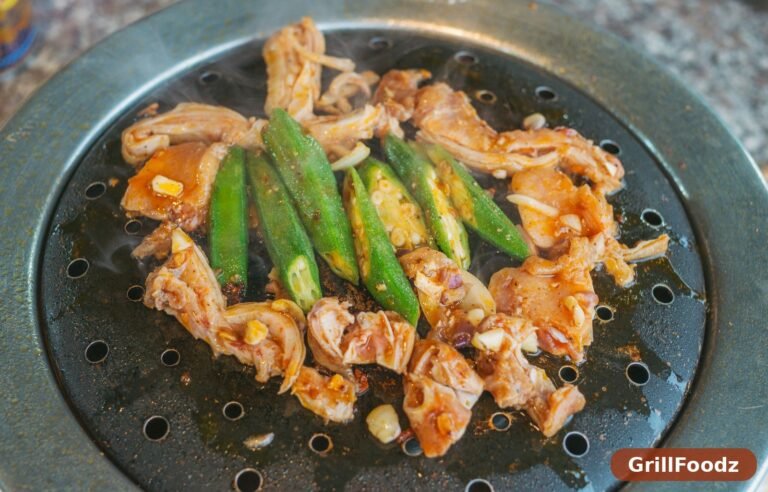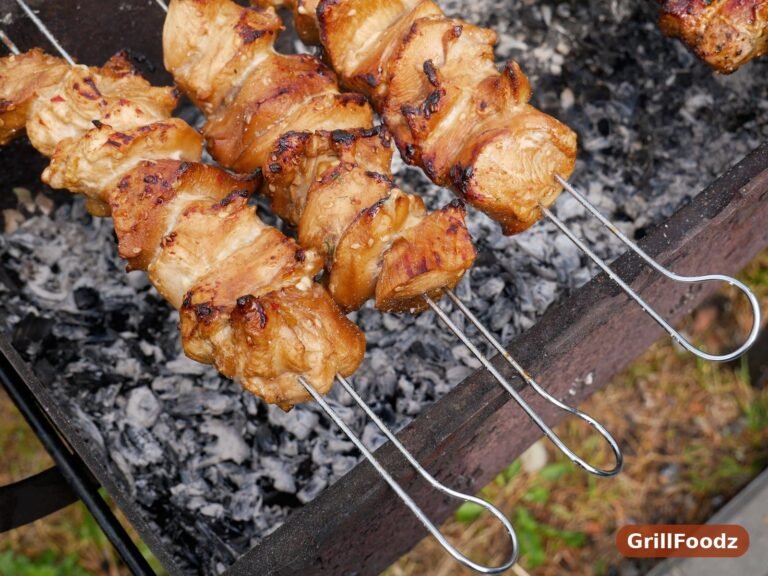
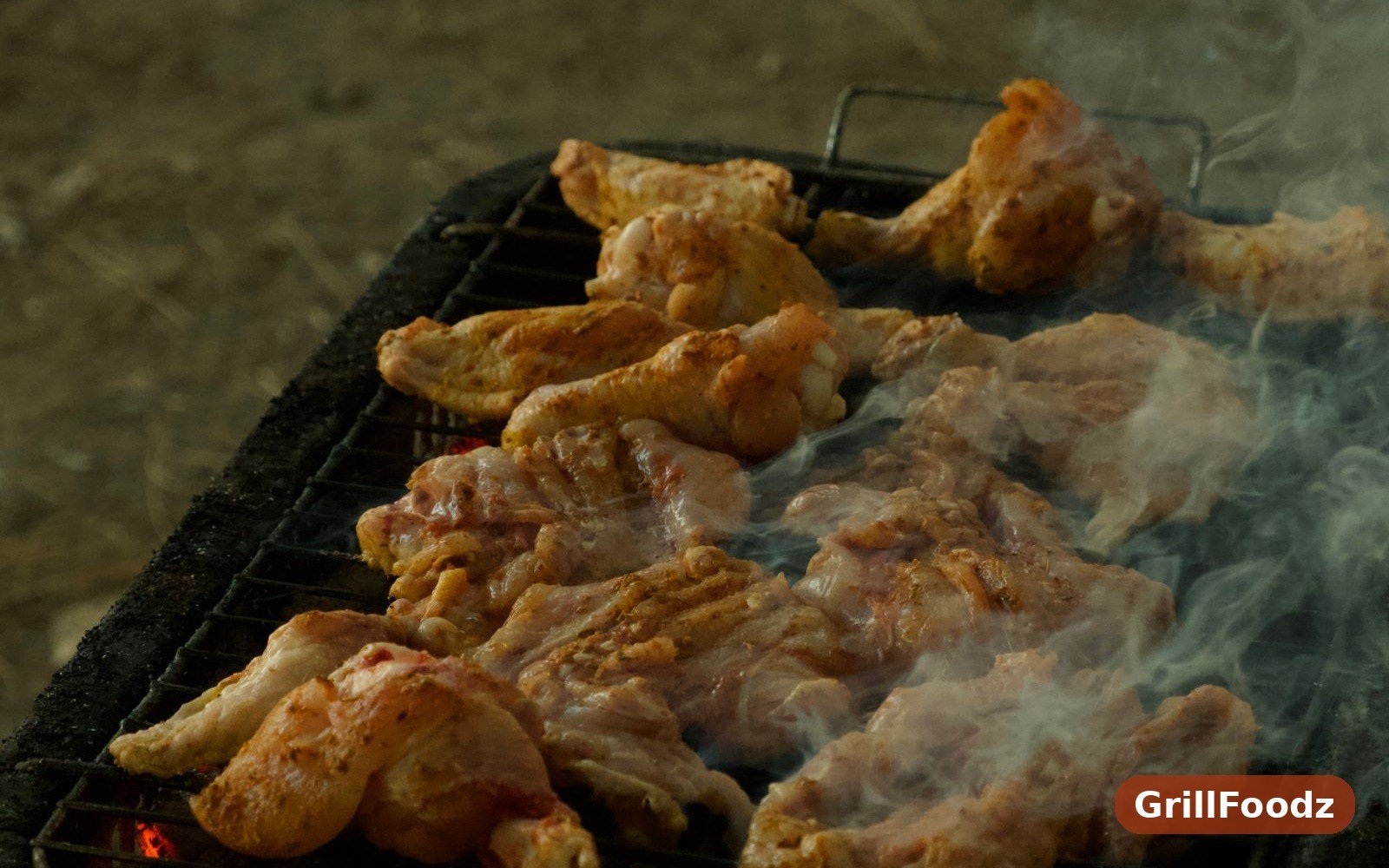
Charcoal-Grilled Chicken Legs with Smoky Paprika Rub
There is a particular smell that means summer to me, and it is not cut grass or sunscreen. It is charcoal catching, that first thin ribbon of smoke curling up from the grill, and the smell of chicken fat dripping onto hot coals. The first time I cooked chicken legs over charcoal, I was nineteen, at a friend’s garden party, and I had no idea what I was doing. I had bought a bag of chicken legs, a jar of paprika, and a bag of charcoal, and I figured that was enough. The legs came out a little charred on the outside and a little pink near the bone, and I was quietly horrified. But my friends ate them anyway, and one of them, who had been grilling since he was a kid, showed me what I had done wrong: the fire was too hot, the chicken went straight over the coals, and I kept moving it around instead of letting it cook.
That lesson stuck with me, and over the years charcoal-grilled chicken legs have become one of my favourite things to cook. There is something deeply satisfying about cooking over real fire. The smoke gets into the meat in a way that gas never quite manages, the skin goes crisp and dark at the edges, and the whole process feels slower and more deliberate. You cannot rush charcoal. You light it, you wait, you spread the coals, and then you cook. It forces you to slow down, and on a summer evening, that is exactly the point.
The paprika rub is what makes these legs special. Smoked paprika is one of the best spices you can own if you like barbecue food. It brings a deep, warm, smoky flavour that tastes like the chicken has been cooking over wood for hours, even when it has only been on the grill for half an hour. Mixed with garlic, onion, brown sugar, and a little cayenne, it forms a crust on the skin that goes dark and crisp in the heat, while the meat underneath stays juicy. It is a simple rub — five minutes to mix, no marinating required — and it turns a cheap cut of chicken into something people remember.
Chicken legs are also one of the most forgiving cuts you can grill. They have bones, which help them cook evenly, and they have enough fat under the skin to keep the meat moist even if your fire is a little hotter than you planned. They are cheap, they feed a crowd, and they are easy to eat with your hands, which is half the fun of a barbecue. If you have ever been nervous about grilling chicken, legs are the place to start, because they give you room to learn without punishing every small mistake.
Why You’ll Love This Recipe
First of all, it is simple. The rub takes five minutes to mix from spices you probably already have in the cupboard, and there is no marinating, no brining, and no complicated technique. You rub the chicken, you light the charcoal, you grill. That is the whole job. I have made these on evenings when I got home late and did not want a fussy dinner, and they have never let me down. The simplicity is part of the charm — this is barbecue food at its most honest, and it does not need anything fancy to taste wonderful.
The flavour is the real reason this recipe earns its place in the regular rotation. Smoked paprika brings a deep, woody smokiness that tastes like proper barbecue, the garlic and onion add savoury depth, the brown sugar helps the skin caramelise and crisp, and the cayenne adds a gentle warmth at the back of your throat. When the chicken cooks over charcoal, the smoke adds another layer on top of all of that, and the dripping fat flares up just enough to char the edges of the skin. The result is chicken that tastes smoky, savoury, a little sweet, and a little spicy all at once.
It is also a brilliant recipe for feeding a crowd without spending a fortune. Chicken legs are one of the cheapest cuts of chicken you can buy, and they feed a lot of people for very little money. I have cooked twenty legs for a garden party, and the whole lot cost less than a single steak. They scale up easily — just make more rub and use a bigger grill — and they hold well in a warm oven while everyone finds their seat. If you are hosting a barbecue and you want to feed a lot of people well without breaking the bank, this is the recipe to reach for.
Finally, this is a recipe that teaches you how to grill properly. Cooking chicken legs over charcoal teaches you about fire management, about direct and indirect heat, about patience, and about trusting a thermometer instead of guessing. Once you can grill chicken legs well, you can grill almost anything. If you are just starting out with charcoal, these beginner charcoal grilling recipes for chicken are a good companion to this recipe, and they will help you get comfortable with your grill before you tackle a full batch of legs.
Ingredients You’ll Need
- 8 chicken legs (drumsticks), about 1.2 kg (2 1/2 lbs)
- 2 tablespoons smoked paprika
- 1 tablespoon sweet paprika
- 1 tablespoon garlic powder
- 1 tablespoon onion powder
- 1 tablespoon brown sugar
- 1 teaspoon ground cumin
- 1 teaspoon dried oregano
- 1/2 teaspoon cayenne pepper (adjust to taste)
- 1 1/2 teaspoons fine sea salt
- 1 teaspoon black pepper, freshly ground
- 2 tablespoons olive oil
- 1 lemon, cut into wedges, for serving
- Fresh parsley, chopped, for garnish
- Charcoal and firelighters, for the grill
How to Make Charcoal-Grilled Chicken Legs with Smoky Paprika Rub
Start by making the rub, because it is the heart of this recipe. In a small bowl, mix together the smoked paprika, sweet paprika, garlic powder, onion powder, brown sugar, cumin, oregano, cayenne, salt, and black pepper. Stir it well until the colour is even — it should be a deep, rusty red, and it should smell warm and smoky. Taste a tiny pinch on your fingertip. It should taste savoury and smoky with a little sweetness and a gentle heat at the back. If you want it spicier, add another half teaspoon of cayenne. If you want it sweeter, add a little more brown sugar. This is your rub, so make it taste the way you like it.
Take the chicken legs out of the fridge and pat them very dry with paper towels, top and bottom. Dry skin is the secret to crisp skin, and any moisture left on the surface will just steam on the grill instead of browning. Drizzle the olive oil over the legs and rub it in with your hands, then sprinkle the rub generously over every leg, turning them as you go so every side is coated. Really work the rub into the skin with your fingers, and get it into the little folds and creases where the skin meets the meat. If you have time, let the rubbed legs sit at room temperature for twenty to thirty minutes while you light the grill. The rub will settle into the skin, and the chicken will cook more evenly because it is not ice-cold when it hits the heat.
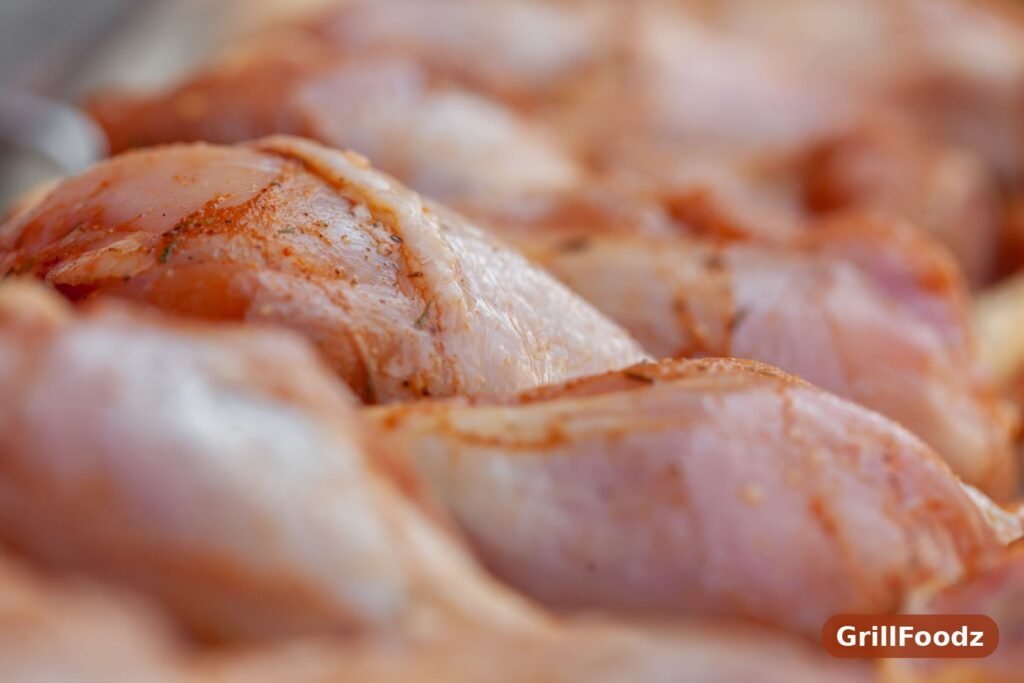
Now light the charcoal. This is the part that takes patience, and it is worth doing properly. Pile the charcoal on one side of the grill, light it with firelighters, and leave the lid off and the vents open. It will take about twenty to twenty-five minutes for the coals to be ready. You are looking for coals that are covered in a thin layer of white-grey ash, with a steady orange glow underneath. Once they are ready, spread the coals into two zones: a hot direct zone on one side, where the coals are piled two layers deep, and a cooler indirect zone on the other side, where there are few or no coals. This two-zone setup is the key to grilling chicken legs well, because it lets you sear the skin over direct heat and then finish cooking the meat gently over indirect heat.
Place the chicken legs skin-side down over the direct heat zone and grill for about five to six minutes, until the skin is golden brown and has good grill marks. Do not move them around during this time — let them sit and sear. If you get a flare-up from dripping fat, slide the legs over to the indirect zone for a moment until the flames die down, then move them back. Flare-ups are normal with chicken legs, because the fat renders and drips onto the coals, but you do not want the skin to burn. Once the skin is nicely browned, flip the legs over and sear the other side for another four to five minutes.
Now move the legs to the indirect heat zone, skin-side up, and put the lid on the grill. This is where the gentle cooking happens. The legs need about twenty to twenty-five minutes over indirect heat, with the lid on and the vents about half open, until they are cooked all the way through. Turn them once halfway through so they cook evenly. The safest way to check is with a meat thermometer pushed into the thickest part of the leg, away from the bone — you want it to read 74°C (165°F). If you do not have a thermometer, cut into the thickest leg and check that the juices run clear and the meat near the bone is no longer pink. For more on keeping grilled chicken juicy and safe, the grilled chicken wings without deep frying guide shares the same temperature rules that apply here.
When the legs are done, take them off the grill and let them rest for five minutes before serving. Resting lets the juices redistribute through the meat, and it is the difference between chicken that is good and chicken that is properly juicy. Scatter over the chopped parsley, tuck the lemon wedges around the platter, and serve while the skin is still crisp. A squeeze of lemon over the hot chicken just before eating lifts the smoky flavours beautifully.
Tips for Perfect Charcoal-Grilled Chicken Legs
The single most important tip is to set up two heat zones. This is the difference between chicken legs that are burnt on the outside and raw near the bone, and chicken legs that are crisp, juicy, and cooked all the way through. Direct heat is for searing the skin. Indirect heat is for cooking the meat gently. If you put the legs straight over a screaming hot fire and leave them there, the skin will burn long before the meat near the bone is done. Two zones give you control, and control is everything when you are grilling over charcoal.
Learn to manage flare-ups calmly. Chicken legs drip fat, fat hits hot coals, and flames shoot up. It happens to everyone, and it is not a disaster. The trick is to have the indirect zone ready so you can slide the legs away from the flames for a few seconds until they die down, then move them back. Never spray water on a charcoal grill to control a flare-up — it makes a mess, kicks up ash onto the food, and can crack the grill. Just move the chicken, wait, and carry on. If your grill has a lid, closing it briefly will also starve the flames of oxygen.
Use a thermometer. I know I say this in every chicken recipe, but it matters even more with bone-in legs, because the meat near the bone is the last part to cook through, and it is very hard to judge by looking at the outside. A quick-read thermometer takes the guesswork out of it and means you will never serve undercooked chicken or overcook it into dryness out of caution. The target is 74°C (165°F) in the thickest part, away from the bone. If you cook chicken often, a thermometer is one of the most useful tools you can own, and it costs less than a single ruined batch of chicken.
Do not keep moving the chicken around. I know it is tempting to fiddle with it, to turn it every minute, to check it constantly, but every time you move it, you lose heat and you stop the skin from crisping. Put it down, leave it alone for five minutes, then turn it once. Let the grill do its work. The same goes for the lid — once the legs are over indirect heat, put the lid on and leave it on, apart from one turn halfway through. Every time you lift the lid, you lose heat and add cooking time. For a rub variation that works beautifully on legs, this homemade barbecue chicken rub without sugar is a great alternative when you want smoky flavour without the sweetness.
Finally, let the coals get properly ready before you start cooking. This is the mistake I made at that first garden party, and it is the mistake I see most often. If you put chicken on coals that are still black and smoking, you will get bitter, acrid smoke and uneven heat. Wait until the coals are covered in white-grey ash and glowing steadily underneath. It takes twenty to twenty-five minutes, and it feels like a long time when you are hungry, but it is the difference between good barbecue and bad barbecue. Use the waiting time to finish the rub, set the table, and pour yourself a cold drink.
Variations to Try
Once you have the basic rub down, there are plenty of ways to change it up. For a spicier version, double the cayenne and add a teaspoon of chilli flakes. The extra heat works beautifully against the sweetness of the brown sugar, and it gives the skin a gorgeous deep colour. Serve the spicy legs with a cooling yoghurt dip or a simple coleslaw to balance the heat, and you have a barbecue dish that adults will love and kids will approach with caution.
For a herby version, add a tablespoon of dried thyme and a teaspoon of dried rosemary to the rub, and finish the legs with a squeeze of lemon and a scattering of fresh herbs. The herbs go wonderfully with the smoke from the charcoal, and the whole dish tastes almost Mediterranean. For more chicken inspiration, the Jamie Oliver chicken recipes collection is worth a look. You can also try a mustard-based variation: mix a tablespoon of Dijon mustard into the olive oil before rubbing the chicken, which adds a tangy depth and helps the rub stick even better.
If you want a sweeter, stickier finish, brush the legs with a little honey or barbecue sauce during the last five minutes of cooking. The sugars will caramelise on the skin and give you a glossy, sticky finish. Just do not brush it on too early, or it will burn. For a smokier variation, throw a handful of soaked wood chips — hickory or applewood work well — onto the coals before you put the lid on. The extra smoke adds a whole new layer of flavour. And if you do not have a charcoal grill, this recipe works on a gas grill too, using the same two-zone setup. You will miss a little of the charcoal smoke, but the rub still does most of the work. For a no-marinade approach that works on any grill, these grilled chicken recipes without a marinade use the same dry-rub idea.
Serving Ideas
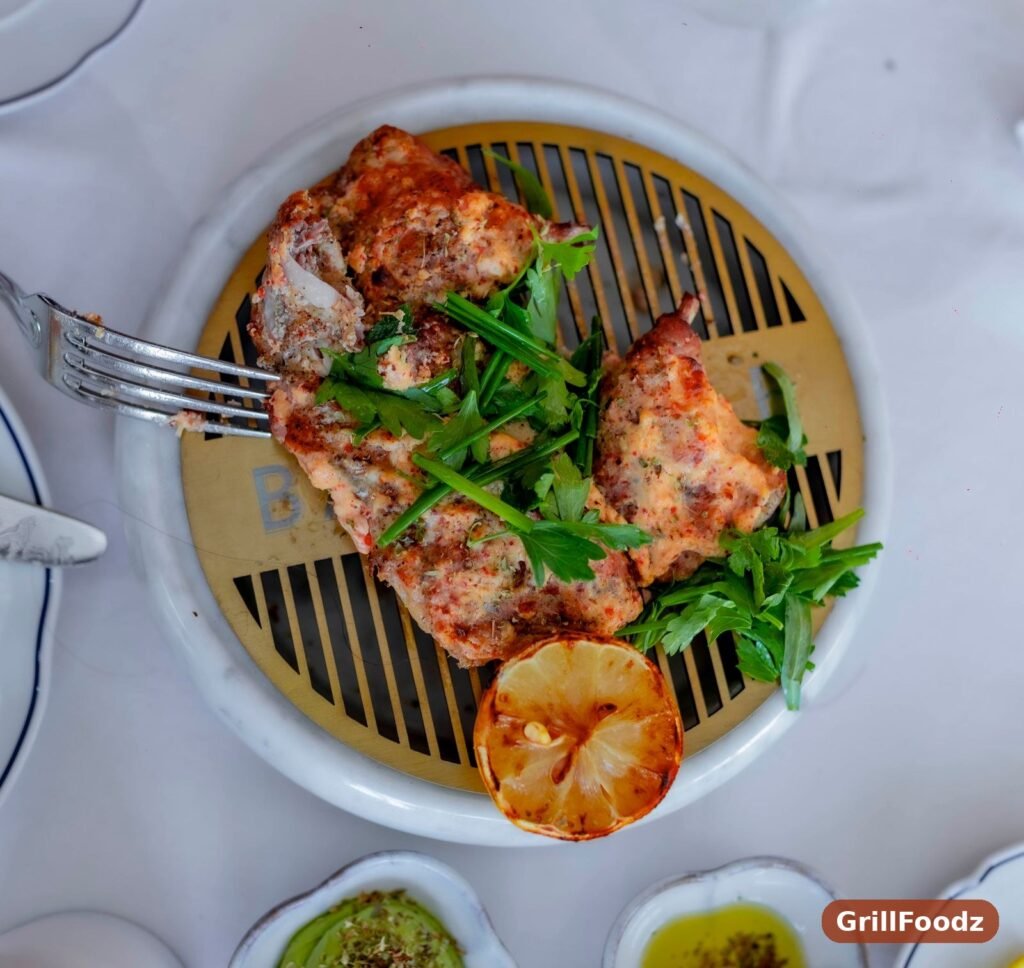
The classic way to serve charcoal-grilled chicken legs is on a big platter, with the lemon wedges and parsley scattered over the top, and a pile of sides on the table for people to help themselves. Corn on the cob is the obvious partner — grill it alongside the chicken, brush it with butter, and sprinkle it with a little of the leftover rub. Coleslaw adds crunch and coolness, baked beans add sweetness, and a big green salad keeps things fresh. It is a proper barbecue spread, and it feeds a crowd without much effort. For more barbecue inspiration, the BBC Good Food barbecue recipes collection has plenty of ideas for the grill.
For a weeknight dinner, serve two legs per person with roasted potatoes and steamed green beans, or with a simple rice pilaf and a cucumber salad. The legs are filling enough that you do not need a lot alongside them, and the smoky flavours work with almost any side. I also love serving them with flatbreads and a yoghurt and herb dip, so people can pull the meat off the bone and build their own wraps. It is relaxed, it is fun, and it means less washing up, because there are no knives and forks to worry about.
If you are feeding kids, the legs go down a treat with chips and a little extra barbecue sauce on the side for dipping. The sweet and smoky rub is familiar enough that even picky eaters tend to like it, and eating with your hands makes dinner feel like an adventure rather than a chore. For a more grown-up spread, add grilled asparagus, a grain salad, or some garlicky sautéed spinach. And do not forget the cold drinks — something citrusy, like lemonade or a cold beer, is perfect with the smoky, spicy flavours.
For a picnic version, let the legs cool completely, wrap them in foil, and pack them with a salad and some crusty bread. They are excellent cold, and they travel well. Just remember to keep them in a cool bag and eat them within a couple of hours of cooking if you are eating outdoors in warm weather.
Storage and Reheating
Leftover charcoal-grilled chicken legs keep really well, which is one of the reasons I often cook a few extra on purpose. Let the legs cool completely, then store them in an airtight container in the fridge for up to four days. The skin will soften in the fridge, which is normal, but the meat stays juicy, and the smoky flavour actually deepens overnight. The chicken is lovely cold, pulled off the bone into sandwiches, wraps, or salads, and I often pack it for lunch the next day exactly like that.
To reheat, the oven is your best option. Place the legs in a baking dish, add a splash of water or chicken stock to keep them moist, cover loosely with foil, and warm them in a 180°C (350°F) oven for fifteen to twenty minutes until heated through. Take the foil off for the last five minutes and pop them under the grill briefly if you want the skin to crisp up again. The microwave works in a pinch — about two minutes on medium power — but the skin will go soft, so the oven is worth the extra few minutes when you have them.
For longer storage, these legs freeze well. Wrap each cooled leg individually in cling film, then pop them into a freezer bag with the air pressed out, and label with the date. They will keep for up to three months. Thaw overnight in the fridge before reheating, and never refreeze chicken once it has been thawed. If you want to bring back a little of the smoky char, reheat them on a hot grill for a few minutes after they have warmed through in the oven.
Frequently Asked Questions
How do I stop chicken legs from burning on a charcoal grill?
The two-zone setup is the answer. Sear the skin quickly over direct heat, then move the legs to the indirect zone to finish cooking gently with the lid on. If you get a flare-up, slide the legs away from the flames until it dies down. Never leave legs over a screaming hot fire for the whole cook — the skin will burn long before the meat near the bone is done. A moderate fire and a little patience will give you crisp skin and juicy meat every time.
How long do chicken legs take on a charcoal grill?
Plan on about thirty to thirty-five minutes in total. That breaks down to roughly ten minutes of searing over direct heat, five to six minutes on each side, and then twenty to twenty-five minutes over indirect heat with the lid on. The exact time depends on the size of the legs and the heat of your grill, so use a meat thermometer to check. You are looking for 74°C (165°F) in the thickest part, away from the bone. Bigger legs may need a few extra minutes, and smaller ones may cook a little faster.
Do I need to marinate the chicken legs first?
No, and that is one of the best things about a dry rub. The rub goes straight onto the chicken and onto the grill, with no marinating time required. If you do have an extra half hour, letting the rubbed legs sit at room temperature while the coals get ready will help the flavour settle into the skin, but it is a bonus rather than a necessity. The rub works immediately, and the smoke from the charcoal adds flavour as the chicken cooks. If you prefer a marinade, though, the chicken will happily sit in a marinade for a few hours in the fridge.
Can I make this recipe on a gas grill?
Yes, absolutely. Set up the same two zones: one burner on high for direct heat, and one burner on low or off for indirect heat. Sear the legs over the hot burner, then move them to the cooler side, close the lid, and finish cooking gently. You will miss a little of the charcoal smoke, but the paprika rub still brings plenty of smoky flavour. If you want extra smoke on a gas grill, you can use a smoker box with wood chips, or wrap soaked chips in a foil parcel with holes poked in the top and place it on the burner.
What is the best charcoal to use?
Lumpwood charcoal burns hotter and cleaner than briquettes, and it gives a lovely natural smoke flavour, but it burns faster and less evenly. Briquettes burn longer and more steadily, which makes them easier to manage for a longer cook like chicken legs. Either works well for this recipe. Avoid self-lighting charcoal, because it is soaked in chemicals that can give the food a bitter, petrol-like taste. Use plain charcoal and firelighters, and let the coals get properly ashed over before you start cooking.
Can I use this rub on other cuts of chicken?
Yes, and it works beautifully on wings, thighs, and even a whole spatchcocked chicken. For wings, reduce the cooking time to about twenty to twenty-five minutes in total, because they are smaller and cook faster. For thighs, the timing is very similar to legs. For a whole chicken, double the rub, spatchcock the bird so it lies flat, and cook it over indirect heat for about forty-five to fifty minutes. The rub also works well on pork chops and ribs, so do not be afraid to try it beyond chicken.