One-Pan BBQ Pulled Pork and Beans Skillet
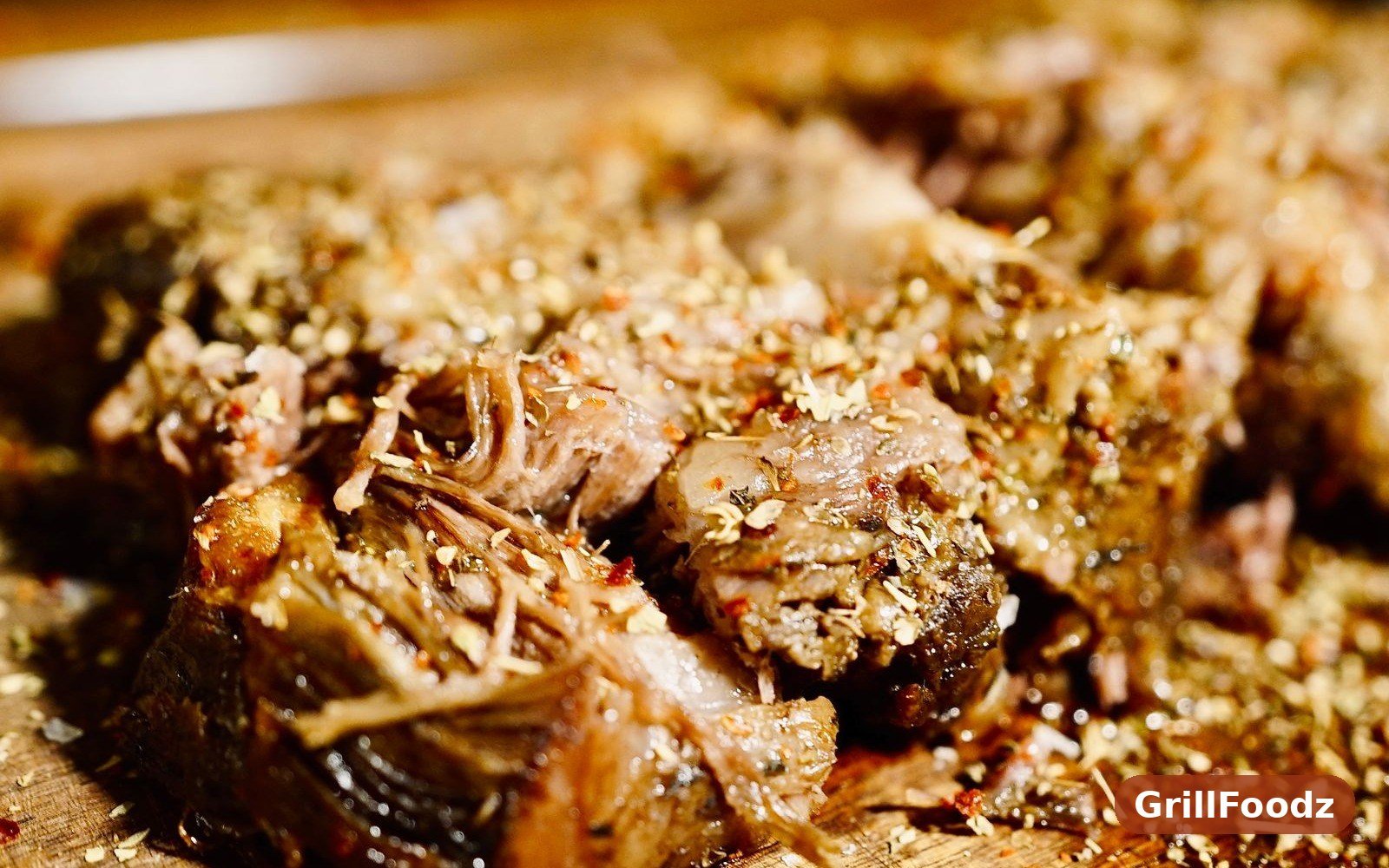
There are some dinners that taste like a weekend barbecue even when they are cooked on a Tuesday night in one pan on the hob, and this BBQ pulled pork and beans skillet is one of them. Tender, smoky pulled pork, simmered in a rich barbecue sauce with beans, onions, and peppers, all in a single skillet, ready in about half an hour. No slow cooker, no smoker, no grill, and no pile of washing up. Just a hearty, satisfying dinner that makes the whole kitchen smell like a cookout.
I first made this on a night when I had leftover pulled pork in the fridge from a weekend barbecue and a tin of beans in the cupboard, and I needed to turn them into dinner without much thought. I threw the pork into a hot skillet with onion and peppers, poured over some barbecue sauce, added the beans, and let the whole thing simmer until the sauce had thickened and the flavours had come together. It was so good that I started making it from scratch, with pork shoulder cooked quickly in the skillet or with shop-bought pulled pork when I am short on time. Either way, it is a dinner that feels generous and comforting, and it always gets eaten.
The secret to this dish is the sauce. A good barbecue sauce, simmered gently with the pork and beans, thickens into a rich, glossy coating that clings to every piece of meat and every bean. The beans soak up the smoky flavour, the onions soften and sweeten, and the whole skillet comes together into something that tastes like it has been cooking for hours, when in fact it has been on the hob for twenty minutes. A little brown sugar, a little vinegar, and a pinch of smoked paprika make the sauce taste homemade even when you start with a jar.
What I love most about this recipe is how useful it is. It works as a main dish with cornbread and coleslaw, it works piled onto baked potatoes, it works in sandwiches and wraps, and it works as a filling for tacos and nachos. It is a great way to use up leftover pulled pork, and it is a great way to feed a crowd without much effort. If you have ever wanted a barbecue dinner without the barbecue, this is the recipe to keep in your back pocket.
Why You’ll Love This Recipe
The first reason is that it is a one-pan dinner, and one-pan dinners are the best kind of weeknight cooking. Everything goes into a single skillet, the flavours come together in the same pan, and the only washing up is the skillet itself. On a busy evening, when the day has already been long and the last thing you want is a sink full of pots, that matters more than any fancy technique. It is the kind of recipe that makes cooking feel easy rather than like another chore.
The second reason is the flavour. Smoky barbecue sauce, tender pulled pork, creamy beans, sweet onions, and a little heat from the peppers come together into a dish that is rich, savoury, and deeply satisfying. The pork soaks up the sauce as it simmers, the beans add a creamy texture, and the onions and peppers add sweetness and a little bite. A squeeze of lime or a splash of vinegar at the end lifts the whole dish and stops it from feeling heavy. If you enjoy smoky barbecue flavours, you will love this homemade BBQ sauce without ketchup, which is a lovely way to make the sauce for this skillet from scratch.
Speed is another reason this recipe earns its place in the regular rotation. If you start with leftover pulled pork or shop-bought pulled pork, the whole dish is ready in about twenty-five minutes. If you start with raw pork shoulder, it takes a little longer, but it is still a straightforward recipe that does not ask much of you. There is no marinating, no preheating an oven, and no complicated steps. It is a simple, honest recipe that delivers a lot of flavour for very little effort.
Finally, this recipe is wonderfully flexible. It works with leftover pulled pork, shop-bought pulled pork, or pork shoulder cooked in the skillet. You can use pinto beans, kidney beans, black beans, or baked beans, and you can add corn, peppers, or jalapeños. It scales up easily for a crowd, it reheats well the next day, and it works in sandwiches, tacos, baked potatoes, and nachos, so one pan of pork and beans can be four different dinners. It is a recipe that fits into real life without any fuss, and it is one that people ask for by name once they have tried it.
Ingredients You’ll Need
- 500 g (1 lb) cooked pulled pork, shredded (leftover or shop-bought)
- 1 tablespoon olive oil or vegetable oil
- 1 medium onion, finely chopped
- 1 red pepper, deseeded and diced
- 1 green pepper, deseeded and diced
- 3 cloves garlic, finely minced
- 400 g (14 oz) tin pinto beans, drained and rinsed
- 400 g (14 oz) tin kidney beans, drained and rinsed
- 240 ml (1 cup) barbecue sauce, plus more to taste
- 2 tablespoons tomato paste
- 1 tablespoon brown sugar
- 1 tablespoon apple cider vinegar
- 1 teaspoon smoked paprika
- 1/2 teaspoon ground cumin
- 1/2 teaspoon chilli powder
- 1/2 teaspoon fine sea salt, plus more to taste
- 1/4 teaspoon black pepper, freshly ground
- 120 ml (1/2 cup) chicken or beef stock
- 2 tablespoons fresh parsley or coriander, chopped, for serving
- 1 spring onion, thinly sliced, for serving
- Lime wedges, for serving
How to Make One-Pan BBQ Pulled Pork and Beans Skillet
Start by getting everything ready, because once the skillet is hot, this recipe moves quickly. Shred the pulled pork into bite-sized pieces if it is not already shredded, and set it aside. Chop the onion, dice the peppers, and mince the garlic, so everything is ready to go when you need it. Drain and rinse the beans, and put them in a bowl near the hob. If you are using shop-bought pulled pork, check whether it is already sauced, because if it is, you will need less barbecue sauce than the recipe calls for. Taste the pork before you start, and adjust the sauce to suit.
Heat the oil in a large, deep skillet over medium-high heat. When the oil is hot and shimmering, add the onion and peppers, with a pinch of salt, and cook them for five to six minutes, stirring often, until the onion has softened and turned translucent and the peppers have started to soften. Scrape the bottom of the pan as you stir, because any browned bits left behind are full of flavour. Add the garlic and cook for one more minute, until it smells fragrant. Then add the tomato paste, smoked paprika, cumin, and chilli powder, and stir everything together for a minute until the paste has darkened slightly and the whole pan smells smoky and rich.
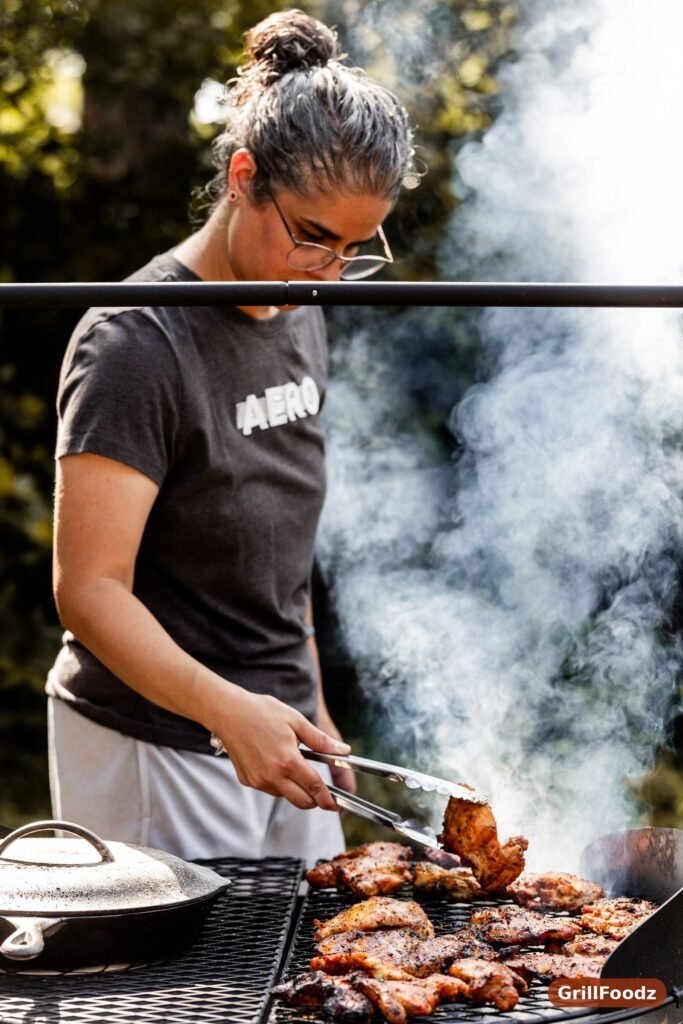
Add the pulled pork to the pan and stir it through the onions and peppers, letting it warm through for two to three minutes. The pork should start to pick up a little colour at the edges, which adds a lovely caramelised flavour. Pour in the barbecue sauce, the stock, the brown sugar, and the apple cider vinegar, and stir everything together until the pork is evenly coated in sauce. Bring the pan to a gentle simmer, then turn the heat down to medium-low. Let it simmer for ten minutes, stirring every few minutes, until the sauce has thickened slightly and the flavours have come together. If the sauce looks too thick, add a splash more stock. If it looks too thin, let it simmer for a few minutes longer.
Add the beans to the pan and stir them through gently, so they do not break up. Let the skillet simmer for another eight to ten minutes, until the beans are heated through and the sauce has thickened into a rich, glossy coating that clings to the pork and beans. Taste the skillet and adjust the seasoning: a little more salt if it tastes flat, a little more brown sugar if you want it sweeter, a little more vinegar if you want it tangier, or a little more barbecue sauce if you want it richer. The sauce should be thick enough to coat a spoon, but not so thick that it is dry. If you want more ideas on barbecue sauces, the BBC Good Food BBQ pulled pork recipe is a lovely reference for the flavours that work best with pork.
Take the skillet off the heat and let it rest for five minutes. This resting time matters, because it lets the sauce thicken a little more and the flavours settle. Scatter over the chopped parsley and spring onion, and serve straight from the skillet, family-style, with lime wedges on the side. A squeeze of lime over the hot pork and beans lifts the smoky flavours and gives the dish a finished feel. Serve it while it is still hot, because the sauce thickens as it cools, and this dish is at its best when it is warm and glossy.
Tips for Perfect BBQ Pulled Pork and Beans
The most important tip is to taste the pork and the sauce before you add extra seasoning. Pulled pork varies a lot: some is already well seasoned and sauced, some is plain and needs more help. Barbecue sauces vary too, some sweet, some tangy, some smoky. Taste the pork, taste the sauce, and then decide how much extra sugar, vinegar, and salt you need. Adding a little at a time and tasting as you go is far better than adding everything at once and hoping for the best. It takes a minute, and it is the difference between a good skillet and a great one.
Do not rush the simmer. The ten minutes of simmering after you add the sauce, and the eight to ten minutes after you add the beans, are when the flavours come together. The pork absorbs the sauce, the beans soak up the smoky flavour, and the sauce thickens into a rich coating. If you rush this step, the dish will taste like pork with sauce poured over it, rather than pork and beans cooked in sauce, and the difference is noticeable. Keep the heat low and gentle, stir every few minutes, and give the skillet time to do its work. For another smoky barbecue dish that rewards a gentle simmer, these juicy grilled burgers without breadcrumbs are a natural partner on the same table.
Use beans that hold their shape. Pinto beans and kidney beans are ideal, because they are creamy inside but firm enough to hold up to simmering without falling apart. Black beans work well too, though they are a little softer, so add them gently and do not stir too vigorously. Baked beans, straight from the tin, are a shortcut that works in a pinch, but they are already sweet and sauced, so use less barbecue sauce and less brown sugar if you go that route. Whatever beans you use, drain and rinse them well, because the liquid in the tin is starchy and can make the sauce gloopy.
Finally, do not skip the vinegar and the lime. Barbecue sauce is rich and sweet, and without a little acidity, the dish can feel heavy and one-note. A tablespoon of apple cider vinegar in the sauce, and a squeeze of lime over the top before serving, lifts the whole dish and makes the smoky flavours taste brighter. It is a small addition that makes a big difference, and it is the finishing touch I never skip. If the skillet tastes flat, it is almost always acidity that is missing, not salt.
Variations to Try
The easiest variation is to change the beans. Black beans, cannellini beans, and butter beans all work well, and a mix of two or three types adds colour and texture. You can also add a tin of sweetcorn, stirred in with the beans, which adds sweetness and a pop of colour. A diced jalapeño, cooked with the onion, adds heat, and a handful of chopped chipotle peppers in adobo adds smoke. The skillet is a forgiving base, so feel free to use whatever you have in the cupboard.
You can also change the meat. Leftover roast pork, shredded, works beautifully. Pulled chicken, made the same way as pulled pork, is a lighter alternative that cooks faster. Beef brisket, shredded, makes a richer, more indulgent version that is wonderful for a special occasion. And for a vegetarian version, leave the pork out entirely and use three tins of beans with an extra pepper and a handful of mushrooms, cooked in the same smoky sauce. The beans are hearty enough to carry the dish on their own, and the sauce is rich enough to make it feel satisfying.
For a spicier version, add a teaspoon of chipotle powder and half a teaspoon of cayenne to the spice mix, and finish with a drizzle of hot sauce. For a sweeter version, add an extra tablespoon of brown sugar and a tablespoon of honey, which gives the sauce a sticky, caramelised quality that is wonderful with cornbread. For a smokier version, add a teaspoon of liquid smoke or an extra teaspoon of smoked paprika, and use a smoky barbecue sauce. And if you want to make the skillet into a complete meal in one pan, stir in a handful of baby spinach at the end, or serve it over rice. For more on smoky rubs and seasonings, this homemade BBQ chicken rub without sugar is a lovely spice blend that works well on pork too.
Serving Ideas
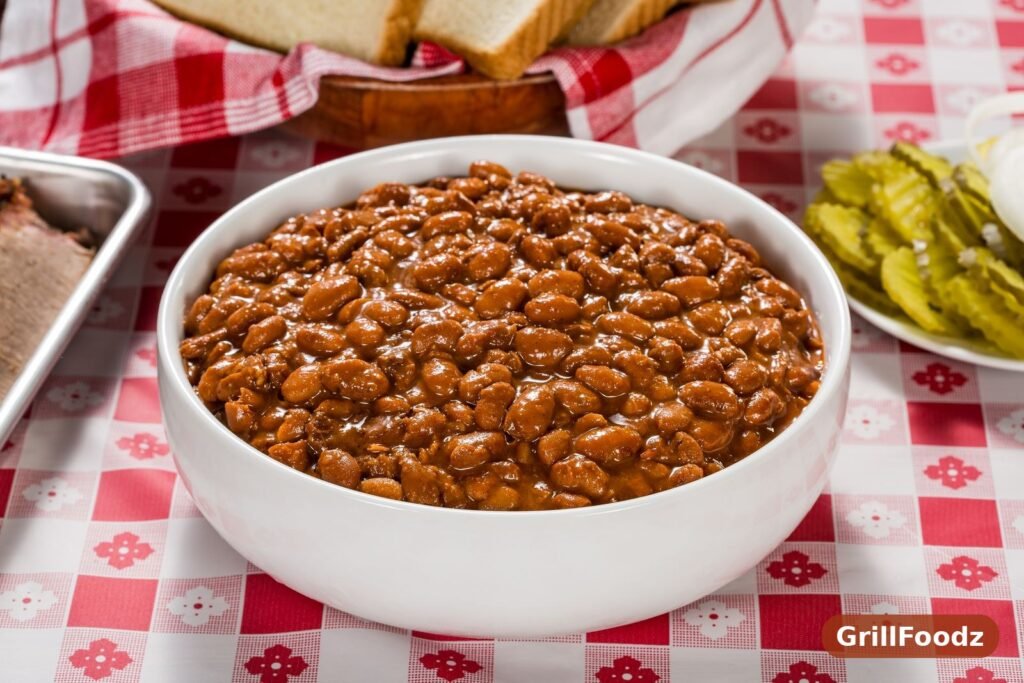
The classic way to serve this skillet is with cornbread and coleslaw, and honestly, there is a reason that combination has lasted so long. The cornbread soaks up the sauce, the coleslaw adds crunch and freshness, and the whole plate feels like a proper barbecue dinner. I like to serve the skillet family-style, in the middle of the table, with a basket of warm cornbread and a big bowl of coleslaw, so people can help themselves. A few pickles on the side add a tangy crunch that cuts through the richness.
It also works brilliantly piled onto baked potatoes. Split a hot baked potato, spoon the pork and beans over the top, add a dollop of sour cream and a scattering of spring onions, and you have a complete meal that is hearty and satisfying. The potato soaks up the sauce, and the cool sour cream balances the smoky heat. I often make baked potatoes when I have leftover pork and beans, because it turns a leftover into a dinner that feels completely different.
For something more casual, serve the pork and beans in sandwiches, wraps, or tacos. Pile the pork and beans into a soft bun with coleslaw and pickles for a barbecue sandwich, roll it into a warm tortilla with cheese and sour cream for a wrap, or spoon it into taco shells with shredded cabbage and lime for a quick taco night. The pork and beans also make a wonderful topping for nachos: spread tortilla chips on a baking sheet, spoon over the pork and beans, scatter over grated cheese, and bake until the cheese has melted. And if you are looking for another barbecue main to serve alongside it, this BBQ chicken without a grill is a natural partner on the same table.
Storage and Reheating
Leftover BBQ pulled pork and beans keep in the fridge for up to four days in an airtight container. Let the skillet cool completely before you put the lid on, and store it in a single container so the pork and beans stay coated in sauce. The flavours actually improve overnight, as the pork and beans have more time to absorb the sauce, so leftovers are often even better than the fresh dish. I often make a double batch on purpose, so I have lunches for the week.
To reheat, the hob is the best option. Put the pork and beans in a pan over low heat, add a splash of stock or water, and stir gently until it is heated through and the sauce is glossy again. The microwave works too: reheat in short bursts on medium power, stirring between each burst, and add a splash of water if it looks dry. Avoid reheating on high heat, because the sauce can catch and burn. Low and slow is the way to go, and it only takes a few minutes.
This skillet freezes beautifully, which is one of the reasons I love making it. Let it cool completely, then portion it into freezer bags or containers, label with the date, and freeze for up to three months. Thaw overnight in the fridge before reheating, and never refreeze pork once it has been thawed. If you freeze the pork and beans in individual portions, they make a quick and easy lunch or dinner on a busy night, and they reheat well in the microwave or on the hob with a splash of stock.
Frequently Asked Questions
Can I use shop-bought pulled pork for this recipe?
Yes, and it is a great shortcut. Shop-bought pulled pork, either from the chilled aisle or a vacuum pack, works well in this skillet, and it makes the whole dish ready in about twenty-five minutes. Check whether the pork is already sauced, because if it is, you will need less barbecue sauce than the recipe calls for. Taste the pork before you start, and adjust the sauce, sugar, and vinegar to suit. If the pork is plain, follow the recipe as written.
Can I make this skillet with raw pork shoulder?
Yes, but it will take longer. Cut boneless pork shoulder into large chunks, season it well, and brown it in the skillet before you add the onions and peppers. Then add the sauce and stock, put the lid on, and simmer gently for an hour and a half to two hours, until the pork is tender enough to shred with two forks. Shred the pork in the pan, add the beans, and simmer for another ten minutes. It is a longer cook, but the result is wonderful, and the pork will be even more tender than shop-bought pulled pork.
What beans work best in this skillet?
Pinto beans and kidney beans are my first choice, because they are creamy inside but firm enough to hold their shape when simmered. Black beans work well too, though they are a little softer, so stir them gently. Cannellini beans and butter beans are also good options. Avoid beans that are very soft, like baked beans, unless you are using them as a shortcut, in which case use less barbecue sauce and less brown sugar. Whatever beans you use, drain and rinse them well before you add them to the pan.
Is this recipe very spicy?
No, it has a gentle warmth rather than a fierce heat. The chilli powder and smoked paprika give the skillet a smoky warmth, but the barbecue sauce, brown sugar, and beans keep it mild and balanced. Most people, including children, find it pleasant rather than hot. If you are sensitive to spice, leave out the chilli powder and use a mild barbecue sauce. If you love heat, add a diced jalapeño with the onion, or a teaspoon of chipotle powder with the spices. The recipe is easy to adjust, so make it to your own taste.
What should I serve with BBQ pulled pork and beans?
Cornbread and coleslaw are the classic partners, and they turn the skillet into a proper barbecue dinner. Baked potatoes, rice, and warm tortillas also work well. For a lighter meal, serve the pork and beans over a green salad with a lemon dressing. For a casual dinner, pile them into sandwiches, wraps, or tacos. And for a crowd, put the skillet in the middle of the table with cornbread, coleslaw, and pickles, and let everyone help themselves. For more ideas on barbecue sides, the Taste of Home air fryer recipes collection has plenty of dishes that pair well with this skillet.
Can I make this skillet in a slow cooker?
Yes, and it works well. Brown the onions, peppers, and garlic in a pan first, then transfer everything to a slow cooker with the pork, beans, sauce, and stock. Cook on low for four to six hours, or on high for two to three hours, until the flavours have come together and the sauce has thickened. If the sauce is too thin at the end, take the lid off for the last thirty minutes. The slow cooker version is a great option for a day when you want dinner ready when you get home, and it is just as good as the skillet version.