
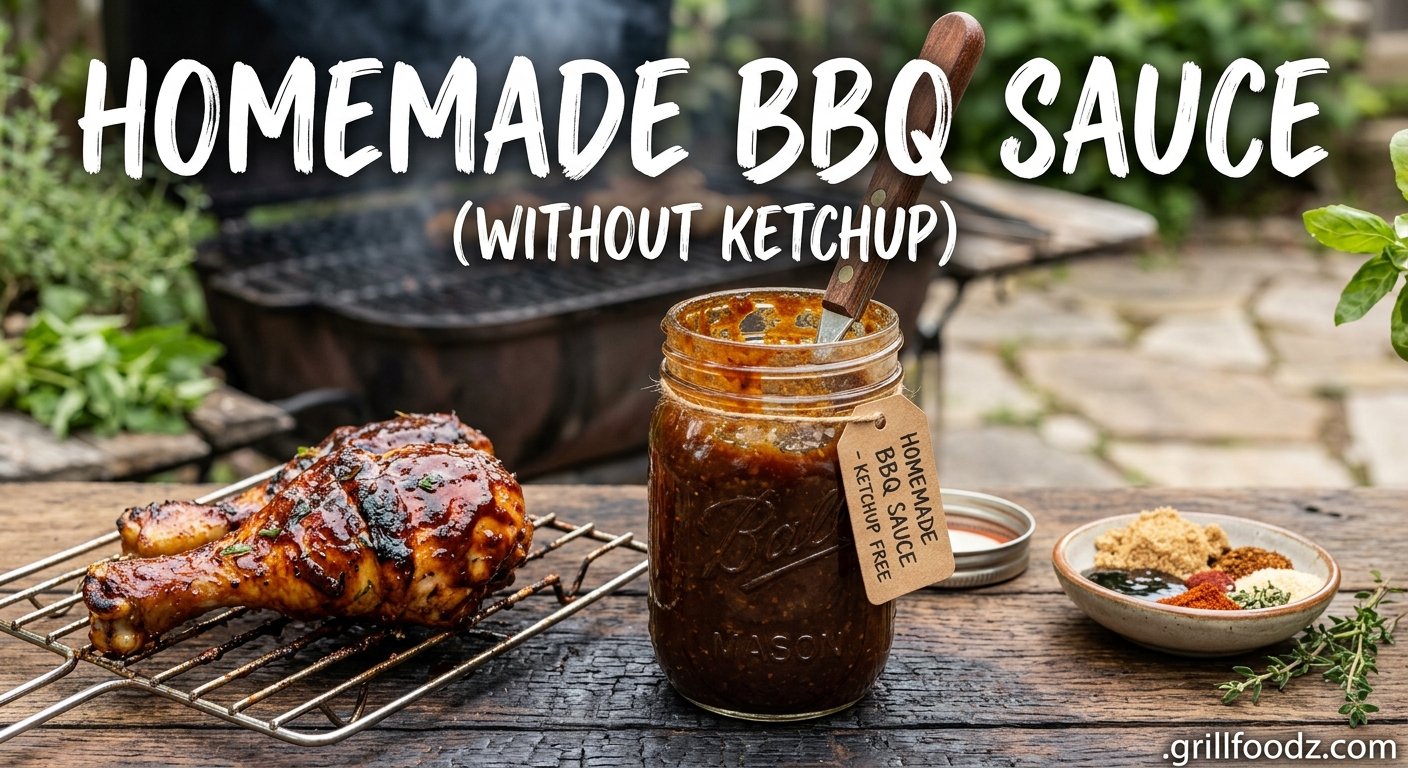
Homemade BBQ Sauce Without Ketchup: Easy, Smoky, and Flavorful Recipe
Homemade BBQ sauce without ketchup is a delicious alternative to traditional barbecue sauce. It has a rich, smoky flavor, a perfect balance of sweetness and tanginess, and a thick consistency that makes it ideal for grilled chicken, ribs, burgers, roasted vegetables, and many other meals. The best part is that you can make it with simple pantry ingredients without relying on bottled ketchup.
If you have ever wanted to prepare barbecue sauce from scratch, this easy recipe is a great place to start. You can control the sweetness, adjust the spices, and customize the flavor according to your preferences. Whether you are preparing a weekend barbecue or need a quick sauce for dinner, this homemade BBQ sauce without ketchup comes together in one saucepan with very little effort.
Unlike store-bought sauces, this recipe lets you decide exactly what goes into your food. It is perfect for home cooks who want a flavorful barbecue sauce made from basic ingredients they may already have in their kitchen.
Why Make BBQ Sauce Without Ketchup?
Traditional barbecue sauce often uses ketchup as its main ingredient. Although ketchup is convenient, it contains tomatoes, sugar, vinegar, and seasonings that can make it difficult to control the final flavor.
Making BBQ sauce without ketchup gives you more flexibility. Instead of starting with a prepared condiment, you can build the flavor yourself using tomato paste, vinegar, sweetener, spices, and a little water.
Here are some reasons to try this homemade recipe:
- Easy to customize: Adjust the sweetness, tanginess, smokiness, and heat.
- Simple ingredients: Most ingredients are common pantry staples.
- Fresh flavor: The sauce develops a rich taste as it simmers.
- No ketchup required: You can prepare it even when there is no ketchup in the refrigerator.
- Versatile: Use it as a dipping sauce, marinade, glaze, or burger topping.
- Budget-friendly: A small batch can replace several store-bought bottles.
Another advantage is that you can make a small amount whenever you need it. There is no reason to purchase a large bottle if you only need barbecue sauce for one meal.
Ingredients for Homemade BBQ Sauce Without Ketchup
The secret to a great barbecue sauce is balancing sweet, sour, smoky, and savory flavors. Each ingredient has a specific purpose, but you can adjust the amounts to suit your taste.
1. Tomato Paste
Tomato paste creates the rich tomato flavor and thick consistency usually associated with barbecue sauce. Because it is concentrated, you only need a small amount.
Use plain tomato paste rather than a seasoned pasta sauce. This allows you to control the final flavor.
2. Apple Cider Vinegar
Apple cider vinegar provides the tangy flavor that balances the sweetness of the sauce. It also helps brighten the rich tomato and spice flavors.
If you do not have apple cider vinegar, white vinegar can work as a substitute. Start with a slightly smaller amount and adjust after tasting.
3. Brown Sugar
Brown sugar adds sweetness and a mild molasses flavor. It helps create the familiar taste of classic American barbecue sauce.
You can replace it with white sugar, honey, or maple syrup. Keep in mind that each sweetener changes the flavor slightly.
4. Worcestershire Sauce
Worcestershire sauce adds savory depth and helps make the sauce taste more complex.
If you do not have it, you can leave it out or use a small amount of soy sauce. Check ingredient labels if you need to avoid particular ingredients.
5. Smoked Paprika
Smoked paprika gives the sauce a warm, smoky flavor without requiring a smoker or outdoor grill.
Regular paprika can be used instead, although the sauce will have a milder smoky character.
6. Garlic Powder
Garlic powder adds a savory aroma and makes the sauce taste more balanced. It mixes easily into the liquid and is convenient for quick recipes.
7. Onion Powder
Onion powder adds subtle sweetness and depth. Together with garlic powder, it gives the sauce a fuller flavor.
8. Mustard
A small amount of prepared mustard or mustard powder provides extra tanginess. It also helps balance the sweetness.
Yellow mustard is an easy choice, but Dijon mustard works well if you prefer a sharper flavor.
9. Water
Water thins the tomato paste and helps the ingredients combine smoothly. You can add more or less depending on how thick you want the finished sauce.
10. Black Pepper and Salt
Black pepper adds gentle warmth, while salt brings out the other flavors. Add salt gradually, especially if your Worcestershire sauce already contains a substantial amount.
Homemade BBQ Sauce Without Ketchup Recipe
Preparation time: 5 minutes
Cooking time: 15 minutes
Total time: 20 minutes
Yield: Approximately 1 cup
Difficulty: Easy
Ingredients
- 1/2 cup plain tomato paste
- 1/3 cup water, plus more if needed
- 3 tablespoons apple cider vinegar
- 3 tablespoons brown sugar
- 1 tablespoon Worcestershire sauce
- 1 teaspoon yellow mustard
- 1 teaspoon smoked paprika
- 1 teaspoon garlic powder
- 1/2 teaspoon onion powder
- 1/4 teaspoon black pepper
- 1/4 teaspoon salt, or to taste
- 1/4 teaspoon chili powder, optional
Instructions
Step 1: Combine the Ingredients
Place a small saucepan over low to medium-low heat. Add the tomato paste, water, apple cider vinegar, brown sugar, Worcestershire sauce, and mustard.
Stir everything together until the tomato paste begins to loosen and the sugar dissolves. The mixture may look slightly thick at first, but it will become smoother as it warms.
Step 2: Add the Seasonings
Add the smoked paprika, garlic powder, onion powder, black pepper, salt, and optional chili powder.
Stir thoroughly so the spices are evenly distributed throughout the sauce. Breaking up any small lumps at this stage will help create a smooth consistency.
Step 3: Simmer the Sauce
Allow the sauce to simmer gently for 10 to 15 minutes, stirring frequently. Keep the heat low enough to prevent the tomato paste and sugar from sticking to the bottom of the saucepan.
As the mixture cooks, the flavors will blend together, and the sauce will gradually become thicker.
Avoid boiling it aggressively. Gentle simmering is enough to develop the flavor without scorching the sauce.
Step 4: Adjust the Consistency
Check the sauce after about 10 minutes. If it is too thick, add water one tablespoon at a time.
If the sauce is too thin, continue simmering for a few additional minutes. Remember that it will thicken slightly as it cools.
Step 5: Taste and Adjust
Remove the saucepan from the heat and taste the sauce carefully after it cools slightly.
Add a little more vinegar if you prefer a tangier flavor. For extra sweetness, stir in a small amount of brown sugar. If you want more smoky flavor, add a pinch of smoked paprika.
For extra heat, add chili powder or cayenne pepper in small amounts.
Step 6: Cool and Serve
Let the BBQ sauce cool before transferring it to a clean glass jar or airtight container.
Use it immediately with your favorite meal, or refrigerate it for later. The flavor often becomes even more balanced after the sauce rests for several hours.
Tips for Making the Best BBQ Sauce Without Ketchup
A homemade sauce does not require complicated techniques, but a few simple tips can make a noticeable difference.
Use Quality Tomato Paste
Tomato paste provides most of the tomato flavor in this recipe, so choose a plain product with a flavor you enjoy. Avoid tomato paste that contains unnecessary seasonings if you want complete control over the recipe.
Cook It Slowly
Low heat allows the ingredients to blend without burning. Stir the sauce regularly, particularly around the edges and bottom of the pan.
A few extra minutes of gentle cooking can help the sauce develop a richer flavor.
Balance Sweetness and Acidity
Good barbecue sauce should not taste overwhelmingly sweet or sour. The vinegar balances the brown sugar, while the tomato paste gives the sauce body.
If the sauce tastes too sweet, add vinegar a little at a time. If it tastes too sharp, add a small amount of sweetener and simmer briefly.
Avoid Adding Too Much Liquid
Tomato paste is concentrated, so begin with the recommended amount of water. You can always add more, but reducing an overly thin sauce takes extra time.
Let the Sauce Rest
Allowing the sauce to rest for 15 to 30 minutes after cooking helps the flavors settle. For an even deeper flavor, refrigerate it and use it the following day.
Adjust the Seasonings Gradually
Smoked paprika, chili powder, and vinegar can quickly change the flavor. Add extra seasonings in small amounts and taste as you go.
How to Make BBQ Sauce Without Tomato Paste
If you do not have tomato paste, you can still make a barbecue-style sauce, although the result will have a slightly different consistency and flavor.
One option is to use plain tomato puree or passata. Because these products contain more water than tomato paste, you will need to simmer the sauce longer to reduce the liquid.
You can combine approximately 1 cup of tomato puree with vinegar, brown sugar, Worcestershire sauce, mustard, garlic powder, onion powder, and smoked paprika. Simmer until the sauce reaches your preferred thickness.
Another option is to create a mustard-based barbecue sauce. Combine yellow mustard, apple cider vinegar, brown sugar, a little water, black pepper, and smoked paprika. This produces a tangier sauce with less tomato flavor.
For a completely tomato-free alternative, use a mustard-based recipe rather than trying to replicate the exact taste of a tomato-based barbecue sauce.
Variations to Try
One of the best things about homemade BBQ sauce without ketchup is how easily you can change the flavor.
Sweet BBQ Sauce
If you enjoy sweeter barbecue sauce, add one or two teaspoons of brown sugar or honey. Stir well and taste before adding more.
This version works particularly well with grilled chicken, baked beans, and roasted sweet potatoes.
Spicy BBQ Sauce
For a hotter sauce, add cayenne pepper, chili powder, or a few drops of your preferred hot sauce.
Start with a small amount. You can always increase the heat, but it is difficult to correct a sauce that has become too spicy.
Smoky BBQ Sauce
Increase the smoked paprika slightly to create a deeper smoky flavor. You can also add a tiny amount of liquid smoke if you enjoy that distinctive barbecue aroma.
Use liquid smoke sparingly because its flavor can become overpowering.
Honey BBQ Sauce
Replace some or all of the brown sugar with honey. Honey gives the sauce a smoother sweetness and works well as a glaze for chicken.
Because honey can burn when exposed to high heat, brush this variation onto meat near the end of cooking rather than applying a thick coating too early.
Tangy BBQ Sauce
For a sharper, vinegar-forward sauce, add another teaspoon of apple cider vinegar. This style pairs well with pulled pork, grilled vegetables, and rich meats.
Garlic BBQ Sauce
If you love garlic, increase the garlic powder to 1 1/2 teaspoons. You can also add a small amount of finely minced fresh garlic, cooking it gently before adding the remaining ingredients.
Fresh garlic may produce a stronger flavor than garlic powder, so adjust according to your preference.
How to Use Homemade BBQ Sauce Without Ketchup
This sauce is versatile enough to use in many everyday meals.
Grilled Chicken
Brush the sauce onto chicken during the final few minutes of grilling. Applying it too early can cause the sugar to burn before the chicken is fully cooked.
For food safety, do not use sauce that has touched raw chicken as a finishing sauce unless you bring it to a safe boil first.
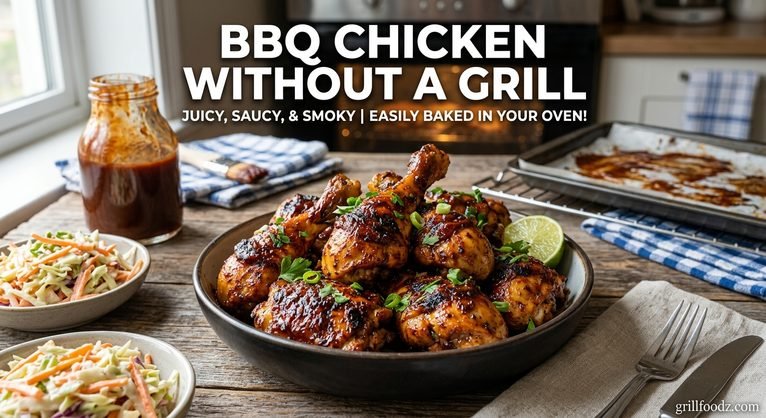
BBQ Chicken in the Oven
Bake seasoned chicken until it is nearly cooked, then brush on the barbecue sauce and return it to the oven for a few minutes. The sauce creates a flavorful coating without requiring an outdoor grill.
Always cook chicken to an internal temperature of 165°F (74°C), measured with a food thermometer at the thickest part.
Burgers
Spread a thin layer of BBQ sauce over a burger patty or the inside of a burger bun. It adds sweetness, tanginess, and smoky flavor without overwhelming the other toppings.
It also pairs well with caramelized onions, lettuce, cheese, and sliced tomatoes.
Ribs
Use the sauce as a finishing glaze for pork or beef ribs. Brush on a thin layer during the last 10 to 15 minutes of cooking and allow it to set without burning.
Roasted Vegetables
Toss roasted cauliflower, carrots, or sweet potatoes with a small amount of sauce after cooking. You can also brush it onto vegetables during the final minutes of roasting.
Sandwiches and Wraps
Use BBQ sauce in chicken sandwiches, pulled pork sandwiches, or vegetable wraps. A small amount adds plenty of flavor, so start with a thin layer and add more if needed.
Dipping Sauce
Serve the sauce alongside chicken tenders, homemade potato wedges, grilled shrimp, or roasted potatoes.
For dipping, you may want to keep the sauce slightly thicker than you would for brushing onto meat.
Common Mistakes to Avoid
Even an easy barbecue sauce can turn out differently depending on how it is prepared.
Cooking over high heat: High heat can burn the tomato paste and sugar, leaving a bitter taste. Keep the sauce at a gentle simmer.
Adding too much vinegar: Vinegar gives BBQ sauce its signature tang, but too much can overpower the other ingredients. Begin with the recommended amount and adjust after cooking.
Using too much liquid: Excess water creates a thin sauce that may not cling well to food. Add water gradually.
Forgetting to stir: Tomato paste settles and can stick to the bottom of the saucepan. Stir regularly to prevent scorching.
Adding too much smoke flavor: Smoked paprika and liquid smoke are concentrated ingredients. Start with small amounts and increase only if needed.
Applying sugary sauce too early: Brown sugar and honey can burn over direct heat. Apply the sauce near the end of grilling or roasting.
Skipping the tasting step: Ingredients vary in sweetness, acidity, and saltiness. Always taste the finished sauce and make small adjustments.
How to Store Homemade BBQ Sauce Without Ketchup
Allow the sauce to cool, then transfer it to a clean, airtight container. Refrigerate it promptly and keep it at 40°F (4°C) or below.
For the best quality, use this homemade sauce within approximately 5 to 7 days. Because this is a small-batch homemade recipe without a validated preservation process, do not assume it is shelf-stable or safe to store at room temperature.
Always use a clean spoon when serving the sauce. Discard it if you notice mold, an unusual smell, unexpected bubbling, or other signs of spoilage.
If you want to freeze the sauce, place it in a freezer-safe container, leaving a little room for expansion. Freeze in small portions for convenience and use within about 2 to 3 months for best quality. Thaw it in the refrigerator and stir thoroughly before serving.
Do not store sauce that has been in contact with raw meat for later use. Discard leftover marinade unless it is boiled before being used as a sauce.
Can You Make BBQ Sauce Without Ketchup and Without Brown Sugar?
Yes. You can make barbecue sauce without ketchup and brown sugar by using honey, maple syrup, or ordinary white sugar.
For a simple variation, combine tomato paste, apple cider vinegar, water, Worcestershire sauce, smoked paprika, garlic powder, onion powder, and honey. Simmer until smooth and thick.
Honey gives the sauce a slightly different flavor from brown sugar, but it still creates a sweet and tangy barbecue-style condiment.
If you want a less sweet sauce, reduce the sweetener and increase the spices slightly. Keep in mind that removing too much sugar will change the balance of flavors.
Is Homemade BBQ Sauce Without Ketchup Healthy?
Homemade BBQ sauce can help you control the ingredients you use. You can reduce the added sugar, adjust the salt, and avoid ingredients that do not suit your preferences.
However, homemade barbecue sauce is not automatically sugar-free or low in sodium. Brown sugar, honey, and other sweeteners still contribute sugar, while Worcestershire sauce and salt can add sodium.
If you want a lighter version, reduce the brown sugar, choose a lower-sodium Worcestershire sauce, and adjust the vinegar and spices to maintain flavor.
Tomato paste also contributes nutrients, including some vitamin C and lycopene, although the amount in a serving of sauce is relatively small.
The best approach is to treat BBQ sauce as a flavorful condiment and use an amount that fits your meal and dietary preferences.
Frequently Asked Questions
1. Can I make BBQ sauce without ketchup?
Yes. Tomato paste, vinegar, a sweetener, and spices make an excellent base for homemade barbecue sauce. You can create a rich, tangy flavor without using ketchup at all.
2. What can I use instead of ketchup in BBQ sauce?
Plain tomato paste is one of the easiest alternatives because it provides concentrated tomato flavor and thickness. Tomato puree or passata can also work, but they usually require longer cooking to reduce excess liquid.
3. Does BBQ sauce without ketchup taste different?
It can taste slightly less sweet or less processed than ketchup-based barbecue sauce. The final flavor depends on the tomato paste, vinegar, sweetener, and spices you choose.
Because you control the ingredients, you can make it sweeter, tangier, smokier, or spicier.
4. How do I make the sauce thicker?
Simmer the sauce uncovered over low heat for a few additional minutes, stirring regularly. The water will gradually evaporate, leaving a thicker sauce.
You can also begin with a little less water if you prefer a thick dipping sauce.
5. Can I make this recipe without Worcestershire sauce?
Yes. You can omit Worcestershire sauce and adjust the spices to taste. A small amount of soy sauce can add savory depth, although it changes the flavor and may increase the sodium content.
6. Can I use white vinegar instead of apple cider vinegar?
Yes. White vinegar works as a substitute, but its flavor can be sharper. Start with about 2 tablespoons instead of 3, taste the sauce, and add more if needed.
7. Can I make this BBQ sauce vegan?
Yes. Use a vegan Worcestershire sauce or omit it, and choose a plant-based sweetener such as brown sugar or maple syrup. Check the labels of your mustard and other ingredients if you follow a strict vegan diet.
8. Can I use this sauce as a marinade?
Yes. It can be used as a marinade for chicken, pork, tofu, or vegetables. However, because the sauce contains sugar, it is often best to reserve some fresh sauce for serving and avoid applying a thick coating too early during cooking.
Refrigerate food while marinating, and discard marinade that has contacted raw meat unless it is thoroughly boiled before reuse.
9. Why does my BBQ sauce taste too acidic?
The vinegar may be too strong for your preferred taste. Add a little brown sugar or honey, stir, and taste again. You can also simmer the sauce for a few more minutes to help the flavors blend.
10. How long does homemade BBQ sauce last?
When stored in a clean, airtight container in the refrigerator at 40°F (4°C) or below, this recipe is best used within approximately 5 to 7 days. It should not be stored at room temperature as a shelf-stable product.
Final Thoughts
Homemade BBQ sauce without ketchup is a simple way to bring bold barbecue flavor to your kitchen without relying on a prepared condiment. With tomato paste, apple cider vinegar, brown sugar, smoked paprika, and a handful of everyday seasonings, you can make a delicious sauce in about 20 minutes.
The recipe is easy enough for beginners and flexible enough for experienced home cooks. You can make it sweet and mild for family dinners, spicy for grilled chicken, or extra tangy for sandwiches and roasted vegetables.
Once you learn the basic balance of tomato, vinegar, sweetness, and spices, you can adjust the recipe to suit almost any meal. Keep a small batch in the refrigerator, and you will have a homemade condiment ready whenever you need a quick flavor boost.
If you are looking for an easy homemade BBQ sauce without ketchup, this recipe is a practical place to start. Make it once, taste it, and adjust the ingredients until you find your favorite combination.


3 Comments