Korean BBQ Chicken Thighs with Gochujang Glaze
The first time I tasted gochujang, I had no idea what it was. A friend had brought a tub of it back from a Korean supermarket, and she smeared a little on a piece of grilled chicken and handed it to me. I expected it to be fiercely hot, the way some chilli pastes are, but it was not like that at all. It was sweet and savoury and deeply flavoured, with a warmth that built slowly instead of hitting you all at once, and a richness that reminded me of miso and caramel at the same time. I went back for a second piece, and then a third, and by the end of the evening I was asking her where to buy a tub of my own.
That tub of gochujang changed the way I cook chicken. Before it, my barbecue marinades were mostly the same few flavours: soy sauce, garlic, a little honey, maybe some lemon. Gochujang opened up a whole new world. It is a fermented Korean chilli paste, made from chilli, glutinous rice, fermented soybeans, and salt, and it has been a staple of Korean cooking for centuries. The fermentation gives it a depth that plain chilli sauce never has, and the sweetness balances the heat in a way that makes it addictive. Mixed with soy sauce, sesame oil, garlic, and a little honey, it becomes a marinade that turns ordinary chicken thighs into something extraordinary.
I have made these Korean barbecue chicken thighs more times than I can count since that first taste, and they have become one of my most requested barbecue recipes. They are the dish I make when I want to impress people without much effort, because the marinade does almost all the work. You mix it, you pour it over the chicken, you leave it alone, and then you grill. The chicken comes off the grill charred at the edges, sticky with glaze, and juicy inside, and the flavour is unlike anything else on the barbecue table. Sweet, spicy, savoury, and smoky all at once, with a warmth that lingers pleasantly instead of burning.
What I love most about this recipe is how it takes a familiar idea — grilled chicken thighs — and makes it taste completely new. If you have never cooked with gochujang before, this is the perfect place to start. It is forgiving, it is flexible, and it is hard to get wrong. You can buy gochujang in most supermarkets now, in the Asian food aisle, and a tub lasts for months in the fridge. Once you have it in the cupboard, you will find yourself reaching for it again and again.
Why You’ll Love This Recipe
First of all, the flavour is extraordinary. Gochujang is not like any other sauce you have cooked with. The fermentation gives it a deep, savoury richness, the chilli gives it warmth, the rice gives it sweetness, and when you mix it with soy sauce, sesame, garlic, and ginger, you get a marinade that tastes complex and layered, like it took hours to make, when it actually took five minutes. The chicken absorbs all of that flavour while it marinates, and then the grill adds char and smoke on top. It is the kind of flavour that makes people ask what is in it, because they cannot quite place it.
It is also genuinely easy. The marinade is just a handful of ingredients whisked together in a bowl. There is no chopping beyond a little garlic and ginger, no cooking the sauce first, no fussy technique. You pour it over the chicken, you leave it in the fridge, and then you grill. I have made this on weeknights after a long day, and on weekends when friends are coming over, and it has always worked. The hands-on time is about ten minutes, and the rest is just waiting while the marinade does its job and the grill does its work.
It is a brilliant recipe for feeding a crowd, too. Chicken thighs are cheap, they feed a lot of people, and they stay juicy on the grill in a way that breast sometimes does not. You can double or triple the marinade, use a bigger bowl, and grill a whole pile of thighs in batches. Serve them with rice and kimchi, and you have a Korean barbecue spread that looks and tastes like you spent far more effort on it than you did. People help themselves, they go back for seconds, and the cook actually gets to sit down and eat.
Finally, this recipe is wonderfully flexible. You can make it as spicy or as mild as you like by adjusting the amount of gochujang. You can cook the thighs on a charcoal grill, a gas grill, a grill pan indoors, or under the oven grill. You can serve them with rice, in lettuce wraps, in a sandwich, or sliced over a salad. However you cook them and however you serve them, the gochujang glaze is the star, and it is hard to get wrong. If you are new to grilling thighs, these easy grilled chicken thighs without skin will help you get the timing right before you tackle the glaze.
Ingredients You’ll Need
- 8 boneless, skinless chicken thighs, about 900 g (2 lbs)
- 3 tablespoons gochujang (Korean chilli paste)
- 3 tablespoons soy sauce
- 2 tablespoons honey
- 1 tablespoon rice vinegar
- 1 tablespoon sesame oil
- 1 tablespoon vegetable oil
- 4 cloves garlic, finely minced
- 1 tablespoon fresh ginger, finely grated
- 2 spring onions, finely sliced, plus extra for garnish
- 1 tablespoon sesame seeds, toasted, for garnish
- 1 teaspoon gochugaru (Korean chilli flakes), optional, for extra heat
- 1/2 teaspoon black pepper, freshly ground
- Lettuce leaves, for serving (optional)
- Steamed rice and kimchi, for serving
How to Make Korean BBQ Chicken Thighs with Gochujang Glaze
Start by making the marinade, because it does two jobs in this recipe: it flavours the chicken, and later it becomes the glaze you brush on at the end. In a medium bowl, whisk together the gochujang, soy sauce, honey, rice vinegar, sesame oil, vegetable oil, garlic, ginger, spring onions, black pepper, and the gochugaru if you are using it. Stir it well until the gochujang has dissolved into the other ingredients and the mixture is smooth and glossy. It should be a deep, rich red, and it should smell sweet, savoury, and warm all at once. Taste a tiny bit on your fingertip — it should taste sweet and spicy with a deep savoury background. If you want it sweeter, add a little more honey. If you want it hotter, add a little more gochujang.
Pour about two-thirds of the marinade over the chicken thighs in a large bowl or a zip-top bag, and toss well so every thigh is coated. Set the remaining third aside in a small bowl — that is your glaze, and you must keep it separate so it never touches raw chicken. Cover the chicken and put it in the fridge for at least one hour, or up to eight hours if you have the time. The longer it marinates, the deeper the flavour goes, but even an hour makes a real difference. While the chicken marinates, toast the sesame seeds in a dry pan over medium heat for a minute or two, until they smell nutty, and set them aside.
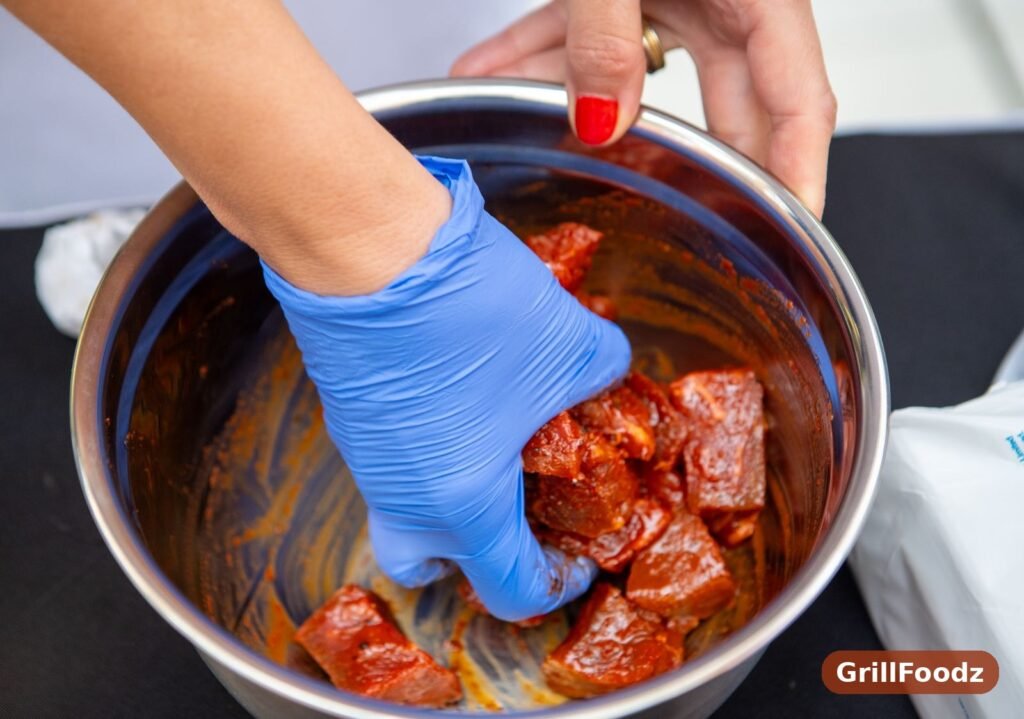
When you are ready to cook, take the chicken out of the fridge about twenty minutes before grilling so it is not ice-cold when it hits the heat. Cold chicken cooks unevenly, and the outside will be done long before the inside. Heat the grill to medium-high, around 200 to 220°C (400 to 425°F). Clean the grates well with a grill brush, then oil them lightly using a folded paper towel dipped in vegetable oil and held with tongs. This stops the chicken from sticking, which matters a lot with a sticky glaze, because the sugars in the marinade make the chicken more likely to catch on the grates.
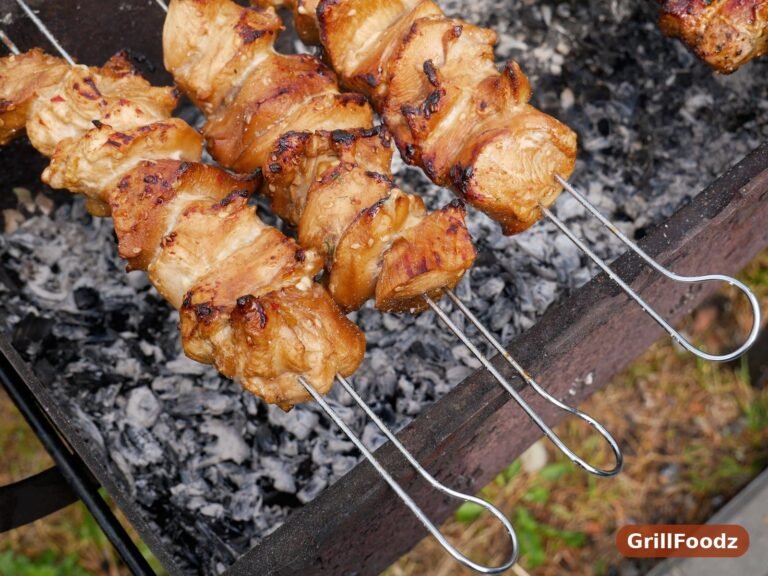
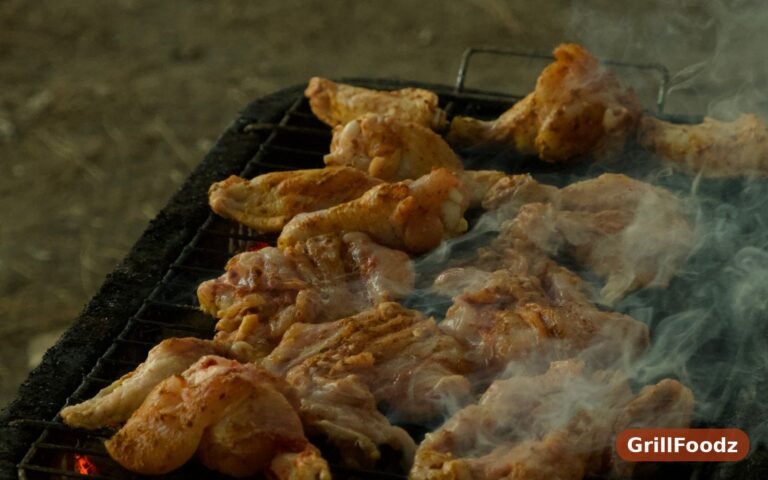
Lay the thighs on the grill and cook for about five to six minutes on the first side, without moving them. You want proper grill marks and a little char at the edges. The marinade will start to caramelise, and the chicken will smell incredible. Turn the thighs over and cook for another five to six minutes on the other side. The chicken should be cooked through and read 74°C (165°F) on a meat thermometer in the thickest part. If you are unsure about temperatures, this grilled chicken with simple pantry ingredients guide has useful tips on judging when grilled chicken is done.
During the last two minutes of cooking, brush the thighs generously with the reserved glaze on both sides. The glaze will bubble and thicken in the heat, and it will give the chicken a beautiful glossy, sticky finish. Do not brush it on too early, because the sugars in the glaze will burn before the chicken is cooked through. Once the thighs are glazed and glossy, take them off the grill and let them rest for five minutes. Resting lets the juices settle back into the meat instead of running out onto the plate. Scatter over the toasted sesame seeds and extra spring onions, and serve straight away while the glaze is still sticky and warm. For a no-grill version of the same flavours, this barbecue chicken without a grill recipe shows how to get a similar result in the oven or on the hob.
Tips for Perfect Korean BBQ Chicken Thighs
The single most important tip is to keep the glaze separate from the marinade. This is a food safety rule, not a preference. The marinade has been in contact with raw chicken, and it must never be used as a sauce for cooked food. Always set aside a third of the marinade before it touches the chicken, and use only that reserved portion for glazing. If you forget, you can boil the used marinade for a full minute to make it safe, but it is much simpler to set some aside at the start. This is the mistake I see most often with glazed chicken, and it is an easy one to avoid.
Do not brush the glaze on too early. Gochujang and honey are both full of sugars, and sugars burn fast on a hot grill. If you brush the glaze on at the start, it will go black and bitter long before the chicken is cooked. Wait until the last two minutes, brush it on, let it bubble and thicken for a minute, and then take the chicken off the grill. You get all the sticky sweetness with none of the burnt bitterness. The same rule applies to any sweet glaze, and it is the difference between glossy, caramelised chicken and chicken that tastes burnt.
Use boneless, skinless thighs if you can. Thighs stay juicy on the grill in a way that breast does not, and the boneless ones cook quickly and evenly. Bone-in thighs work too, but they need a few extra minutes and a little more care to make sure the meat near the bone is cooked through. If you do use bone-in thighs, cook them over indirect heat for part of the time so the outside does not burn before the inside is done. For more on keeping grilled chicken moist, this guide to grilled chicken breast without drying it out covers the temperature rules that apply to all cuts.
Buy the right gochujang. Look for it in the Asian food aisle of a supermarket or in a Korean grocery shop. It usually comes in a red plastic tub, and the label will say gochujang or Korean chilli paste. There are different heat levels, usually marked mild, medium, or hot, so pick the one that suits you. A tub lasts for months in the fridge once opened, so it is a good investment. Do not confuse it with gochugaru, which is the dried chilli flakes — they are related, but they are not the same thing, and they are not interchangeable.
Finally, let the chicken rest. I know it is tempting to cut straight into it the second it comes off the grill, especially when it smells this good, but five minutes of resting makes a real difference to juiciness. The juices redistribute through the meat instead of running straight out onto the plate, and the glaze sets a little so it does not slide off when you slice the chicken. Tent the thighs loosely with foil while they rest so they stay warm, and use the time to finish the rice and put the kimchi on the table.
Variations to Try
Once you have the basic recipe down, there are plenty of ways to make it your own. For a spicier version, add an extra tablespoon of gochujang and a teaspoon of gochugaru to the marinade. The heat builds slowly and pleasantly, and a little extra chilli gives the glaze a deeper red colour. Serve the spicy thighs with a cooling cucumber salad or a yoghurt dip to balance the heat, and you have a barbecue dish that adults will love. If you enjoy Korean flavours, the BBC Good Food Korean fried chicken recipe is another great way to cook with gochujang.
For a milder version that kids will enjoy, use a mild gochujang and cut the amount down to two tablespoons, adding an extra tablespoon of honey to balance it. The flavour is still distinctly Korean, but the heat is gentle enough for younger eaters. You can also leave the gochugaru out entirely. The glaze will still be sweet, savoury, and sticky, and the sesame and garlic will carry the flavour.
For a lettuce-wrap version, slice the grilled thighs thinly and serve them with lettuce leaves, steamed rice, kimchi, and a little extra glaze for spooning over the top. People build their own wraps at the table, which is fun and interactive, and it makes a great sharing dinner. You can also tuck the sliced chicken into warm flatbreads or tortillas with shredded cabbage and pickled carrots for Korean-style tacos, which are brilliant for a casual evening with friends.
If you want a smokier version, grill the thighs over charcoal instead of gas. The smoke adds a whole extra layer of flavour that works wonderfully with the sweet, spicy glaze. You can also add a teaspoon of smoked paprika to the marinade, which deepens the smoky notes without needing a charcoal grill. And if you do not have gochujang, you can make a rough substitute by mixing sriracha with a little miso paste and honey, though it will not taste quite the same. The real thing is worth tracking down if you can.
Serving Ideas
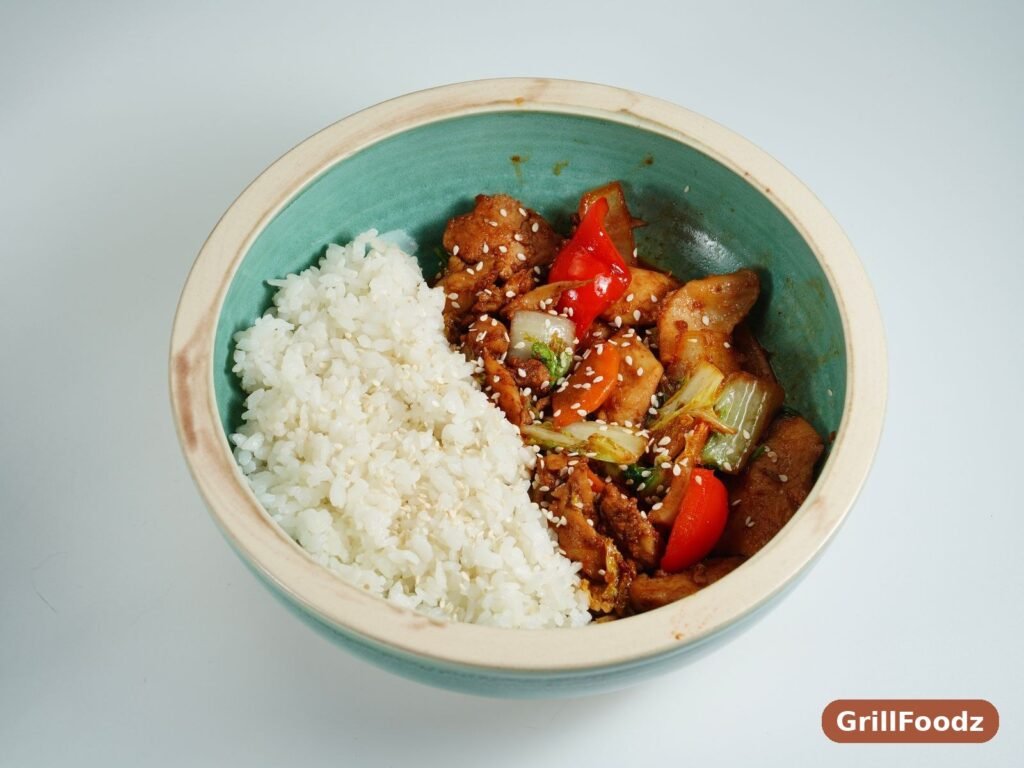
The classic way to serve Korean barbecue chicken thighs is with steamed rice and kimchi, and honestly, there is a reason that combination has lasted so long. The rice soaks up the sticky glaze, the kimchi adds crunch, tang, and a little extra heat, and the whole plate feels balanced and satisfying. Add a simple cucumber salad or some steamed broccoli on the side, and you have a complete meal that takes less than an hour from start to finish. For more chicken ideas, the BBC Good Food roast chicken guide is a useful starting point. A sprinkle of sesame seeds and spring onions on top makes it look like something from a Korean restaurant.
For a Korean barbecue spread, serve the sliced thighs on a big platter with lettuce leaves, steamed rice, kimchi, pickled radish, and a bowl of the extra glaze for dipping. People build their own lettuce wraps at the table, which is relaxed and fun, and it means the cook is not stuck plating up individual portions while everyone else is eating. Add some grilled corn and a cold noodle salad, and you have a garden party menu that feels special without being fussy.
If you want something lighter, serve the sliced thighs over a big salad with lettuce, shredded carrot, cucumber, and a sesame and lime dressing. The warm chicken wilts the greens just slightly, and the sweet glaze acts like a dressing all on its own. Or tuck the chicken into a sandwich with a little kimchi and mayonnaise for a Korean-inspired lunch that is far more interesting than a plain chicken sandwich. The thighs are also excellent cold, sliced into a rice bowl the next day with a fried egg on top.
For a more filling dinner, pair the thighs with garlic fried rice, grilled asparagus, or roasted sweet potatoes. The sweetness of the sweet potatoes works particularly well with the gochujang glaze, and the whole plate feels generous without being heavy. And do not forget a cold drink — something citrusy, like iced green tea or lemonade, is perfect with the sweet and spicy flavours. However you serve them, put the extra glaze on the table. People always want more of it.
Storage and Reheating
Leftover Korean barbecue chicken thighs keep well, which is one of the reasons I often make a double batch on purpose. Let the thighs cool completely, then store them in an airtight container in the fridge for up to three days. Keep any leftover glaze in a separate small container. The chicken is lovely cold, sliced into salads, rice bowls, or wraps, and I often pack it for lunch the next day exactly like that.
To reheat, the oven is your best option. Place the thighs in a baking dish, add a splash of water or chicken stock to keep them moist, cover loosely with foil, and warm in a 180°C (350°F) oven for twelve to fifteen minutes until heated through. Take the foil off for the last couple of minutes if you want the glaze to go sticky again. The microwave works in a pinch — about ninety seconds on medium power, covered with a damp paper towel — but the glaze can go a little soft, so the oven is worth the extra few minutes when you have them.
For longer storage, these thighs freeze well. Wrap each cooled thigh individually in cling film, then pop them into a freezer bag with the air pressed out, and label with the date. They will keep for up to two months. Thaw overnight in the fridge before reheating, and never refreeze chicken once it has been thawed. If you want to bring back a little of the char, reheat them on a hot grill or in a grill pan for a few minutes after they have warmed through in the oven, and brush with a little fresh glaze.
Frequently Asked Questions
What is gochujang, and where can I buy it?
Gochujang is a fermented Korean chilli paste made from chilli, glutinous rice, fermented soybeans, and salt. It is sweet, savoury, and spicy all at once, with a deep flavour that comes from the fermentation. You can buy it in most supermarkets now, in the Asian food aisle, or in a Korean or Asian grocery shop. It usually comes in a red plastic tub, and a tub lasts for months in the fridge once opened. Look for a heat level that suits you — mild, medium, or hot — and start with medium if you are unsure.
How spicy are these chicken thighs?
They are warm rather than fiercely hot. Gochujang brings a gentle, building warmth rather than a sharp burn, and the honey and soy sauce balance the heat. Most people, including older children, find them pleasantly spicy rather than overwhelming. If you want them milder, use a mild gochujang and cut the amount down to two tablespoons. If you want them hotter, add an extra tablespoon of gochujang and a teaspoon of gochugaru, which is Korean chilli flakes. The heat is easy to adjust to your taste.
Can I use chicken breast instead of thighs?
Yes, you can, though thighs are my first choice because they stay juicier on the grill. If you use breast, cut the pieces a little larger and watch the cooking time closely, pulling them off the grill the moment they reach 74°C (165°F) in the thickest part. Marinating the breast for the full eight hours also helps, because the marinade keeps the meat moist. Do not leave breast on the grill while you chat — it goes from perfect to dry in about a minute.
How long should I marinate the chicken?
One hour is the minimum, and it already makes a noticeable difference. Four to eight hours in the fridge is ideal, because the gochujang, soy sauce, and garlic have time to work their way into the meat. Do not marinate for longer than about twelve hours, though, because the salt in the soy sauce will start to change the texture of the chicken and make it a little soft. If you want to prep the night before, mix the marinade and keep it separate, then toss the chicken in it in the morning.
Can I make these thighs without a grill?
Yes, absolutely. Cook them in a hot grill pan on the hob for about five to six minutes per side, or under the oven grill (broiler) on a wire rack set over a baking tray for about twelve to fourteen minutes, turning once halfway through. Brush the glaze on during the last two minutes, just as you would on the barbecue. You will not get quite the same smoky char, but they will still be juicy, sticky, and delicious. They also work well in the oven at 220°C (425°F) for about twenty minutes.
What should I serve with Korean BBQ chicken thighs?
Steamed rice and kimchi are the classic pairing, and they balance the sweet, spicy glaze perfectly. A cucumber salad, pickled radish, or steamed broccoli all work well too. For a sharing spread, serve the sliced thighs with lettuce leaves so people can build their own wraps, with rice and extra glaze on the side. A cold drink like iced green tea or lemonade is ideal, because the citrus cuts through the richness of the glaze.