One-Pan BBQ Chicken Mac and Cheese
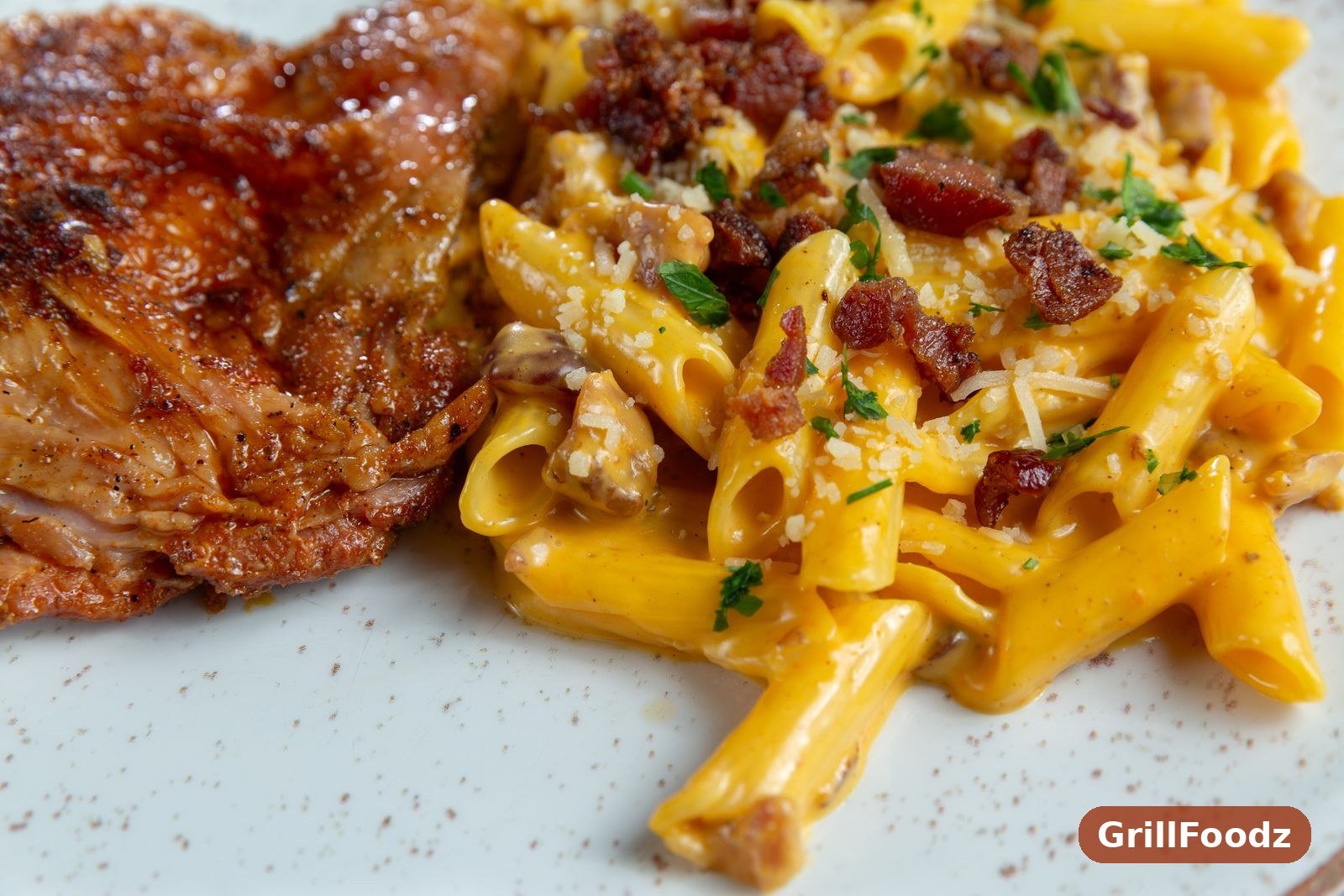
There are some dinners that just feel like a hug in a bowl, and this one-pan BBQ chicken mac and cheese is right at the top of that list for me. It is the kind of meal I make when the day has been long, the fridge is looking a bit bare, and I still want to put something on the table that makes everyone happy. You get smoky barbecue chicken, a rich and creamy cheese sauce, and tender pasta, all cooked in one pan with hardly any washing up afterwards. The first time I made it, I was honestly just trying to use up some leftover grilled chicken and a half-empty bottle of barbecue sauce. It turned out so well that my family now asks for it by name, usually on Friday nights when nobody feels like cooking anything fancy.
What makes this version different from regular mac and cheese is the barbecue sauce. It brings a sweet, smoky depth that cuts through the richness of the cheese in the best possible way. You still get all the comfort of a proper mac and cheese — the silky sauce, the melted cheddar, the pasta that soaks up every bit of flavour — but the BBQ chicken on top gives it a backyard cookout feel, even in the middle of winter. I like to use a good smoky barbecue sauce, the kind with a little tang and a little heat, because it does a lot of the heavy lifting here. If you have a favourite bottle, this is the recipe to use it in.
The other thing I love about this recipe is that it really is one pan. The pasta cooks right in the same skillet as the chicken and the sauce, which means the noodles pick up flavour as they cook instead of just sitting in plain water. It also means there is only one pan to wash at the end of the night, and on a busy weeknight that matters more than most cookbooks will admit. You do not need any special equipment either. A large, deep skillet with a lid is all it takes, and if you happen to have a cast iron one, even better, because it holds the heat beautifully and goes straight from the stove to the table looking like it belongs there.
This is also one of those recipes that is hard to get wrong. The chicken stays juicy because it simmers in the sauce, the pasta cooks in just the right amount of liquid, and the cheese melts into a smooth, glossy sauce as long as you keep the heat low at the end. I have made it with chicken breasts, chicken thighs, and leftover rotisserie chicken, and every version has worked. Serve it straight from the pan with a simple salad or some steamed broccoli on the side, and dinner is done. If you are looking for a meal that feels like a treat but cooks like a weeknight dinner, this is the one to try first.
Why You’ll Love This Recipe
First of all, it is a true one-pan dinner, and that alone is worth a lot on a busy evening. Everything — the chicken, the pasta, the sauce — cooks in the same skillet, in the right order, so the flavours build on each other instead of staying separate. The pasta absorbs the seasoned cooking liquid, the cheese sauce coats every piece, and the chicken picks up a little smokiness from the barbecue sauce as it simmers. You are not juggling three pots and a colander, and you are not left with a sink full of dishes. From the moment you start chopping the onion to the moment you sit down to eat, you are looking at about forty minutes, and most of that is hands-off simmering time.
The flavour is the second reason this recipe earns a permanent spot in the rotation. Barbecue sauce and cheddar cheese are one of those combinations that just works — sweet, smoky, tangy, and rich all at once. The chicken adds a hearty, savoury bite, and a little smoked paprika and garlic in the sauce tie the whole thing together. It tastes like something that took far more effort than it did, which is exactly the kind of dinner I want on a weeknight. My kids go back for seconds every single time, and I have lost count of how many friends have asked for the recipe after trying it at our house.
It is also wonderfully forgiving, which makes it a great recipe if you are still building confidence in the kitchen. The pasta cooks in the sauce, so you do not have to worry about timing a separate pot. If the sauce looks a little thick, you stir in a splash of milk. If it looks a little thin, you let it simmer for another minute or two. The chicken can be fresh or leftover, the cheese can be cheddar or a mix of whatever you have, and the whole thing still comes out creamy and delicious. For a simpler barbecue chicken dinner on nights when you want even less fuss, this easy BBQ chicken dinner with few ingredients is another favourite in our house.
Finally, this is a recipe that feeds a crowd without any extra stress. It scales up easily — just use a bigger skillet and add a little more liquid — and it holds well on a low burner while everyone finds their seat. I have doubled it for family gatherings and for a neighbourhood cookout, and it has always disappeared fast. Leftovers reheat beautifully too, which means a big batch on Sunday can turn into easy lunches for the next couple of days. Simple, filling, and genuinely delicious is a combination that never goes out of style, and this BBQ chicken mac and cheese delivers all three.
Ingredients You’ll Need
- 500 g (about 1 lb) boneless, skinless chicken breasts or thighs, cut into bite-sized pieces
- 300 g (about 3 cups) elbow macaroni or small shells
- 1 tablespoon olive oil
- 1 medium onion, finely diced
- 3 cloves garlic, minced
- 1 teaspoon smoked paprika
- 1/2 teaspoon garlic powder
- 1/2 teaspoon onion powder
- 1/2 teaspoon black pepper, freshly ground
- 1 teaspoon fine sea salt, divided
- 120 ml (1/2 cup) barbecue sauce, plus extra for drizzling
- 500 ml (2 cups) chicken stock
- 250 ml (1 cup) whole milk
- 200 g (2 cups) sharp cheddar cheese, freshly grated
- 100 g (1 cup) Monterey Jack or mozzarella, freshly grated
- 2 tablespoons butter
- 2 spring onions, thinly sliced, for serving
- Fresh parsley, chopped, for garnish (optional)
How to Make One-Pan BBQ Chicken Mac and Cheese
Start by getting your skillet ready and your ingredients lined up, because once this dish gets going it moves quickly. Heat the olive oil in a large, deep skillet over medium-high heat until it shimmers. Season the chicken pieces with half the salt, the black pepper, and the garlic powder, then add them to the hot pan in a single layer. Let them cook without moving them for three to four minutes so they get a proper golden colour on one side, then turn them over and cook for another three minutes. You are not trying to cook the chicken all the way through at this stage — it will finish cooking in the sauce later — you just want some colour and flavour on the outside. Take the chicken out of the pan and set it aside on a plate.
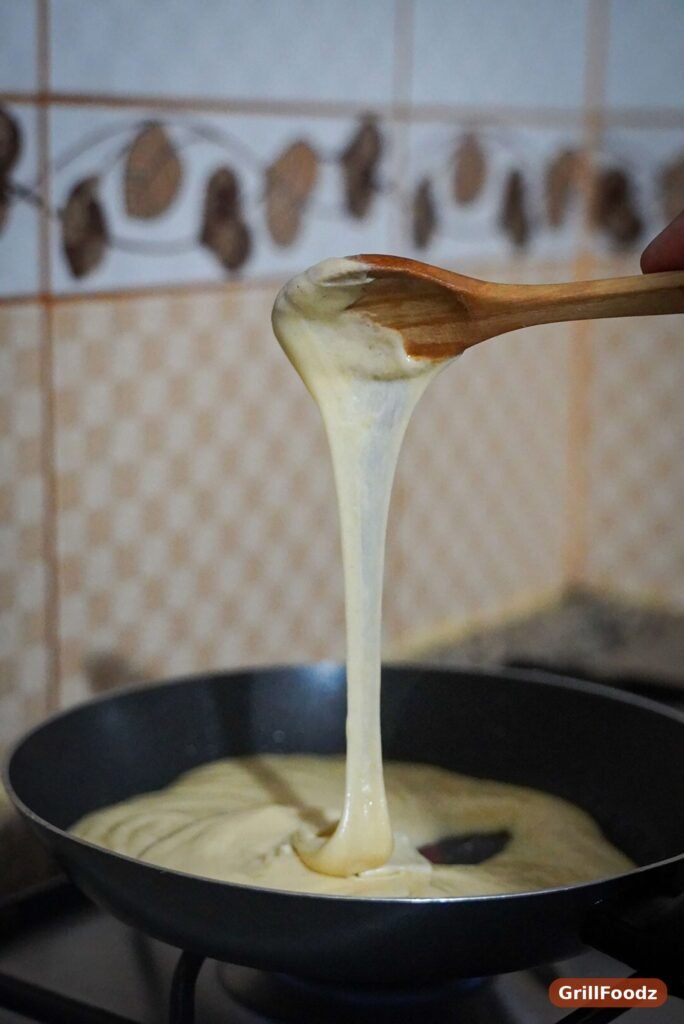
Turn the heat down to medium and add the butter to the same skillet. Once it melts, add the diced onion and cook it for three to four minutes, stirring now and then, until it softens and turns translucent. Stir in the minced garlic and the smoked paprika and cook for just thirty seconds more, until the garlic smells fragrant. Be careful not to let the garlic burn, because burnt garlic turns bitter fast and there is no hiding it in a cheese sauce. Now pour in the chicken stock and the milk, scraping the bottom of the pan with a wooden spoon to lift up all those browned bits left behind by the chicken. Those bits are pure flavour, and they dissolve right into the sauce.
Stir in the barbecue sauce and the onion powder, then add the dry macaroni straight into the pan. Give everything a good stir so the pasta is sitting down in the liquid, then bring it up to a gentle simmer. Once it is bubbling lightly, turn the heat down to medium-low, put the lid on, and let it cook for ten to twelve minutes, stirring every few minutes so the pasta does not stick to the bottom. The pasta will soak up the liquid as it cooks, and the sauce will start to thicken. If it looks like the liquid is disappearing too fast before the pasta is tender, add a splash more stock or milk and keep going.
When the pasta is just tender — it should still have a little bite to it — turn the heat down to low and stir the chicken back into the pan along with any juices from the plate. Let it simmer gently for two to three minutes so the chicken finishes cooking through. Now take the pan off the heat completely before you add the cheese, and this step matters. If the pan is too hot, the cheese can turn grainy and oily instead of melting into a smooth sauce. Add the grated cheddar and Monterey Jack a handful at a time, stirring well after each addition until it melts in. The sauce should turn thick, glossy, and creamy. If it feels too thick, stir in a splash of warm milk until it loosens up to the texture you like.
Taste the sauce and adjust the seasoning. Barbecue sauces vary a lot in sweetness and salt, so you may want a little more salt, a pinch more smoked paprika, or an extra drizzle of barbecue sauce on top. Let the pan sit for two or three minutes before serving so the sauce settles and thickens slightly. Scatter the sliced spring onions and parsley over the top, and drizzle a little extra barbecue sauce in a zigzag pattern if you like. Serve it straight from the skillet while it is hot and bubbly, and watch it disappear. If you enjoy making your own sauce for dishes like this, this homemade BBQ sauce without ketchup is a great one to keep in the fridge for recipes like this.
Tips for Perfect One-Pan BBQ Chicken Mac and Cheese
The single most important tip is to grate your own cheese. Pre-shredded cheese is coated in anti-caking powder that stops it melting smoothly, and in a sauce like this you will notice the difference. It takes an extra two minutes with a box grater, but the sauce comes out silky and glossy instead of slightly grainy. Use a good sharp cheddar for flavour and a milder melting cheese like Monterey Jack for that stretchy, creamy texture. If you only have cheddar, that works fine too — just add it slowly and keep the heat low.
Keep the heat low once the pasta is in the pan. A hard boil will make the milk split and the pasta cook unevenly, with some pieces going soft while others stay chalky in the middle. A gentle simmer with the lid on, stirred every few minutes, is the way to go. The pasta needs liquid to cook, so do not be tempted to lift the lid and let it all evaporate. If your stove runs hot, turn it down a notch and add a few extra minutes to the cooking time. Patience here is what gives you a creamy sauce instead of a sticky mess.
Do not overcook the chicken at the start. Remember, the chicken goes back into the pan to finish cooking in the hot sauce, so if you cook it all the way through in the first step, it will end up dry and tough by the time you serve it. Aim for golden on the outside and just barely cooked in the middle when you take it out, and let the simmer finish the job. If you are using chicken thighs, they are even more forgiving than breasts, so they are a great choice if you tend to worry about dry chicken. For more on keeping chicken juicy, this guide to grilled chicken breast without drying out has tips that work just as well in a skillet.
Finally, let the dish rest for a few minutes before you serve it. I know it is tempting to dig straight in, especially when the kitchen smells this good, but those few minutes let the sauce thicken and cling to the pasta properly. It also gives the cheese time to settle into the sauce instead of sliding off the noodles. If you want a classic oven-baked version to compare, the BBC Good Food ultimate macaroni cheese is a great reference for the traditional method. Use the time to slice the spring onions, set the table, or pour everyone a drink. The mac and cheese will still be plenty hot when you bring it to the table, and it will taste better for the short wait.
Variations to Try
Once you have the basic recipe down, it is easy to make it your own. For a spicier version, stir in a diced jalapeño with the onion, add a teaspoon of chilli flakes to the sauce, or use a hot and spicy barbecue sauce instead of a sweet one. A few dashes of hot sauce stirred in at the end also work well, and a pinch of cayenne in the seasoning gives the whole dish a warm background heat without making it too hot for kids. If you like a smoky flavour, add a little more smoked paprika or a few drops of liquid smoke to the sauce — just a little, because it is strong stuff.
For a crunchier finish, you can turn this into a baked version. Once the mac and cheese is assembled in the skillet, scatter a mixture of panko breadcrumbs, melted butter, and a little extra grated cheddar over the top, then slide the whole pan under a hot grill for three to four minutes until the topping is golden and crisp. For a smoky bacon twist on the classic dish, this macaroni cheese with smoky bacon is a lovely recipe to try next time. Watch it closely, because breadcrumbs go from golden to burnt in no time at all under the grill. It adds a lovely texture contrast to the creamy pasta underneath, and it makes the dish feel a little more special for a weekend dinner.
You can also change up the protein. Leftover rotisserie chicken works beautifully and cuts the cooking time down even further — just stir it in with the cheese at the end. Pulled pork is another great option if you have some left over from a cookout, and it leans even further into the barbecue flavour. For a meat-free version, leave the chicken out entirely and add a tin of drained black beans and some sweetcorn instead. The barbecue sauce and cheese carry the flavour, and it is still a filling, satisfying dinner. And if you want a lighter version, use low-fat milk and half the cheese, then stir in a big handful of baby spinach at the end until it wilts into the sauce.
For a different cheese profile, try swapping the Monterey Jack for smoked Gouda, which adds another layer of smokiness that works beautifully with the barbecue sauce. A little crumbled blue cheese stirred in at the end is also surprisingly good if you like bold flavours — start with just a small amount and taste as you go. You can even stir in a spoonful of cream cheese for an extra-rich, extra-creamy sauce. However you change it, the method stays the same, and that is what makes this recipe such a useful one to have in your back pocket.
Serving Ideas
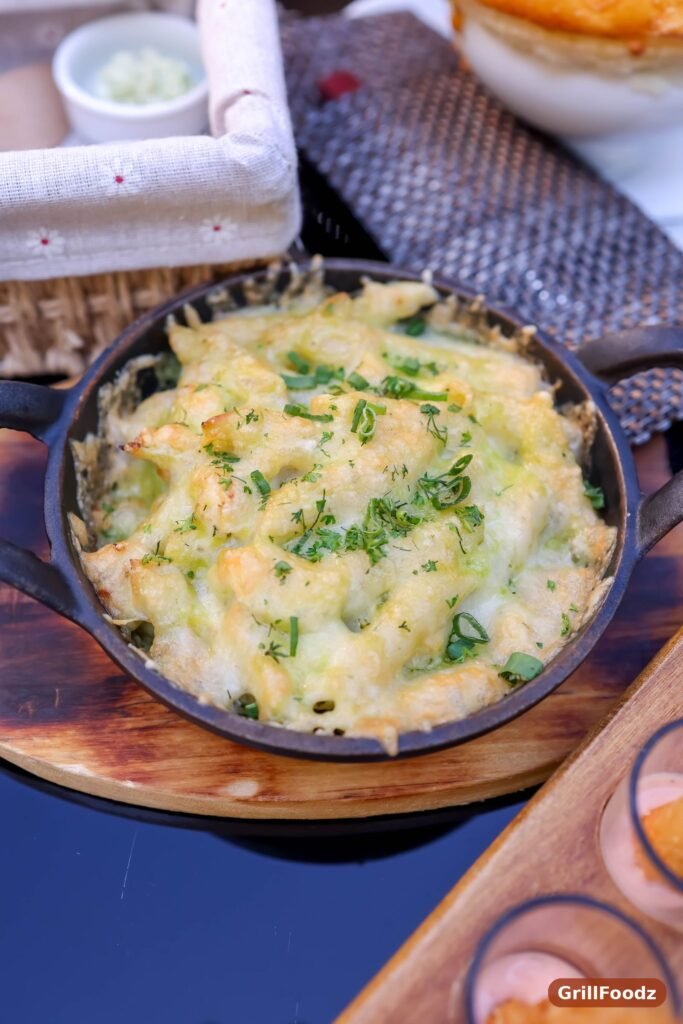
The simplest way to serve this mac and cheese is straight from the skillet in the middle of the table, with a big spoon and a stack of bowls, and let everyone help themselves. It is a family-style dish at heart, and it tastes best when it is casual. A crisp green salad with a sharp vinaigrette is the perfect partner, because the acidity cuts through the richness of the cheese sauce. Coleslaw works the same way, and it leans into the whole barbecue theme. Steamed broccoli or green beans add colour and a bit of freshness to the plate, and they are easy to cook while the mac and cheese simmers.
If you are serving this at a cookout or a potluck, it works brilliantly as a side dish too. Make a double batch in a big cast iron skillet, keep it warm on the grill over indirect heat, and let people spoon it up next to burgers, ribs, or grilled chicken. It is one of those dishes that disappears fast at a gathering, so do not be surprised if people ask you for the recipe. For a heartier meal, serve it with a side of crispy grilled potato wedges and some pickles on the side — the salty, tangy crunch of the pickles is a great contrast to the creamy pasta.
For a fun weeknight twist, I sometimes serve this in individual bowls topped with extra barbecue sauce, a sprinkle of crispy bacon bits, and a few pickled jalapeños. It feels like a loaded mac and cheese from a barbecue restaurant, but it costs a fraction of the price and you made it in one pan. And if you have kids at the table, let them pick their own toppings — a little bowl of spring onions, some extra cheese, and a bottle of barbecue sauce on the table turns dinner into something they actually look forward to.
Storage and Reheating
Leftover BBQ chicken mac and cheese keeps really well, which is one of the reasons I often make a double batch on purpose. Let it cool completely, then store it in an airtight container in the fridge for up to three days. The sauce will thicken as it sits, which is completely normal — it loosens right back up when you reheat it. Keep any extra barbecue sauce in a separate container so you can add a fresh drizzle when you serve it again.
To reheat, the stove is your best friend. Tip the leftovers into a saucepan or skillet, add a splash of milk or chicken stock, and warm it gently over medium-low heat, stirring often, until it is heated through and creamy again. The extra liquid is important, because without it the sauce stays thick and clumpy. The microwave works in a pinch — heat it in short bursts of one minute, stirring in between, and add a splash of milk before you start. Just be careful not to overheat it, because the cheese sauce can split if it gets too hot.
For longer storage, this dish freezes reasonably well, though the sauce will never be quite as silky after thawing. Portion it into freezer-safe containers, label them with the date, and freeze for up to two months. Thaw overnight in the fridge, then reheat gently on the stove with a good splash of milk, stirring well as it warms. It will not be quite as perfect as the day you made it, but it is still a very good dinner for a night when you do not feel like cooking at all.
Frequently Asked Questions
Can I use leftover or rotisserie chicken for this recipe?
Yes, absolutely, and it is one of the easiest shortcuts for this dish. If you are using cooked chicken, skip the browning step entirely and stir the chicken in at the very end, along with the cheese. It only needs a couple of minutes in the hot sauce to warm through. Leftover grilled chicken, rotisserie chicken, or even shredded chicken from the freezer all work well. Just make sure the chicken is heated through properly before serving, and you are good to go.
What is the best barbecue sauce to use?
A smoky, slightly sweet barbecue sauce works best here, because it balances the richness of the cheese without overpowering it. Avoid anything too sugary, because the sauce will get even sweeter as it simmers and reduces. If your sauce is very sweet, balance it with a squeeze of lemon juice or a splash of apple cider vinegar stirred in at the end. A spicy barbecue sauce is also great if you like heat. Honestly, the best sauce is the one you already like — use your favourite bottle and the dish will taste like you.
Can I make this without milk?
You can, though the sauce will be a little less creamy. You can swap the milk for more chicken stock, or use evaporated milk, which actually gives a lovely rich result. If you use oat milk or another plant-based milk, pick an unsweetened one so it does not add sweetness to the sauce. The cheese does most of the work in terms of flavour and texture, so the dish will still come together well. Just keep the heat low when you add the cheese so the sauce stays smooth.
How do I stop the cheese sauce from going grainy?
The two big causes of grainy cheese sauce are heat that is too high and pre-shredded cheese. Always take the pan off the heat before adding the cheese, and add it a handful at a time, stirring until each handful melts before adding the next. Grate your own cheese from a block, because the anti-caking coating on pre-shredded cheese is the main culprit. If the sauce does go grainy, a splash of warm milk and a good vigorous stir can sometimes bring it back.
Can I make this ahead of time?
You can assemble the whole dish, let it cool, and keep it in the fridge for up to a day before reheating. It is actually a good make-ahead dinner for a busy night — just reheat it gently on the stove with a splash of milk. I would not recommend making it more than a day ahead, because the pasta keeps soaking up the sauce and can go soft. If you do make it ahead, undercook the pasta by a minute or two so it holds up better when you reheat it.
What can I serve with BBQ chicken mac and cheese?
A crisp salad or coleslaw is the classic pairing, because something fresh and tangy balances the rich, creamy pasta. Steamed green beans, broccoli, or roasted vegetables all work well too. If you are feeding a hungry crowd, add some crusty bread for mopping up the sauce, and a bowl of pickles on the table for a salty crunch. It is a filling dish on its own, so you do not need much alongside it — one simple side is plenty.